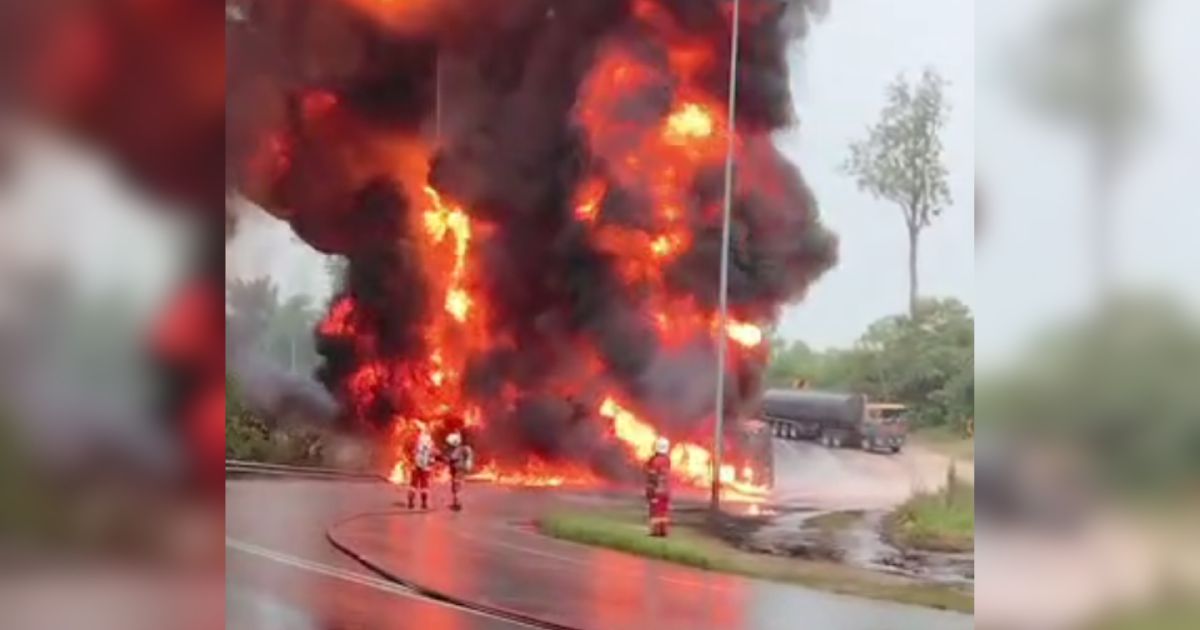
A fuel tanker driver has been placed in police custody for four days as authorities conduct a thorough investigation into a devastating traffic collision that claimed two lives on a major route in Pahang's Temerloh district. The incident, which unfolded at Km9 of Jalan Temerloh-Triang near Kampung Lebak, resulted in the deaths of a mother and her son, leaving investigators working to establish the exact sequence of events that led to the tragedy.
The remand order, granted by a magistrate in Temerloh, provides investigators with a crucial window to interview the driver, examine physical evidence, and reconstruct the circumstances surrounding the crash. During this four-day period, police will focus on determining whether mechanical failure, human error, or environmental factors contributed to the collision. The driver's cooperation during questioning will be essential to understanding how the heavy vehicle came to collide with the vehicle carrying the deceased mother and son.
Fuel tanker operations along major highways connecting Pahang's industrial and agricultural regions represent a significant logistical component of Malaysia's supply chains. The Jalan Temerloh-Triang corridor serves as a vital commercial route linking production facilities with distribution networks across the peninsula. Incidents involving commercial vehicles on this stretch underscore the critical importance of stringent safety protocols and rigorous driver training standards in the transportation sector.
Fatalities involving commercial vehicles typically trigger detailed forensic investigations that examine multiple variables including vehicle maintenance records, driver fatigue assessments, road conditions at the time of impact, and weather factors. Authorities will likely reconstruct the accident scene, analyse skid marks and debris distribution, and review any available dashcam footage or witness statements from other road users present at the time. The driver's medical history, whether he had adequate rest periods, and compliance with hours-of-service regulations will form part of the comprehensive inquiry.
The loss of a mother and child in a single incident carries profound implications for road safety awareness among Malaysian families. Such tragedies often prompt broader public discourse around the dangers posed by heavy vehicles on shared road networks, particularly at locations where commercial traffic intersects with regular commuter and family travel. The Temerloh-Triang road experiences consistent usage from both private motorists and commercial operators transporting goods across regional distribution networks.
Police standard operating procedures in fatal vehicle collision cases require meticulous documentation and coordination between traffic investigation units, crime scene analysts, and medical examiners. The four-day remand allows investigators to pursue multiple investigative threads simultaneously, including interviews with any available witnesses, examination of the tanker's mechanical condition, and analysis of whether the driver held appropriate commercial licences and certifications. Speed, visibility conditions, and road maintenance will also factor into the inquiry.
Criminal negligence charges, if warranted following the investigation, carry serious penalties under Malaysian law. The outcome of this case may influence future regulatory discussions regarding heavy vehicle operations in populated areas and during peak traffic periods. Transporters and logistics companies across Malaysia will monitor developments closely, as findings may inform industry best practices and insurance protocols for fuel tanker operations.
The emotional toll on communities affected by such incidents extends beyond immediate family members to include first responders, medical personnel, and witnesses who assisted at the scene. Temerloh residents familiar with this particular stretch of road will likely experience heightened anxiety about safety conditions until investigators publish their findings and authorities implement any recommended remedial measures or enhanced enforcement protocols.
Family members of the deceased await clarity on how the collision occurred and whether any systemic failures in vehicle maintenance, regulatory oversight, or driver conduct contributed to the tragedy. The investigation will ultimately determine whether this represents an isolated incident or reflects broader vulnerabilities in commercial vehicle safety management that warrant intervention from the Ministry of Transport and other relevant authorities.
As the four-day remand period unfolds, the police investigation will determine whether sufficient grounds exist to pursue formal charges. The case exemplifies the ongoing challenge Malaysian authorities face in balancing the necessity of robust commercial transport networks with the imperative to protect public safety on shared road systems. Outcomes from this inquiry may reshape policy discussions around commercial vehicle regulations, driver assessment standards, and road safety measures in high-traffic corridors across Peninsular Malaysia.
The incident serves as a grim reminder of road safety vulnerabilities, particularly where heavy commercial traffic operates in proximity to residential areas and regular commuter routes. Investigators' findings, once completed, will provide essential insights into prevention strategies that could protect families from similar tragedies in future.

