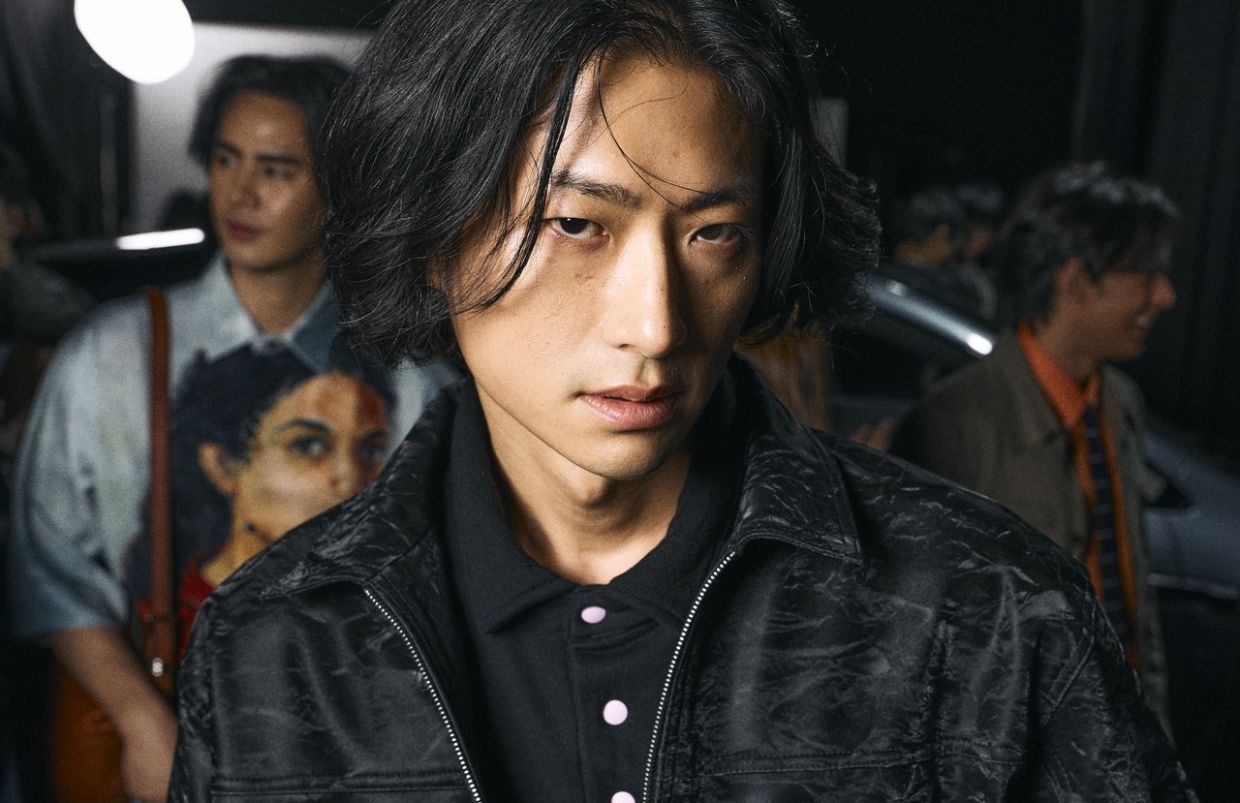
Heo Yong-jin spent ten years practising litigation support at Kim & Chang, one of South Korea's most prestigious law firms, before walking away from the security of a stable career to chase something entirely unexpected. At 40 years old, he traded his legal briefs for a modelling portfolio and discovered a passion that had never crossed his mind during those steady years in Seoul. His story resonates beyond the glamour of fashion shows because it challenges conventional wisdom about age, career trajectories, and the possibility of radical reinvention in midlife.
The catalyst for change came unexpectedly when Heo relocated to Spain with his wife in early 2023, ostensibly to pursue studies in sports management and the agency business. The shift in environment and daily routine proved transformative. Surrounded by classmates passionate about fitness, he gradually integrated into their world, joining them for football and padel, a racket sport that has exploded in popularity across Europe. As his activity level increased, the physical transformation followed naturally. His wife, noticing the changes taking shape, casually suggested he consider modelling as a potential pursuit. For many, such a suggestion would be dismissed as fanciful. For Heo, at 188 centimeters tall and with nothing to lose on a temporary visa, it became the spark that would redirect his entire life.
The decision to pursue modelling full-time came with calculated risk. Heo had only four months remaining on his Spanish visa when he committed to building a professional portfolio from scratch. Rather than waiting for established agencies to notice him, he took an entrepreneurial approach, hiring photographers independently and reaching out directly to prospective clients. He quickly identified a market advantage: Asian models commanded genuine demand across European markets, making his profile potentially valuable despite his lack of industry experience. This analytical mindset, honed through years of legal practice, served him well in understanding market dynamics and positioning himself strategically within an unfamiliar industry.
Returning to South Korea after his initial success abroad, Heo discovered that domestic agencies held little enthusiasm for a debut model approaching 40 with minimal professional credentials. Rejection based on age became a recurring theme, forcing him to expand his geographical scope beyond his home country. Rather than accept the gatekeeping of Korean agencies, he adopted a direct outreach strategy, methodically contacting agencies throughout China and Southeast Asia via email, submitting portfolios through their websites and persistence. Thailand ultimately became his breakthrough market when a local agency responded positively to his inquiry. This geographic diversification proved crucial, positioning him to access opportunities that would have remained closed had he remained dependent on Seoul's fashion infrastructure.
His career gained substantial momentum when he walked in an exclusive Louis Vuitton trunk show in Bangkok during July, presenting a capsule collection created by menswear creative director Pharrell Williams in collaboration with Japanese designer Nigo. The event represented the pinnacle of modelling achievement: an invitation-only showcase for one of the world's most prestigious luxury houses. For someone who had entered the industry merely a year earlier, the opportunity seemed almost improbable. When reflecting on the moment afterwards, Heo expressed genuine amazement at how quickly his unlikely trajectory had advanced, capturing a sentiment that would resonate with his growing online audience.
The visibility of his journey extended far beyond fashion industry circles. An Instagram reel chronicling his unconventional path accumulated four million views, transforming him from a niche figure into an unlikely influencer. The broader appeal stems partly from what his story represents: permission to reimagine oneself outside conventional age-based limitations. For viewers across Asia grappling with questions about career security versus personal fulfillment, his narrative offered an alternative perspective. Yet Heo himself resisted the temptation to frame his experience as a completed success story, maintaining realistic skepticism about his position within a highly competitive industry where youth and established portfolios remain significant advantages.
Campaign work gradually emerged as modelling transitioned from a novel experiment to legitimate professional activity. Heo appeared in advertisements for international brands, including a sunglasses commercial and a European insurance advertisement in which he portrayed a Malaysian father. These early assignments, while modest compared to haute couture presentations, validated his marketability and provided the foundation for building a credible professional resume. Domestic interest eventually awakened, with South Korean brands beginning to initiate inquiries for fashion lookbooks and campaign collaborations. This shift indicated that industry recognition was gradually expanding beyond the Southeast Asian agencies that had first championed him.
Beyond the pragmatic dimensions of his career transition, Heo articulated deeper psychological and professional revelations that motivated his commitment. The stability of his previous legal career, while financially secure, had obscured fundamental questions about his own desires and suitable working conditions. Legal practice provided competence and professional standing but never the genuine fulfillment he eventually discovered through modelling. He described projecting confidence in his previous role while internally doubting his alignment with that path. Conversely, modelling granted him authentic confidence rooted in tangible achievement and the freedom to express himself creatively. This distinction between performed competence and genuine engagement captured something essential about why middle-aged professionals sometimes abandon established careers for uncertain alternatives.
The psychological appeal of his transition extended to his relationship with professional uncertainty itself. Financial instability concerning him to some degree, yet he had come to understand that increased material comfort had not previously corresponded with greater happiness. The unpredictability of modelling, with its inconsistent work flow and variable income, paradoxically delivered excitement and purpose that stable, remunerative legal practice had not provided. This reframing of uncertainty as opportunity rather than threat distinguished his approach from conventional career stability arguments. For Malaysian and Southeast Asian audiences navigating their own professional crossroads, particularly those questioning whether accumulated achievements truly aligned with personal aspirations, his perspective offered a provocative alternative to the assumption that security and satisfaction necessarily move together.
Looking forward, Heo has established ambitious targets that acknowledge the steep challenges confronting him. He aims to secure representation through established agencies and audition for presentations at Milan and Paris fashion weeks scheduled for late September through early October, where major fashion houses including Prada, Bottega Veneta, Saint Laurent, and Tom Ford would unveil their collections. These goals reveal that despite his unconventional entry into modelling, he harbors serious ambitions within the industry rather than treating it as a temporary diversion. However, realistic assessment tempers optimism. As a relatively unknown 40-year-old attempting to penetrate the highest tiers of international fashion, he faces structural disadvantages against younger, more established models with years of runway and editorial experience.
Heo's continued appeal to audiences throughout Asia stems partly from his articulate reflection on what modelling has revealed about himself and work more broadly. He emphasizes that his success involved no extraordinary talent or privileged access but rather fundamental life decisions: losing weight and pursuing an interest with genuine commitment. This accessible framing transforms his experience from an aspirational fantasy into a potentially replicable choice. His articulation that modelling allows him to become the main character, express himself freely, and materialize brand visions captures the emotional satisfaction that had eluded him in legal practice. Whether he ultimately establishes a sustainable modelling career or returns to different professional terrain, his journey has already demonstrated that reimagining one's working life at 40 remains possible, and that doing so might reveal truths about oneself that decades of conventional achievement concealed.

