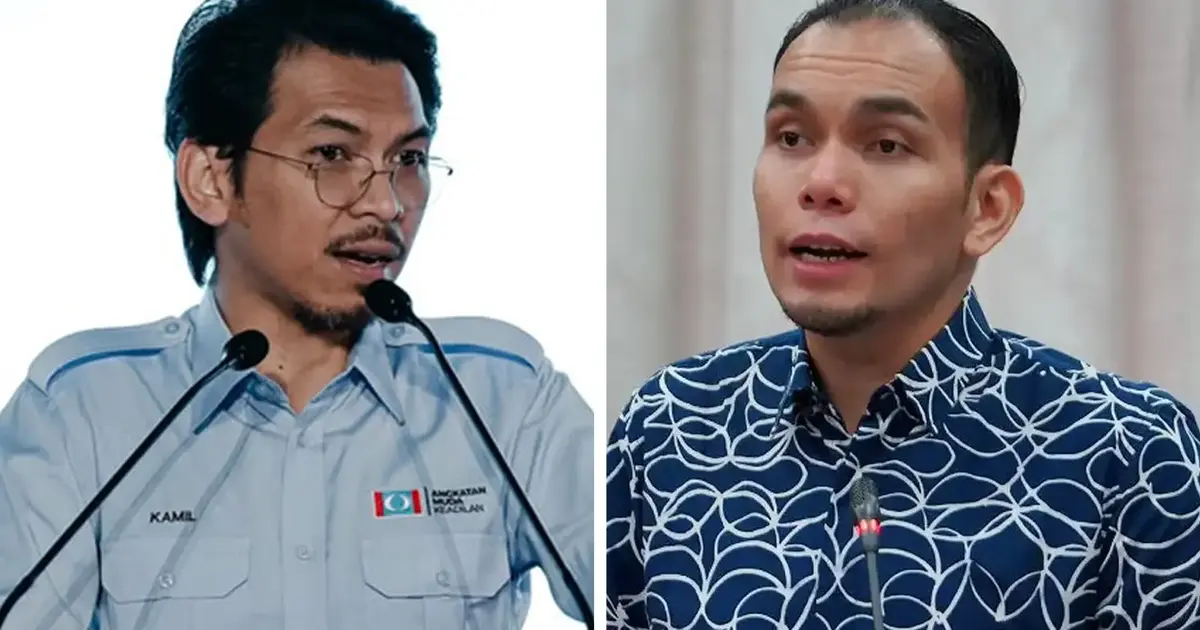
Coalition tensions have intensified over the proposal for a fresh Royal Commission of Inquiry into Tabung Haji, with leaders from Perikatan Nasional and Umno arguing that deeper scrutiny of the Muslim pilgrims' fund remains essential to restore public confidence in its financial management and governance structures. The call has triggered a forceful response from opposition lawmakers in PKR and DAP, who view the initiative with considerable skepticism given the organisation's chequered history of financial mismanagement and the numerous investigations already conducted.
The debate surrounding Tabung Haji's governance has become increasingly contentious within Malaysia's political landscape, reflecting broader concerns about accountability and institutional reform. Those advocating for a new RCI contend that previous inquiries have failed to adequately address systemic weaknesses in how the fund operates and manages the substantial assets entrusted to it by millions of Muslim savers across Malaysia. Their position suggests that only a comprehensive, independent examination with adequate powers and resources can uncover the full extent of past failings and establish frameworks to prevent future misconduct.
Tabung Haji has endured considerable reputational damage stemming from a series of financial scandals and poor investment decisions that depleted the fund's value and compromised its ability to serve pilgrims effectively. The organisation's track record of losses on questionable investments, combined with allegations of mismanagement at senior levels, has eroded public trust substantially. These failures have left many Malaysian Muslims worried about the security of their savings and the competence of those overseeing one of the nation's most significant financial institutions.
However, PKR and DAP argue that calling for yet another RCI represents a form of political theatre that diverts attention from the more pressing need for decisive action and concrete reforms. Their criticism focuses on the apparent reluctance of previous administrations to fully implement recommendations from past inquiries, suggesting that additional investigations without corresponding enforcement measures would merely perpetuate a cycle of inquiry without accountability. The opposition parties maintain that what Tabung Haji requires is not further examination but rather swift implementation of governance improvements and stronger oversight mechanisms.
The political positioning on this issue reveals deeper fractures within Malaysia's ruling coalitions and opposition blocs. PN and Umno's advocacy for a new RCI may reflect their desire to demonstrate proactive governance or to distance themselves from past administrations implicated in the fund's difficulties. Simultaneously, the opposition's resistance could stem from concerns about the direction such an inquiry might take or fears that it could become a vehicle for political scoring rather than genuine institutional reform. The partisan nature of the debate suggests that Tabung Haji's revival has become entangled with electoral calculations and interparty rivalry.
The implications for ordinary Malaysians who have contributed to Tabung Haji for decades are substantial. Millions depend on this fund for the financial support necessary to undertake the pilgrimage to Mecca, one of Islam's five pillars. The erosion of the fund's value means that individual savings have diminished, and the organisation's ability to provide the intended support has been correspondingly weakened. This directly affects one of Malaysia's most significant populations—those with religious and cultural aspirations to perform the Hajj—making the governance of Tabung Haji a matter of genuine public consequence rather than merely abstract administrative concern.
The institutional credibility of Tabung Haji has suffered tremendously from its financial misadventures, and restoring confidence requires more than investigative commissions. The fund requires transparent leadership, professional management structures insulated from political interference, and clear accountability for those responsible for past losses. Whether a new RCI would genuinely achieve these outcomes or simply add another layer of bureaucratic process remains deeply questionable, particularly given the mixed track record of previous inquiries in generating meaningful change.
Regional comparisons offer instructive parallels for Malaysia's predicament. Other Muslim-majority nations with pilgrimage funds have implemented various reform models, ranging from parliamentary oversight committees to independent audit boards with enforcement authority. Some countries have opted for partial privatisation or hybrid governance structures that combine government backing with professional management. These international experiences suggest that multiple pathways exist beyond conducting additional inquiries, though implementing such reforms requires political will and consensus around genuine institutional change rather than partisan advantage.
The debate over Tabung Haji's future also reflects Malaysia's broader struggle with institutional governance and reform. The nation has become accustomed to establishing commissions of inquiry for numerous policy challenges, yet follow-through on recommendations remains inconsistent. This pattern has generated public cynicism about the utility of such mechanisms, contributing to the opposition's skepticism about commissioning yet another RCI without guarantees that its findings would drive substantive action. Breaking this cycle would require cross-party commitment to implementation, a difficult proposition in Malaysia's polarised political environment.
Moving forward, stakeholders must determine whether renewed investigation or accelerated reform constitutes the more prudent path. The needs of Tabung Haji's contributors suggest that both approaches possess merit, but sequencing matters enormously. Implementing known reforms while simultaneously conducting inquiry creates potential for redundancy and delay, whereas investigations without binding implementation mechanisms merely postpone necessary action. The resolution of this political disagreement will significantly influence whether Tabung Haji can rehabilitate its finances and restore the confidence of the millions of Malaysians who have invested in it as a means to fulfilling religious obligations.

