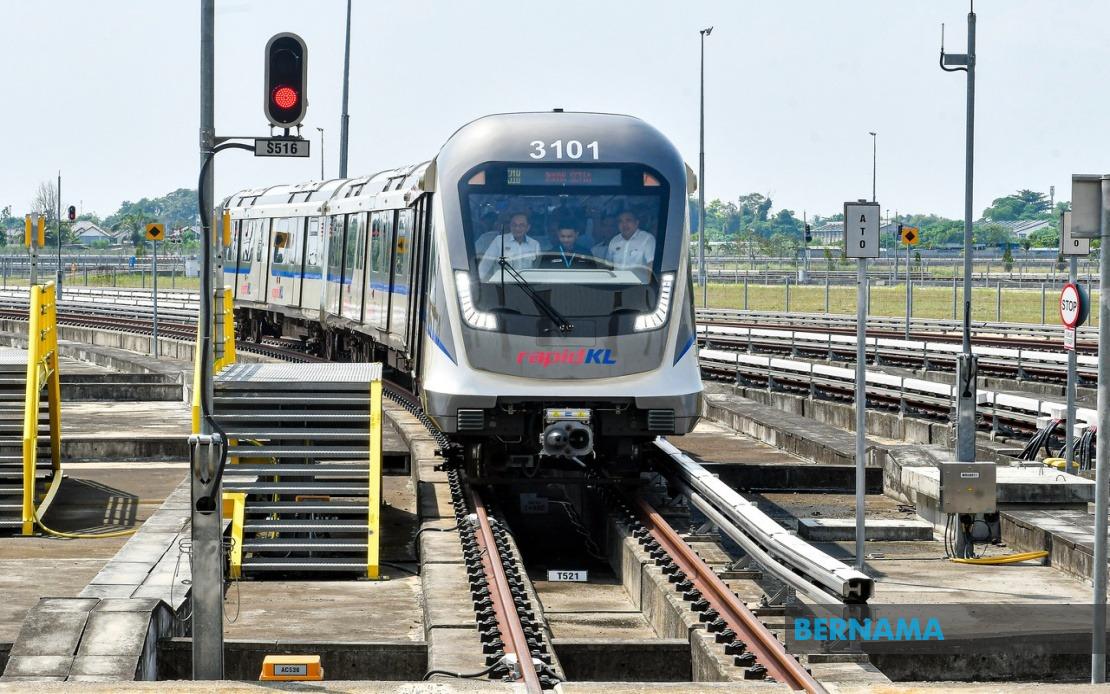
Prime Minister Datuk Seri Anwar Ibrahim has announced a significant initiative to boost adoption of the newly operational Light Rail Transit 3 Shah Alam Line, offering all passengers free travel for an entire month beginning June 29 through July 31. The complementary fare programme extends to Prasarana Malaysia Berhad feeder bus services that connect the Shah Alam corridor, creating an integrated free public transport experience across the expanding Klang Valley network.
The announcement has resonated strongly among the student community, particularly those attending Universiti Teknologi MARA, whose main campus sits directly along the new line with a dedicated UiTM station. Students have historically borne substantial daily commuting expenses, relying on combinations of e-hailing services, parental financial support, and personal vehicles to navigate between residential areas and educational institutions. The free fare initiative addresses a persistent pain point for the approximately 42,000 UiTM enrolled students, of whom only around 13,500 reside in on-campus accommodation while the remainder must travel from scattered locations across the metropolitan area.
Arissa Ahmad Khairul, a 22-year-old Bachelor of Journalism student at UiTM, articulated the practical benefits from a young commuter's perspective. Her journey from Kepong to the Shah Alam campus previously required either expensive e-hailing bookings or reliance on family transportation arrangements. The new LRT3 connection via Bandar Utama station represents a dramatically more efficient routing, reducing both journey duration and financial burden. She highlighted that superior train facilities compared to alternatives would compound the savings for cash-strapped students attempting to manage tight budgets while completing their degrees.
The strategic value of the free trial period extends beyond immediate cost relief. Media personnel Yamin Ahmad, aged 25, characterised the initiative as a proactive mechanism for familiarising the broader public with the line's capabilities without psychological resistance rooted in fare concerns. This framing recognises a fundamental challenge in public transport adoption: potential riders often harbour preconceptions about convenience, safety, or journey times that only direct personal experience can overcome. By eliminating financial barriers during the trial month, authorities create conditions where genuine user preferences and satisfaction levels emerge organically rather than being suppressed by cost considerations.
The free fare initiative simultaneously addresses broader sustainability and urban planning objectives relevant across Southeast Asia. As congestion and air quality concerns intensify in Klang Valley and neighbouring regions, authorities seek to shift commuter behaviour away from private vehicle dependence. Students and young professionals represent particularly valuable demographic targets for this behavioural reorientation, as commuting habits established early in careers often persist throughout working lifespans. A student who regularly experiences reliable, comfortable rail transit during university years maintains significantly higher likelihood of continued patronage in subsequent employment phases.
Modelling such initiatives reveals their compound economic benefits. When commuters transition from e-hailing services costing RM 8 to RM 15 per journey to rail systems, substantial household disposable income becomes redirectable to other consumption sectors, stimulating broader economic activity. For students specifically, reduced transport outlays translate into improved academic focus, reduced part-time employment pressure, and enhanced financial capacity for educational materials and living necessities.
Mohamad Adib Hazim Mohamad Razali, representing UiTM's Students' Representative Council, emphasised that the Shah Alam Line resolves longstanding accessibility challenges for the vast majority of off-campus students residing across Kuala Lumpur and Subang Jaya. Previously fragmented and expensive transport options forced students toward private vehicle ownership despite its considerable drawbacks, or perpetual reliance on informal sharing arrangements. The LRT3 station infrastructure establishes formal, reliable connectivity that fundamentally restructures feasible residential choices and commuting patterns for this substantial student population.
From a transport policy perspective, the one-month trial represents an important data-gathering exercise for Prasarana and relevant government agencies. Ridership volumes, peak-hour patterns, passenger satisfaction metrics, and integration patterns with feeder bus services will inform operational adjustments, future pricing structures, and investment decisions for subsequent transit expansions. Malaysian authorities recognise that premature fare implementation without adequate public familiarisation risks suppressing early-adopter momentum and establishing negative perceptions that prove difficult to reverse.
The initiative also signals growing recognition of public transport's role in inclusive urban development. By deliberatively targeting free access toward students and budget-conscious commuters, authorities acknowledge that traditional fare structures, while financially necessary long-term, create genuine barriers for lower-income populations. Strategic fare subsidisation during launch periods represents a cost-effective investment in ridership foundation-building compared to expensive marketing campaigns or infrastructure retrofitting necessitated by inadequate initial adoption.
Regional implications extend beyond Malaysia's borders, as peer nations across Southeast Asia monitoring transit expansion strategies observe this approach. Thailand, Indonesia, Vietnam, and Philippines urban centres grapple with analogous congestion and affordability challenges. Malaysia's experiment with extended free trial periods offers replicable methodology for demonstrating public transport value propositions within resource-constrained environments, potentially influencing regional approach to rapid transit system commercialisation and adoption strategies.

