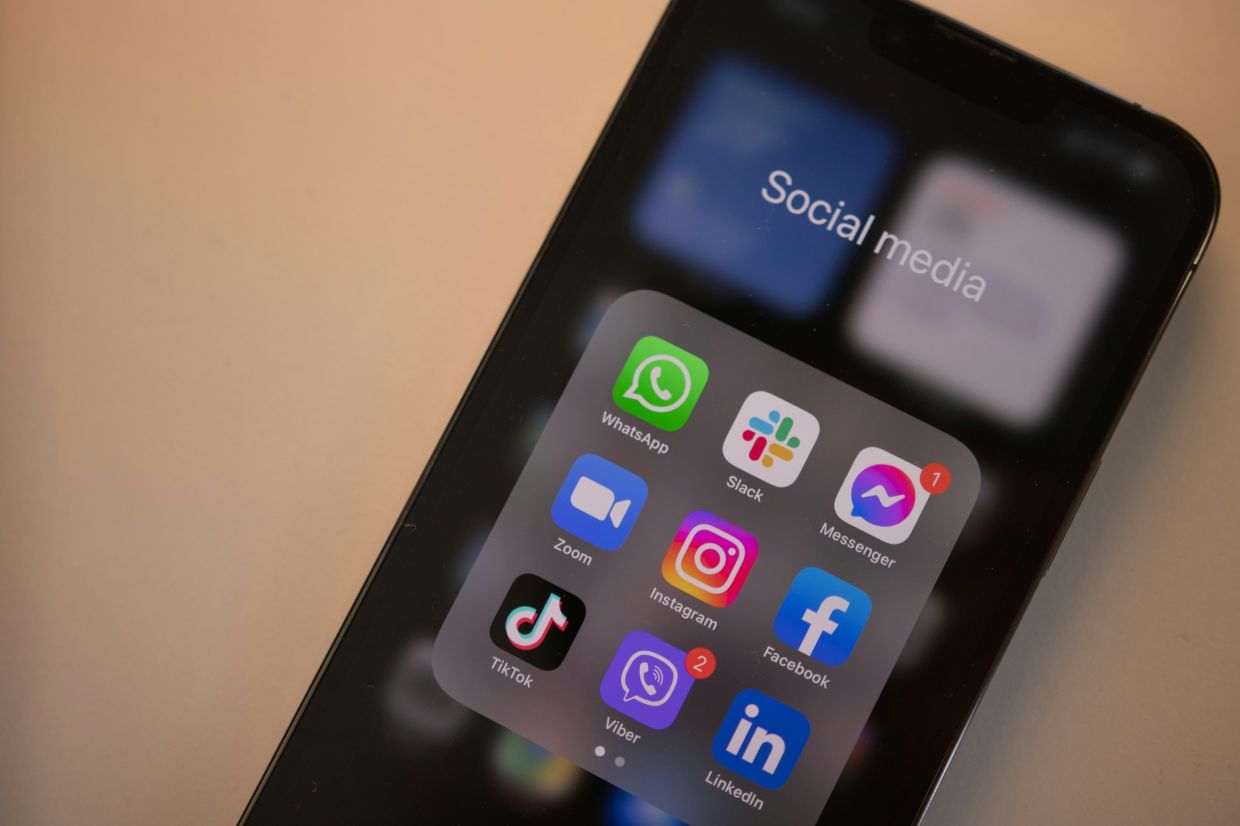
France's Constitutional Council has invalidated a landmark social media prohibition targeting children under 15, dealing a significant setback to one of Emmanuel Macron's final legislative initiatives. The court determined that the ban's provisions breached constitutional protections for freedom of expression and communication, while failing to establish adequate legal safeguards for those fundamental rights. The decision forces the French government to return to the drawing board just weeks after Parliament overwhelmingly approved what would have made France the European Union's first country to impose such sweeping digital restrictions on minors.
The rejected legislation represented an ambitious attempt to address escalating global concerns about social media's detrimental impact on child development and mental health. Both the National Assembly and Senate had backed the measure, which also encompassed restrictions on mobile phone use within secondary schools. The bill embodied Macron's personal commitment to tackling what he framed as a public health crisis among younger generations, positioning France as a pioneer in digital child protection across the EU bloc. Officials had hoped to implement the restrictions from September onwards, coinciding with the academic year's start, yet the mandatory constitutional review process exposed fundamental legal flaws.
The timing of the court's decision carries particular weight within French politics. The legislation was among the final major policy achievements Macron intended to secure before his presidency concludes next year, reflecting his broader agenda around youth welfare and digital governance. The Constitutional Council's intervention underscores the delicate balance French lawmakers must maintain between protecting minors and preserving the liberal democratic principles embedded in the French Constitution. Rather than accept defeat, Macron has signalled determination to revive the initiative through revised legal mechanisms that can withstand constitutional scrutiny.
In response to the ruling, Macron publicly committed to pushing forward with social media restrictions for children, tasking Prime Minister Sébastien Lecornu with developing a constitutionally sound proposal. The revised framework must account for the Constitutional Council's concerns whilst navigating the complex European legal landscape governing digital services. Lecornu faces pressure to work at pace, as Macron has set a spring deadline for enacting updated legislation. This accelerated timeline suggests the government views child protection in digital spaces as sufficiently urgent to warrant prioritising the matter during its closing months in office.
The court's emphasis on insufficient legal guarantees reveals a critical weakness in the original legislative approach. French constitutional doctrine requires that any restriction on fundamental rights must be accompanied by clear procedural safeguards and narrowly tailored mechanisms. The blanket ban evidently failed this threshold, suggesting that a more nuanced framework—perhaps one including exceptions, graduated restrictions, or proportionate enforcement mechanisms—would stand better chances of constitutional approval. Such refinements could potentially address the court's concerns whilst maintaining the substance of child protection objectives.
For Malaysia and other Southeast Asian nations monitoring global developments in youth digital protection, France's experience offers instructive lessons. The region's regulators and policymakers frequently grapple with comparable questions regarding appropriate regulatory responses to social media's influence on young people. Malaysia's own consideration of digital safeguards for minors must account for similar constitutional and legal complexities. The French case demonstrates that even wealthy democracies with sophisticated legal institutions face genuine difficulties crafting enforceable youth protection measures without triggering freedom of expression concerns.
Europe's regulatory environment adds another layer of complexity to France's revised approach. The Digital Services Act and broader EU frameworks governing online platforms create legal constraints that any French measure must accommodate. European jurisprudence traditionally affords robust protection to freedom of expression, even when applied to commercial digital platforms. France's government must therefore craft legislation that satisfies both domestic constitutional requirements and EU-level legal standards—a considerable challenge that may necessitate involving European regulatory bodies in the legislative design process.
The broader global context surrounding youth and social media provides crucial backdrop to France's legislative struggle. Countries ranging from Australia to the United States have pursued various regulatory strategies, from age verification requirements to platform-specific restrictions. No consensus has emerged regarding optimal approaches, and jurisdictions continue experimenting with different models. France's initial ban represented a particularly aggressive intervention within this landscape. The Constitutional Council's rejection suggests that even aggressive democracies face legal constraints on how directly they can restrict platform access for minors.
The political significance of this setback extends beyond digital policy. Macron's diminishing influence during his final year in office makes legislative achievements increasingly difficult to secure. The social media ban occupied prominent space in his final-term policy agenda, positioned as a signature accomplishment on child welfare. The Constitutional Council's intervention forces him to demonstrate continued political capital and legislative acumen despite approaching the end of his presidency. Successfully revising and re-enacting social media restrictions would provide a meaningful legacy achievement; failure would underscore his institutional limitations during the presidency's concluding phase.
Looking ahead, Lecornu's task involves crafting provisions that target specific harms from social media exposure whilst incorporating sufficient procedural protections and exceptions to satisfy constitutional concerns. This might involve provisions differentiating between various platform types, graduated age thresholds, or parental consent mechanisms rather than absolute prohibitions. The revised legislation might also place greater emphasis on platform responsibility for age verification rather than imposing direct legal bans on minors themselves. Such approaches could potentially address the Constitutional Council's concerns whilst achieving child protection objectives.
The episode ultimately reflects broader tensions in contemporary democracies between protecting vulnerable populations and maintaining foundational civil liberties. France's constitutional framework emphasises freedom of expression as a cornerstone right, limiting government capacity to impose comprehensive restrictions even when addressing compelling public interests like child welfare. The revised legislation, if successfully enacted, will likely feature more nuanced provisions that balance these competing values—a more complex but constitutionally defensible approach than the original blanket ban. For policymakers across Asia and beyond, the French experience reinforces the importance of building constitutional foundations into youth protection measures from their inception rather than discovering legal vulnerabilities through post-enactment judicial review.

