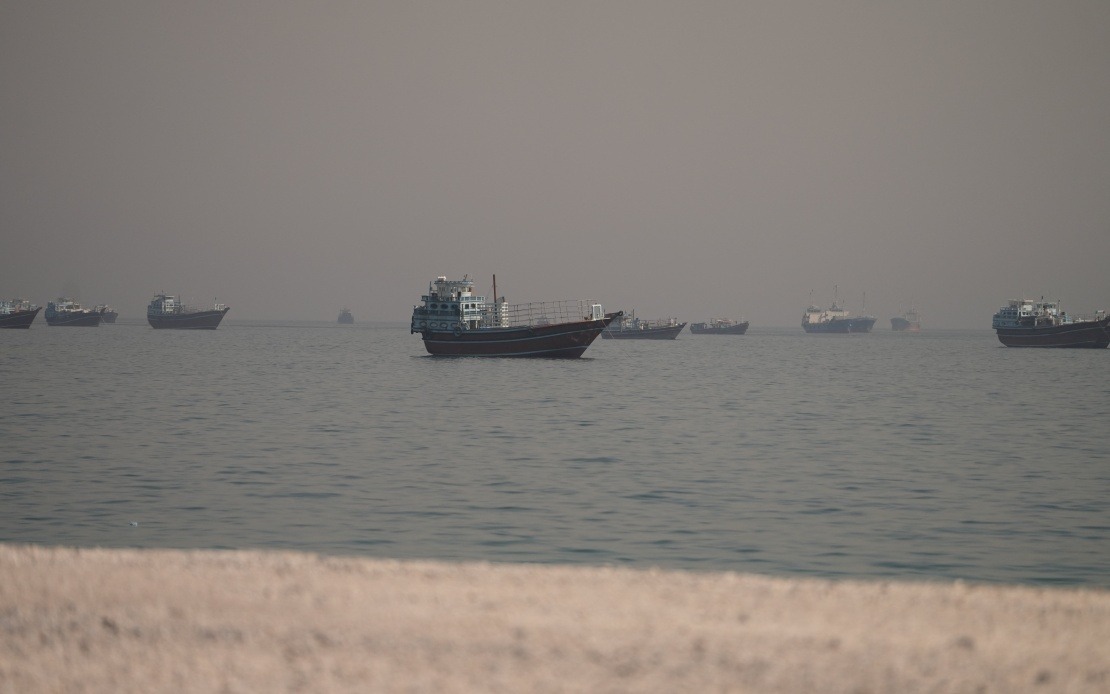
France is actively exploring Syria's potential as an alternative energy corridor to circumvent supply disruptions in the Strait of Hormuz, a critical chokepoint for global oil shipments. Foreign Minister Jean-Noël Barrot disclosed this strategic consideration during a Thursday interview with TF1, underscoring Paris's growing concern about the fragility of conventional energy supply routes in an increasingly volatile geopolitical environment.
The shift in French policy thinking reflects deepening anxieties about the stability of the world's most vital maritime passage for oil transport. Barrot emphasised that the combination of US-Iran tensions and recent blockages at the strait have made it imperative for Western nations to develop diversified energy corridors capable of delivering reliable supplies to global markets without relying on a single, vulnerable chokepoint. This strategic reassessment comes at a moment when energy security has become tightly intertwined with broader considerations of geopolitical stability.
Syria's potential role in this reconfigured energy landscape stems from its geographic position and recent political transformations. The country, which underwent a significant leadership transition approximately eighteen months ago with the overthrow of Bashar al-Assad's regime, is currently experiencing a phase of national reunification and institutional strengthening. These developments have prompted French analysts to view Syria as a potential emerging regional hub with the capacity to facilitate alternative supply chains that could serve European and global energy needs while reducing exposure to Hormuz-related disruptions.
Barrot's remarks gain particular significance given his accompaniment of President Emmanuel Macron during a diplomatic visit to Damascus on Tuesday. This high-level engagement signals France's commitment to deepening its relationship with Syria's transitional government and positions Paris as a key international player in the country's post-conflict reconstruction and reintegration into regional affairs. The visit itself represents a considerable diplomatic investment, suggesting that French leadership views engagement with Damascus as strategically important beyond merely energy considerations.
The French government's articulated position encompasses a broader commitment to support Syria's ongoing transformation. Barrot reiterated that France stands solidly with the Syrian people and expressed Paris's determination to expand cooperation across multiple dimensions, encompassing not only energy infrastructure but also economic partnerships and commercial ties. This multifaceted approach suggests that France envisions Syria as a comprehensive strategic asset rather than merely a conduit for hydrocarbon transport.
The timing of France's pivot towards Syria as an alternative energy route carries implications for the broader Middle East dynamic. As Western nations grapple with energy security challenges exacerbated by regional tensions, countries positioned along potential alternative corridors gain enhanced bargaining power and opportunities for economic development. Syria's restoration to international commerce and cooperation could accelerate its economic recovery while simultaneously providing Western consumers with enhanced supply security.
For Malaysian and Southeast Asian observers, France's strategic recalibration offers important lessons about energy diversification and geopolitical risk management. The region's own dependence on the Strait of Malacca for energy supplies mirrors comparable vulnerabilities faced by European markets regarding Hormuz. Just as France seeks to reduce reliance on a single chokepoint, Southeast Asian nations might similarly benefit from exploring alternative energy corridors and developing more resilient supply chains that distribute risk across multiple routes and suppliers.
The French approach also demonstrates how post-conflict regional rehabilitation can create unexpected economic opportunities. Syria's transition from conflict to stability, though still fragile, illustrates how geopolitical shifts can generate new partnerships and commercial possibilities. For nations in the Southeast Asian region, the Syrian case provides a template for considering how neighbouring countries undergoing political transformation might represent emerging opportunities rather than continuing security threats.
Barrot's framing of Syria as a solution to energy security challenges reflects a calculated diplomatic gambit. By positioning France as a leading international actor in Syria's reintegration and reconstruction, Paris not only addresses immediate energy concerns but also enhances its regional influence and economic positioning. This approach demonstrates how energy security considerations increasingly drive diplomatic initiatives and international engagement strategies in the contemporary geopolitical environment.
The viability of Syria as an alternative energy route will ultimately depend on the country's continued political stabilisation, infrastructure development, and willingness to establish reliable commercial relationships with international energy producers and consumers. France's early diplomatic engagement suggests confidence in Syria's trajectory, though considerable challenges remain regarding security, governance capacity, and the technical development of necessary transport infrastructure.
For global energy markets, the emergence of alternative corridors could have significant long-term implications. Reduced dependence on the Strait of Hormuz might moderate some structural vulnerabilities that have historically characterised international energy trade, potentially contributing to greater price stability and supply security. However, the realisation of this potential depends heavily on sustained peace and functional governance in Syria, making continued international engagement and support essential components of any comprehensive energy security strategy.

