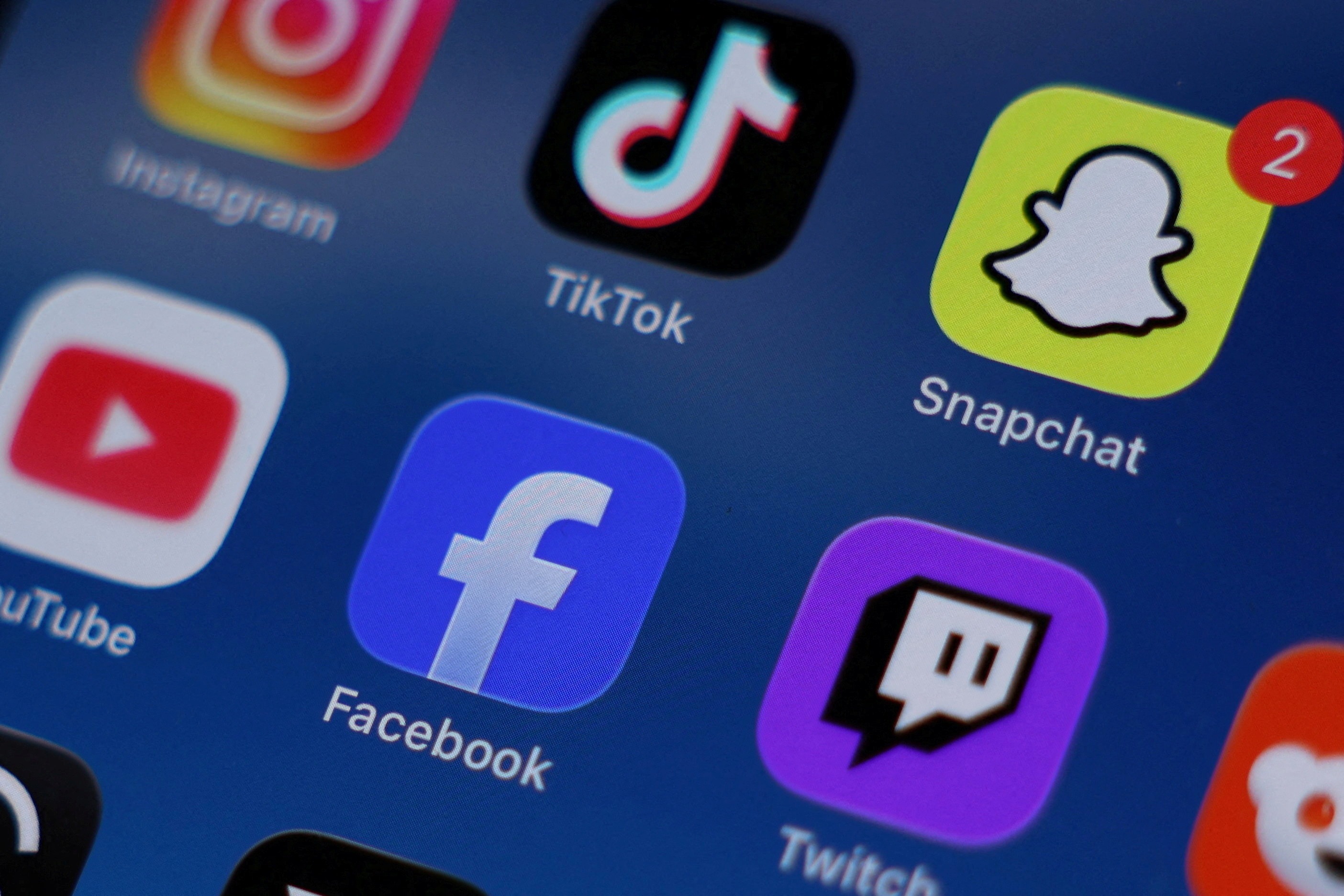
France has secured its position as a pioneer in digital child protection across the European Union by becoming the first member state to legally restrict social media access for anyone under 15 years of age. The country's parliament formally approved the landmark legislation this week, moving decisively ahead of other major European nations in an area of increasing public concern and policy debate. The legislative achievement reflects growing alarm among policymakers about the psychological and social impacts of early childhood exposure to social media platforms.
The passage through parliament came with substantial majorities from both chambers, underscoring broad political consensus on the issue. France's Senate approved the measure by a vote of 243 to 2, while the National Assembly supported it by 279 votes to 81. Such overwhelming support suggests that child protection online has transcended traditional party divisions in France, gaining backing from lawmakers across the political spectrum. The decisive margins indicate that legislators view the measure as addressing a genuine public health concern rather than a partisan issue.
Digital Affairs Minister Anne Le Henanff framed the legislation as part of a broader strategy to establish what she described as a digital age of majority. Her remarks to senators before the vote emphasised that France was taking direct action to safeguard minors in an increasingly connected world. The minister's language reflected official positioning of the law as a protective measure rooted in child welfare rather than an attempt at technological restriction or censorship. This framing has been crucial to building public and parliamentary support for what some technology advocates might view as restrictive legislation.
The implementation timeline creates a phased approach designed to manage the transition to the new regulatory environment. Starting from the beginning of the September school year, newly created social media accounts will immediately fall under the ban. However, recognising the established user base and avoiding an abrupt shock to existing teen digital behaviour, the legislation grants a grace period for accounts created before the ban's formal introduction. Those pre-existing accounts will face restrictions beginning January of the following year, allowing several months for users and platforms to adjust to the new operating parameters.
Beyond the social media restrictions, the legislation extends existing mobile phone bans into high school environments, broadening digital restrictions in educational settings. This provision reflects concerns about classroom disruption and the distraction posed by personal devices during schooling hours. The expanded phone restriction demonstrates that French legislators view this as part of a comprehensive approach to managing technology use among minors across multiple contexts, not merely targeting social platforms themselves.
The decision positions France as a regulatory leader in Europe at a time when governments across the continent grapple with mounting public concern about children's digital wellbeing. European Union member states have increasingly faced pressure from parents, educators, and health professionals to implement stronger protections. France's move now establishes a precedent that other nations may follow or use as reference point for their own policy discussions. This could create pressure on EU institutions to develop harmonised standards across member states rather than allowing divergent national approaches.
The broader context for this legislation includes mounting evidence about potential harms associated with early social media exposure. Researchers and mental health professionals have documented correlations between heavy social media use among adolescents and increased anxiety, depression, and sleep disruption. Some studies suggest that the algorithmic features designed to maximise engagement may be particularly influential on developing teenage brains. These scientific concerns have driven policy discussions across multiple democracies, though France's approach represents the most restrictive age-based measure among major European economies.
Implementation will present significant practical challenges for platforms operating in France. Social media companies must develop age verification systems that operate reliably while protecting user privacy—a notoriously difficult technical and legal problem. The platforms will need to ensure compliance across their French user base while maintaining distinct policies from their other European operations. The law may prompt technology companies to invest in verification technologies, potentially accelerating development of digital age-assurance methods that could have wider applications across regulatory jurisdictions.
For Malaysian policymakers and Southeast Asian governments watching European regulatory developments, France's approach offers both lessons and cautionary considerations. While child protection concerns are universal, the feasibility and appropriateness of age-based bans may vary significantly depending on local technological infrastructure, digital culture, and existing governance frameworks. Southeast Asian nations have diverse approaches to digital regulation, and the French model—with its hard age threshold and broad ban—represents only one possible policy pathway among several legitimate alternatives.

