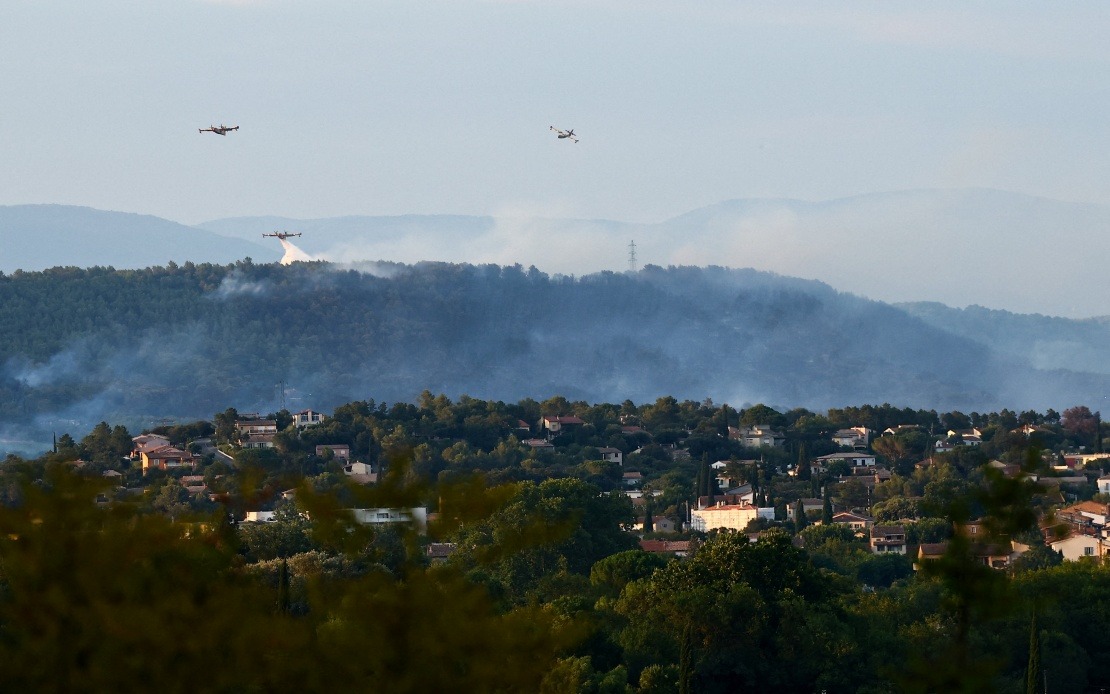
France is confronting an unprecedented wildfire crisis this year, with nearly 40,000 hectares of forest and vegetation consumed by flames since the beginning of 2026, according to French Interior Minister Laurent Nunez. The scale of destruction represents a dramatic escalation from previous years, underscoring the mounting environmental and security challenges posed by climate-driven extreme weather in Western Europe.
The minister's statement, delivered on Monday, emphasised that these figures substantially exceed the damage recorded during the corresponding period last year, with fresh fires erupting across the country with alarming frequency. The relentless outbreak of new blazes suggests that firefighting resources are being stretched to their limits as multiple simultaneous incidents demand coordination and personnel deployment across vast territories.
French President Emmanuel Macron characterised the current wildfire situation as the most severe experienced by the nation since the conclusion of World War II, a sobering assessment that underscores the gravity of the environmental emergency unfolding across the country. This historical perspective provides stark context for understanding the exceptional nature of the 2026 season and the challenges it presents to national infrastructure and emergency response systems.
The catastrophic fire season has been directly linked to an exceptional and prolonged heat wave gripping France. Temperatures have climbed toward the 40-degree Celsius threshold, with certain regions recording even more extreme readings that create ideal conditions for rapid fire spread and intensification. The combination of elevated heat, likely reduced moisture levels, and wind patterns has created a perfect storm for wildfire development and uncontrolled propagation.
Metereological data illustrates the severity of weather conditions across the nation. By late June, the French meteorological service had issued weather warnings spanning 72 of the country's 96 departments—the highest number ever documented in national records. This unprecedented geographic extent of severe weather alerts demonstrates the scale of the climatic anomaly affecting France and highlights the systemic nature of the threat rather than isolated regional phenomena.
The implications of such extensive wildfire activity extend well beyond immediate property damage and forest loss. Massive burns create long-term ecological consequences, including soil degradation, habitat destruction for wildlife, and alterations to regional water cycles. Additionally, the massive volume of smoke generated by thousands of hectares burning simultaneously poses serious public health risks through air quality deterioration, affecting respiratory conditions across affected populations.
For Southeast Asian observers and policymakers, the French experience offers a cautionary lesson about the escalating risks posed by climate change and extreme weather. While Malaysia and the broader region have dealt with transboundary haze from land-clearing fires and agricultural burning, the scale and intensity of France's current crisis demonstrates how even developed nations with sophisticated firefighting infrastructure can find themselves overwhelmed by climate-intensified natural disasters. This underscores the importance of proactive climate mitigation and adaptation strategies.
The resource demands created by such widespread simultaneous fires place enormous strain on national emergency services and international cooperation mechanisms. France may require external assistance and mutual aid agreements with neighbouring countries to manage the crisis effectively, a reality that highlights how climate disasters increasingly demand regional and international coordination frameworks. For the European Union, this situation reinforces the necessity for strengthened disaster response protocols and resource-sharing mechanisms.
The political dimensions of the wildfire crisis also merit consideration. Macron's public acknowledgment of the record-breaking nature of the fires, combined with the government's mobilisation of crisis response measures, reflects the political salience of climate-related disasters for electoral considerations and public confidence in governmental competence. Societies facing repeated climate-driven emergencies increasingly demand that their leaders demonstrate both immediate crisis management capacity and long-term strategic planning for climate adaptation.
From an economic perspective, the destruction of nearly 40,000 hectares of forest represents significant losses in timber resources, agricultural land, and natural carbon sinks. The costs of firefighting operations, property losses, and economic disruptions from affected regions accumulate into substantial national economic impacts that extend beyond immediate visible damage to include cascading effects on tourism, agriculture, and regional development.
The frequency of new fires emerging daily throughout the affected regions suggests that suppression efforts are not yet achieving overall control of the situation, with new ignition sources continuously overwhelming containment capacity. This dynamic indicates that the crisis may persist for weeks or months, depending on weather pattern shifts and sustained firefighting resource deployment. The ability to transition from reactive crisis management to proactive prevention depends heavily on whether meteorological conditions moderate.
Looking forward, the 2026 wildfire season will likely become a defining moment in French climate policy discussions and disaster preparedness planning. The data gathered this year regarding fire behaviour, resource requirements, and economic impacts will inform national strategies for enhancing resilience against future climate-intensified disasters. For the international community, including Southeast Asian nations increasingly vulnerable to climate variability, the French experience reinforces the urgent necessity of accelerated climate action and enhanced domestic preparedness systems.

