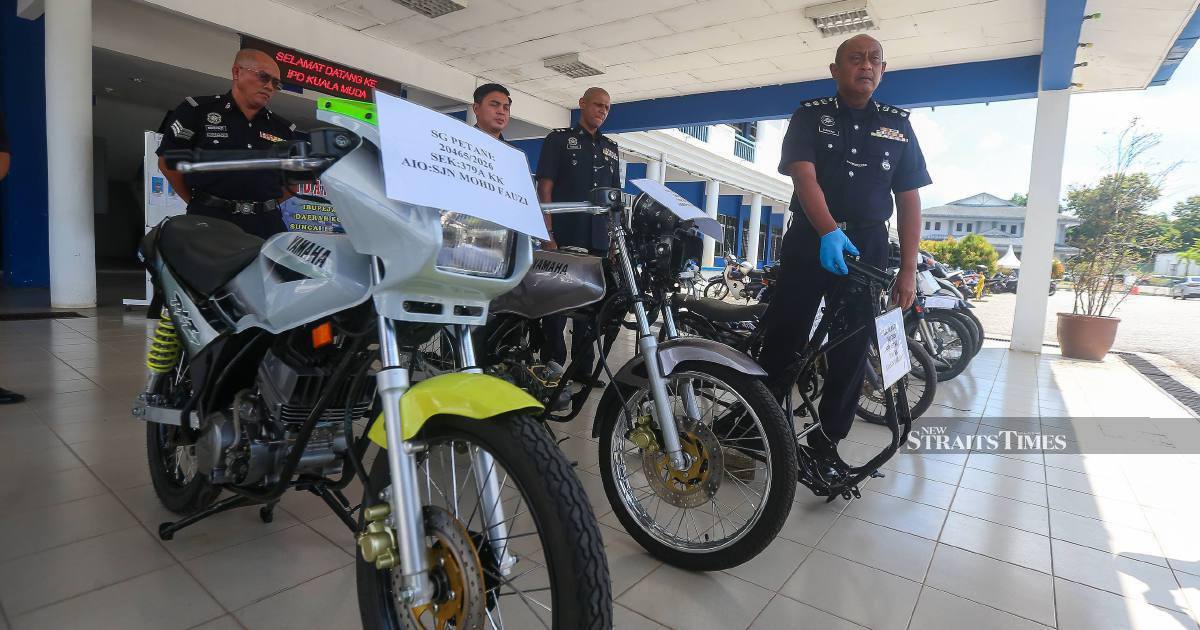
Authorities in Sungai Petani have arrested four teenage boys in connection with a series of motorcycle thefts targeting a parking area adjacent to the Keretapi Tanah Melayu Bhd facility, with police confirming the detentions took place following an incident on July 14. Three of the four suspects are brothers, suggesting a possible family involvement or coordination in the theft operation, raising concerns about youth gangs operating in the urban area.
The arrests represent part of an intensifying enforcement drive against vehicle theft networks in the Kedah region. Sungai Petani, as a significant commercial and transportation hub, has experienced persistent challenges with motorcycle thefts, which remain a common form of property crime across Malaysia. The KTMB parking area, which serves railway passengers and commuters, has emerged as a particular vulnerability point, potentially due to the high volume of parked vehicles and the transient nature of users who may not be present to monitor their motorcycles for extended periods.
The coordination of the three brothers alongside a fourth suspect suggests a structured theft ring rather than opportunistic crime. Such organised patterns typically involve role specialisation—lookouts, drivers, and those responsible for disabling security features or breaking locks. The youth's familiarity with the target location and operational methods indicates premeditated criminal activity rather than random or spontaneous offences.
Major cities and transportation nodes across Southeast Asia, including those in Malaysia, face comparable challenges with vehicle theft rings operated by young offenders. The relative ease of dismantling motorcycles for spare parts, combined with high demand in the black market, makes two-wheelers particularly attractive targets. Thieves can rapidly strip components and distribute them through informal distribution networks, making recovery and prosecution complex.
The KTMB parking facility's location in an urban commercial area makes it particularly susceptible to such crimes. Users leaving motorcycles parked while commuting or conducting business provide extended windows during which vehicles remain unattended. Unlike residential areas where owners might notice unauthorised access more quickly, transportation hub parking areas often experience delayed discovery of thefts, giving offenders additional time to escape and dispose of stolen goods.
Police investigations into such theft networks typically extend beyond the immediate arrests, as authorities seek to identify the broader criminal ecosystem supporting these activities. This includes identifying potential fencing operations, spare parts dealers, and other individuals involved in receiving or distributing stolen motorcycles and components. The involvement of multiple young offenders suggests possible connections to established crime networks operating in the district.
The apprehension of the four teenagers underscores the vulnerability of youth to criminal recruitment and involvement. Factors including peer pressure, economic motivation, and limited employment opportunities for school-age individuals can push young people towards theft and other opportunistic crimes. Family involvement, particularly when siblings participate jointly, may reflect shared circumstances or problematic domestic environments influencing their criminal choices.
The incident also highlights potential security gaps at public facilities where valuable property is stored. Transportation hubs typically balance operational convenience with security considerations, and theft patterns at specific locations can inform better protective measures. Enhanced surveillance, improved lighting, better access control, and community awareness campaigns have proven effective in reducing vehicle thefts at similar facilities elsewhere in Malaysia and the region.
For residents and commuters in Sungai Petani and surrounding areas, the arrests provide cautionary evidence of persistent theft risks. Vehicle owners using parking facilities at major transportation nodes should adopt precautions including parking in well-lit areas, using steering locks and alarm systems, and considering premium security devices such as GPS trackers. Reporting suspicious activity to authorities can help establish patterns and support preventive policing.
The Kedah police have not released details regarding charges that will be filed against the four youths or the estimated value of motorcycles recovered in connection with the investigation. Such details typically emerge following completion of police investigations and prosecutorial review. Potential charges could range from theft under the Penal Code to receiving stolen property, with penalties varying based on the specific circumstances and the offenders' prior records.
This case reflects broader challenges facing Malaysian law enforcement in managing youth-involved property crime while addressing underlying social factors that facilitate criminal recruitment. Coordinated approaches combining enforcement action, community engagement, and youth intervention programmes have demonstrated effectiveness in reducing theft networks in other jurisdictions and may offer relevant lessons for Kedah authorities moving forward.

