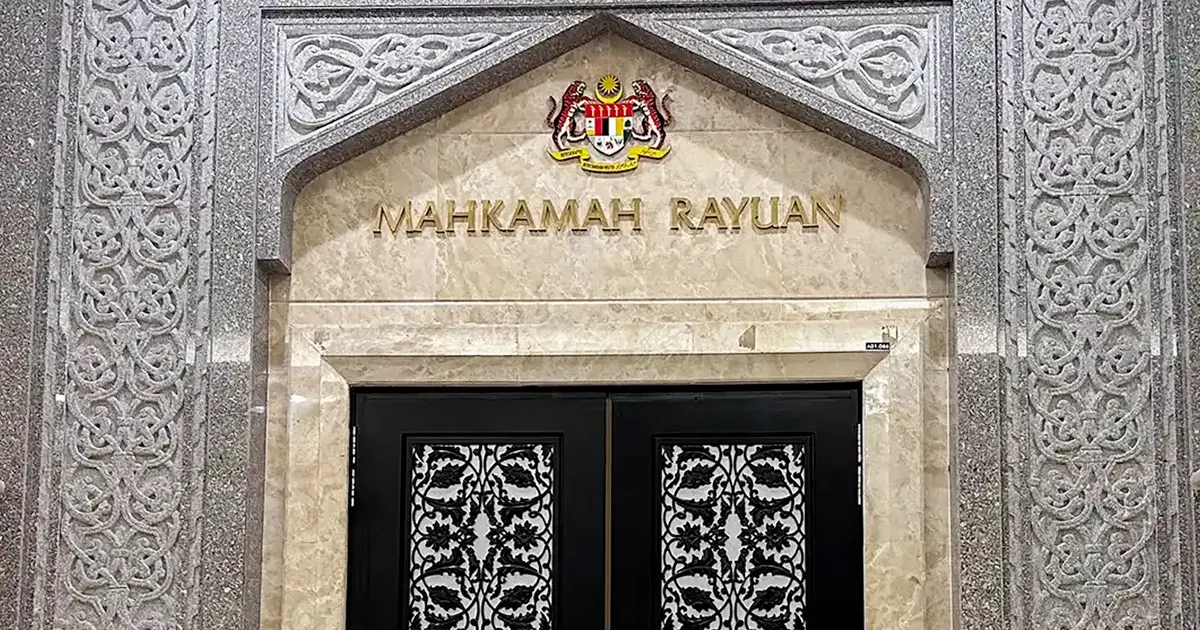
A three-judge panel at the Court of Appeal has dismissed the case brought by four sisters seeking compensation for what they contended was unlawful damage to their ancestral property in Pedas. The court determined that the sisters had not successfully demonstrated which party or parties had undertaken the trespass and drainage work that they claimed triggered severe erosion affecting their land. This ruling represents a significant setback for the family, who had sought redress through the judicial system after years of attempting to address deterioration to their inherited estate.
The appellants faced considerable evidentiary hurdles in establishing their claim. The central difficulty lay in their inability to conclusively identify the responsible agent—whether an individual, contractor, development company, or local authority—who had conducted the drainage operations. Without clearly identifying the defendant or defendants, the sisters could not establish legal liability or demonstrate a direct causal link between the specific actions of an identified party and the erosion damage their land had sustained. The court's judgment underscores the demanding burden of proof required in civil cases involving property disputes, particularly when multiple potential actors might have been involved.
Erosion and land degradation disputes are increasingly common across Malaysia as rapid development, agricultural intensification, and changing land use patterns alter drainage systems and watershed characteristics. Pedas, situated in Negeri Sembilan, has experienced considerable economic activity over recent decades, creating exactly the kind of environmental pressures that can trigger disputes over property boundaries and drainage management. Neighbouring landowners, developers, and municipal authorities often find themselves in conflict when modifications to water management infrastructure—whether authorised or not—produce downstream consequences for adjacent properties.
The sisters' inability to pinpoint responsibility reveals a broader challenge facing property owners throughout the region. When damage occurs incrementally, or when multiple parties might have contributed to the problem, establishing clear causation becomes extraordinarily difficult. Documentation trails may be incomplete, official records may not clearly delineate responsibility, and witnesses may be unwilling or unavailable to testify about who authorised specific works. For rural or semi-rural landowners, pursuing such claims often requires substantial financial investment in expert witnesses, surveyors, and legal representation—costs that may exceed the value of the property damage itself.
The implications of this judgment extend beyond the immediate parties involved. The ruling reinforces that Malaysian courts demand rigorous evidentiary standards in environmental and property damage cases, placing significant responsibility on claimants to investigate and prove their allegations thoroughly. Landowners confronting similar situations cannot rely on circumstantial evidence or general knowledge that drainage works occurred somewhere in their vicinity; they must establish precisely who performed those works and when. This standard, while protecting potential defendants from unsubstantiated claims, may inadvertently disadvantage individuals with limited investigative resources or access to official information about who authorized particular projects.
Property disputes of this nature frequently occur when administrative processes are opaque or when responsibility for land management is fragmented across multiple governmental bodies. In many instances, determining which authority or entity authorised particular drainage works requires accessing records held by local councils, state authorities, or privately-owned development companies. Not all such records are readily available to the public, and obtaining them through formal channels can be lengthy and costly. The sisters in this case likely encountered such barriers, contributing to their difficulty in establishing definitive responsibility.
For Malaysian property owners contemplating similar claims, the judgment suggests several strategic considerations. First, documentation becomes critical from the moment damage is suspected—detailed photographs, expert reports on erosion patterns, and contemporaneous records can establish that damage occurred and when. Second, proactive investigation into who holds authority over adjacent lands and drainage systems should begin early, potentially through requests to local authorities and land offices. Third, engaging professionals such as civil engineers or environmental consultants to provide expert evidence linking specific actions to documented damage significantly strengthens a claim's legal foundation. Fourth, consulting legal counsel at the earliest stages can help identify potentially responsible parties before pursuing litigation.
The decision also reflects practical realities of environmental management in developing regions where land use is intensifying and infrastructure is expanding. Developers, contractors, and local authorities may undertake drainage modifications that, while intended to solve problems on their own property or within their jurisdictional boundaries, produce unintended downstream consequences. The legal question then becomes whether those responsible parties exercised reasonable care, obtained proper permits, and conducted environmental impact assessments—matters that require evidentiary support to establish in court.
Beyond this specific case, the ruling highlights the importance of property registries and zoning documentation that clearly delineate rights and responsibilities across adjacent parcels. When drainage systems are properly mapped and responsibility clearly assigned through registered instruments or statutory arrangements, future disputes become more manageable. However, many properties in Malaysia, particularly ancestral or long-held family land, may predate modern registration systems, making it difficult to establish historical rights and responsibilities. These older properties often exist in an ambiguous regulatory space where modern drainage and development frameworks have been imposed without clear reconciliation with pre-existing ownership arrangements.
The four sisters may now consider whether to seek a rehearing, pursue further appeal, or accept the judgment. Some may explore alternative remedies, such as approaching local authorities to investigate whether unauthorised works occurred on their behalf, or attempting to negotiate settlements directly with identifiable parties who conducted the drainage work. The financial and emotional toll of prolonged litigation, however, often encourages families to seek closure rather than pursue additional legal avenues, particularly when initial courts have already questioned the strength of their evidence.
This case ultimately underscores the intersection of property rights, environmental management, and evidentiary requirements in Malaysian jurisprudence. For Southeast Asian jurisdictions grappling with rapid development and intensifying land use conflicts, it provides a cautionary example of how procedural obstacles and evidentiary burdens can frustrate the resolution of legitimate environmental grievances. Strengthening administrative transparency, improving record-keeping around development approvals and drainage works, and establishing clearer frameworks for determining responsibility would help future claimants navigate these difficult cases more effectively.

