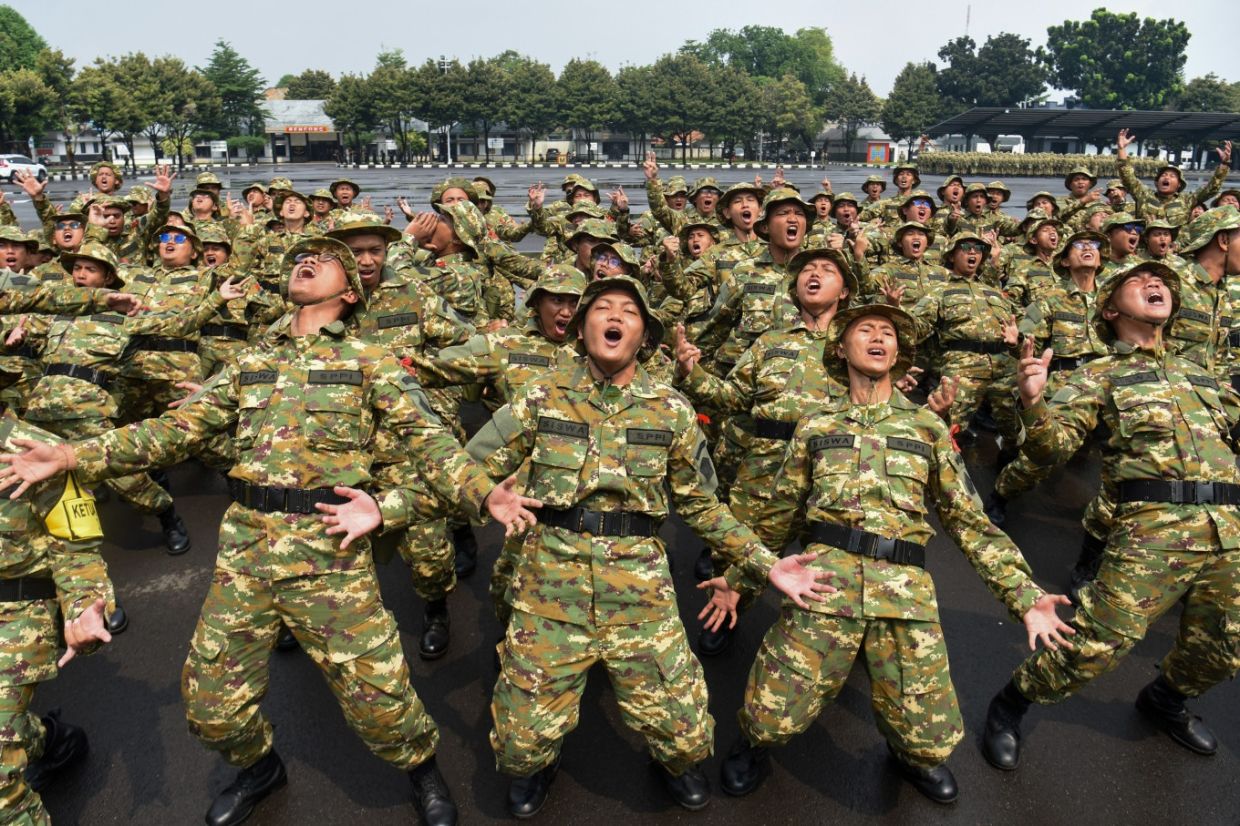
President Prabowo Subianto's flagship rural development initiative has been shadowed by tragedy, with four deaths occurring during the mandatory military-style training component designed for cooperative managers. The fatalities, occurring just days into a 30-day programme conducted under the Defence Ministry's reserve component, have ignited fierce debate over whether such martial preparation is appropriate for civilian administrators managing agricultural and fishing enterprises across Indonesia.
The most recent death occurred on 25 June when Muhammad Rifqi Renaldi Gunawan succumbed to respiratory complications while undergoing training at an Air Force facility in Jakarta. He had struggled with breathing difficulties during the programme and was rushed to hospital for intensive care, but died early the following morning. This fourth death follows three others within the same week: Anisa Muyassaroh in Balikpapan, East Kalimantan, who collapsed from heat stroke; Yonanda Muhammad Taufiq in Baturaja, South Sumatra, who suffered cardiac arrest during initial activities; and Novia Rahmadhani Sihotang in Jakarta, whose death was attributed to health complications related to tuberculosis. With more than 35,000 participants enrolled in this cohort alone, the death rate has catalysed urgent scrutiny of the training methodology and selection criteria.
The Defence Ministry responded to mounting pressure on 26 June by committing to a comprehensive review of the programme's operations. Brigadier General Rico Ricardo Sirait, the ministry's spokesperson, announced that officials would examine health screening procedures, mechanisms for detecting pre-existing medical conditions, participant monitoring systems, and emergency response protocols. The acknowledgement signals recognition within government circles that the current approach may require substantial refinement, though it remains unclear whether modifications will address the fundamental concerns raised by critics questioning the necessity of military training for civilian managers.
Civil society organisations have adopted a more confrontational stance, viewing the deaths as evidence of systemic misalignment between the training's methods and its stated objectives. Amnesty International Indonesia's executive director Usman Hamid characterised the military training as fundamentally flawed, demanding immediate cessation and replacement with civilian-focused education centred on cooperative management and business practices. Hamid connected the programme to broader concerns about the militarisation of civilian affairs under Prabowo's administration, drawing historical parallels to Indonesia's New Order period when the military exercised pervasive influence over non-military institutions and governance.
The critique extends beyond safety concerns to philosophical questions about cooperative principles. Usman argued that military-style hierarchies and discipline protocols fundamentally contradict the democratic ethos underlying successful cooperative enterprises, which function on consensus-building, collective decision-making, and equitable participation among members. This tension between authoritarian command structures and participatory management models strikes at the heart of whether military training can meaningfully prepare civilians to lead democratic economic organisations, a point that has resonated with lawmakers and development specialists examining the programme's design.
Parliamentary oversight bodies have similarly called for programme modification rather than outright cancellation. The House of Representatives Commission I, which supervises defence matters, has indicated close monitoring of implementation. Commission I deputy chair Dave Laksono of the Golkar Party acknowledged the stated objectives of instilling discipline, leadership qualities, and nationalist sentiment while simultaneously emphasising that training methods and emergency protocols require substantial improvement to adequately protect participant safety. This balanced position reflects legislative recognition that the government views the military component as ideologically significant, even as lawmakers press for risk mitigation.
Commission member Imas Aan Ubudiyah of the National Awakening Party has focused specifically on procedural safeguards, emphasising that participants must undergo more stringent health evaluations before participation in physically demanding activities. Imas has called for integrated risk mitigation standards, enhanced medical supervision throughout training, and rigorous assessment of individual physical capabilities before enrolment. These recommendations address the practical reality that some participants may have underlying health vulnerabilities—including undiagnosed conditions like tuberculosis—that manifest dangerously when subjected to intense physical exertion and heat exposure.
The Presidential Chief of Staff Dudung Abdurachman offered a measured governmental response, stating that investigators had uncovered no evidence of negligence in training administration. He characterised the training itself as not particularly strenuous, suggesting that deaths may reflect underlying health conditions or other contributing factors still under investigation. Abdurachman's statements, while defending the programme's basic soundness, nonetheless acknowledged that future iterations must emphasise participant safety more prominently—an implicit concession that current safety protocols may be inadequate.
The broader context reveals the significance of this training component within Indonesia's development framework. The government intends to establish 80,000 cooperative units and 5,000 fishing villages by 2029, positioning rural cooperatives as central to rural economic development and poverty reduction. These initiatives represent substantial commitments of government resources and political capital, explaining why officials have resisted calls for programme elimination even as they acknowledge implementation problems. The military training phase represents just 30 days of a 45-day total preparation period, after which participants receive 15 days of managerial instruction before deployment to actual cooperative positions.
For Malaysian observers, the Indonesian situation offers instructive lessons regarding the risks of importing military-style discipline models into civilian economic governance. While leadership development frequently incorporates elements borrowed from military training traditions, the Indonesian case demonstrates the hazards of inadequate medical screening, insufficient heat and exertion management, and the fundamental incompatibility between command hierarchies and cooperative principles. The deaths also highlight how government initiatives, however ambitious in conception, require robust safety infrastructure, independent health protocols, and genuine willingness to modify approaches when evidence of harm emerges.
The unfolding review will likely determine whether Indonesia's cooperative programme survives in its current form or undergoes substantial restructuring. The deaths have created political space for critics to challenge the militarisation rationale itself, though government commitment to maintaining some form of military-influenced training suggests that modifications, rather than elimination, remain most probable. The coming weeks will reveal whether the Defence Ministry's promised comprehensive review translates into meaningful changes addressing the concerns raised by civil society organisations, parliamentary oversight bodies, and bereaved families who question whether military discipline truly serves rural economic development objectives.

