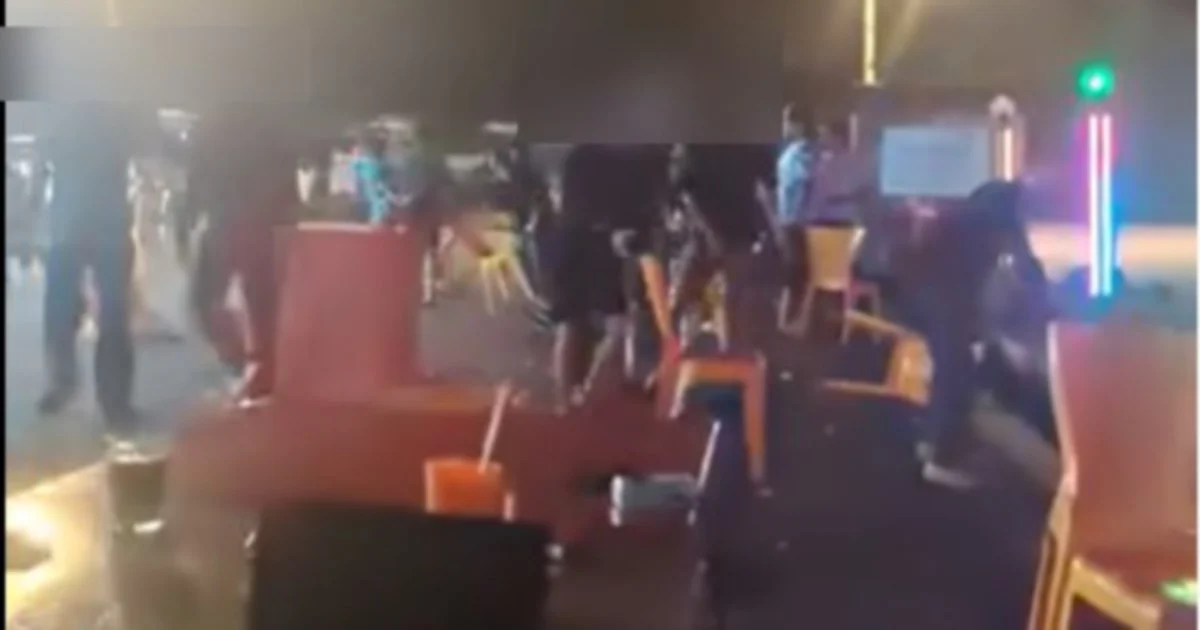
Authorities in Johor have detained four individuals following a chaotic incident that unfolded at a dining establishment in Taman Manis, Kulai, yesterday. The arrest came after officers responded to reports of a violent altercation that saw diners resorting to using restaurant furniture as improvised weapons during their confrontation.
The incident highlights an ongoing concern about public safety in commercial dining areas, where the presence of loose furnishings and confined spaces can rapidly escalate minor disagreements into dangerous situations. Restaurant brawls have become increasingly common across Malaysia's urban centres, with many establishments inadequately equipped to manage or prevent such disturbances. The use of chairs as weapons underscores how quickly a verbal dispute can deteriorate into physical violence, endangering not only those directly involved but also innocent patrons and staff members present at the time.
In Johor specifically, Kulai has seen occasional spikes in public order offences, though the jurisdiction remains relatively stable compared to larger metropolitan areas. Taman Manis is a residential and commercial district that serves as a gathering point for locals seeking dining and entertainment options. The choice of location for such an incident suggests that even family-friendly neighbourhood eateries are not immune to the risk of violent eruptions, a reality that has prompted many business operators to invest in security measures.
The arrest of four suspects represents the immediate law enforcement response, though details regarding the specific charges they will face remain forthcoming. Police investigations into restaurant brawls typically focus on establishing the initial cause of the dispute, identifying any weapons used, and determining whether pre-existing animosity or disputes between the parties contributed to the escalation. In many cases, such altercations stem from trivial matters—perceived disrespect, disputes over payment, or misunderstandings—that spiral into serious criminal incidents through poor conflict resolution and aggressive posturing.
The involvement of multiple individuals suggests this was not an isolated scuffle but rather a coordinated or group-based confrontation. Restaurant staff in such situations often find themselves in precarious positions, needing to protect customers and property while avoiding personal injury. Malaysia's hospitality sector has increasingly called for clearer protocols and training for restaurant employees in de-escalation techniques and emergency response procedures, recognising that management plays a crucial role in preventing minor incidents from becoming major security incidents.
Furniture being weaponised during altercations is particularly concerning because it reflects both the impulsive nature of such violence and the willingness of participants to cause serious harm. Chairs can inflict significant injuries when wielded as weapons, potentially causing head trauma, fractures, or other serious bodily harm. This aspect of the incident underscores the distinction between verbal altercations and assault cases involving weapons or dangerous instruments, which carry more severe legal consequences under Malaysian criminal law.
For diners and business owners in Kulai and beyond, such incidents raise legitimate concerns about personal safety when patronising local establishments. Many consumers now factor security presence and management responsiveness into their venue selection decisions. Restaurants that respond swiftly to disturbances, maintain visible security measures, and cooperate fully with authorities tend to retain customer confidence despite occasional incidents. Conversely, establishments perceived as unable to manage their premises adequately may experience declining patronage as word spreads through community networks and social media.
The police response and arrests represent one component of public safety management, but the broader challenge involves creating a culture of responsible behaviour in shared public spaces. Education campaigns targeting young adults about the legal and personal consequences of violence, combined with strict enforcement of assault and disorderly conduct laws, form essential elements of preventative strategy. When courts impose meaningful penalties for restaurant brawls—including custodial sentences for serious cases—the deterrent effect can influence behaviour at the community level.
Moving forward, this incident in Kulai will likely prompt local authorities to review security protocols in similar establishments. Some jurisdictions have implemented requirements for CCTV coverage in dining venues, designated security personnel during peak hours, and clear policies for managing disruptive patrons. These measures, while adding to operational costs for restaurant owners, serve to protect both customers and staff while generating evidence that assists police investigations when incidents do occur.
The investigation into the circumstances leading to yesterday's brawl will provide insights into whether the altercation was spontaneous or the culmination of ongoing tensions between the parties involved. Such details matter significantly for legal proceedings and for understanding patterns in public order offences across different localities. As Johor continues its development as a major economic and residential hub attracting increasing numbers of residents and workers, maintaining public safety in commercial spaces remains a priority for both law enforcement and business operators seeking to create welcoming environments for their communities.