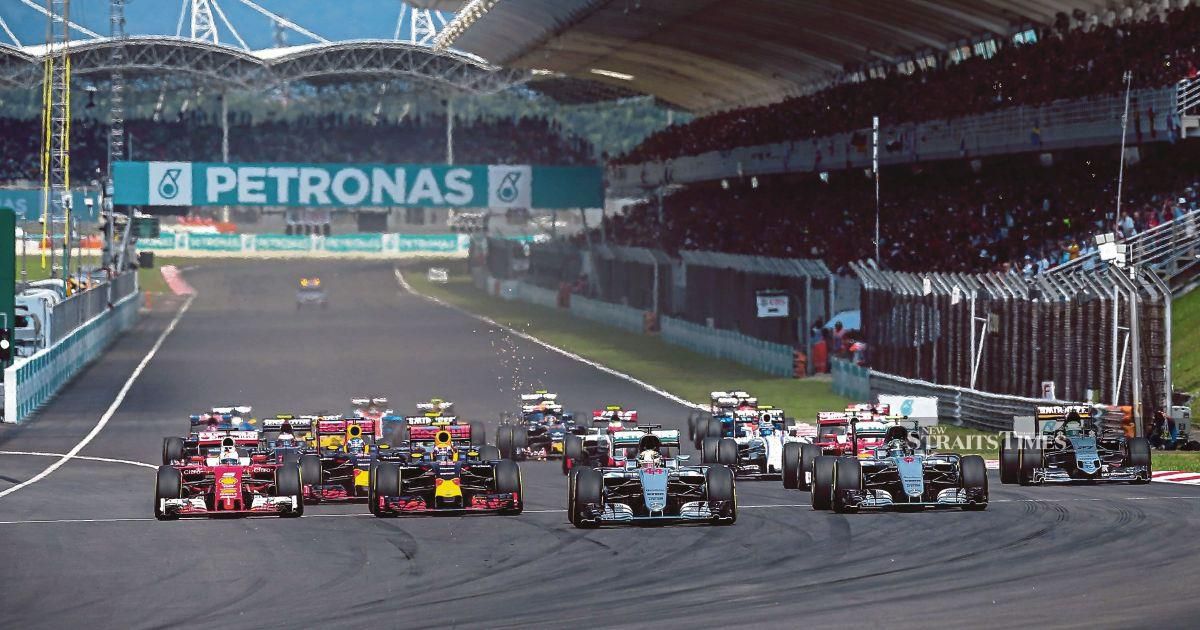
Prime Minister Datuk Seri Anwar Ibrahim has launched a ticket initiative designed to broaden access to one of motorsport's most exclusive events, introducing special Madani-branded tickets priced from RM200 for Malaysian citizens attending the Formula 1 Grand Prix at Sepang International Circuit in October. The move reflects government efforts to democratise attendance at major international sporting events, ensuring that iconic gatherings need not remain confined to affluent audiences.
The Sepang International Circuit, located in Selangor, has long served as Malaysia's premier venue for Formula 1 racing, having hosted the Malaysian Grand Prix since 1999. The circuit's return to the global F1 calendar represents a significant moment for the country's sporting profile and economy, as the event generates substantial revenue through tourism, hospitality, and international media coverage. October's race will mark another opportunity to showcase Malaysia's capability in hosting world-class motorsport and to position the nation within the international sporting calendar.
The pricing structure at RM200 represents a substantial reduction from typical Formula 1 ticket costs, which frequently escalate into the hundreds or thousands of ringgit depending on seating categories and vantage points. By offering this entry-level price point, the government aims to remove financial barriers that have historically prevented ordinary Malaysian citizens from experiencing a Grand Prix live. This approach aligns with the broader Madani framework, which emphasises inclusive economic participation and equitable access to national resources and events.
Formula 1's return to Sepang carries implications extending beyond entertainment value. The event serves as a platform for Malaysia to demonstrate infrastructure capabilities, organisational excellence, and the nation's position as a regional hub for premium tourism experiences. International visitors attending the Grand Prix inject foreign currency into the Malaysian economy whilst generating promotional value through global media exposure. Local hospitality, transportation, and service sectors benefit measurably from the influx of international and domestic visitors.
The initiative also speaks to strategic government thinking regarding sports diplomacy and soft power projection. By making F1 accessible to more Malaysians, the government cultivates deeper public engagement with international motorsport and positions the country as forward-thinking in its approach to sporting governance. This contrasts with approaches that restrict premium events to exclusive audiences, instead embracing a model where national pride in hosting major events is collectively shared.
For Malaysian motorsport enthusiasts, the special ticket offering provides a rare opportunity to witness elite-level racing featuring world-renowned drivers and cutting-edge automotive technology at a fraction of typical costs. Many aspiring fans have never experienced a live Grand Prix despite the sport's prominence in global television broadcasts. The RM200 price point makes attendance achievable for middle-income Malaysian families and individuals who might otherwise consider the experience financially prohibitive.
The ticket initiative raises questions about supply and allocation mechanisms. With potentially limited allocations available at the discounted RM200 price, the government will need to establish fair distribution systems, whether through ballots, online registrations, or direct allocations to specific demographic groups. Transparency in these processes will be crucial to ensure public confidence and prevent perceptions of favouritism or inequality.
Beyond individual ticket sales, the event's economic footprint extends to hotels, restaurants, ground transportation, and entertainment venues surrounding the circuit. The influx of spectators drives demand across Selangor's service economy, benefiting businesses both proximate to and distant from Sepang. International visitors require accommodation, dining, and tourist activities, creating multiplier effects throughout the regional economy.
The timing of the Grand Prix in October aligns with Malaysia's transition between monsoon seasons, positioning the event within a window suitable for international travel. The circuit's location between Kuala Lumpur and the Selangor coast makes it accessible to both domestic and international visitors, whilst being situated within Malaysia's primary economic corridor.
Prime Minister Anwar Ibrahim's announcement reflects evolving government priorities regarding public access to major sporting events. Rather than treating such occasions as luxury goods available solely to premium-paying audiences, the administration has opted to democratise participation. This philosophy extends beyond motorsport to encompass broader policies aimed at ensuring Malaysians from various socioeconomic backgrounds can experience and celebrate national sporting moments.
The special Madani tickets represent a practical policy intervention that balances commercial realities with equitable access principles. Formula 1 operations require substantial revenue to cover organisational, security, and facility costs; by offering discounted tickets alongside market-rate alternatives, the initiative maintains financial viability whilst extending participation opportunities. This hybrid approach allows the event to remain prestigious and professionally executed whilst broadening its societal reach.
As Malaysia prepares to welcome Formula 1 to Sepang in October, the combination of international motorsport excellence and domestic accessibility creates a unique moment for the nation. The special ticket initiative ensures that Malaysians across income levels can participate in this celebrated sporting spectacle, transforming it from an elite gathering into a genuinely national event that reflects contemporary values of inclusive growth and shared opportunity.

