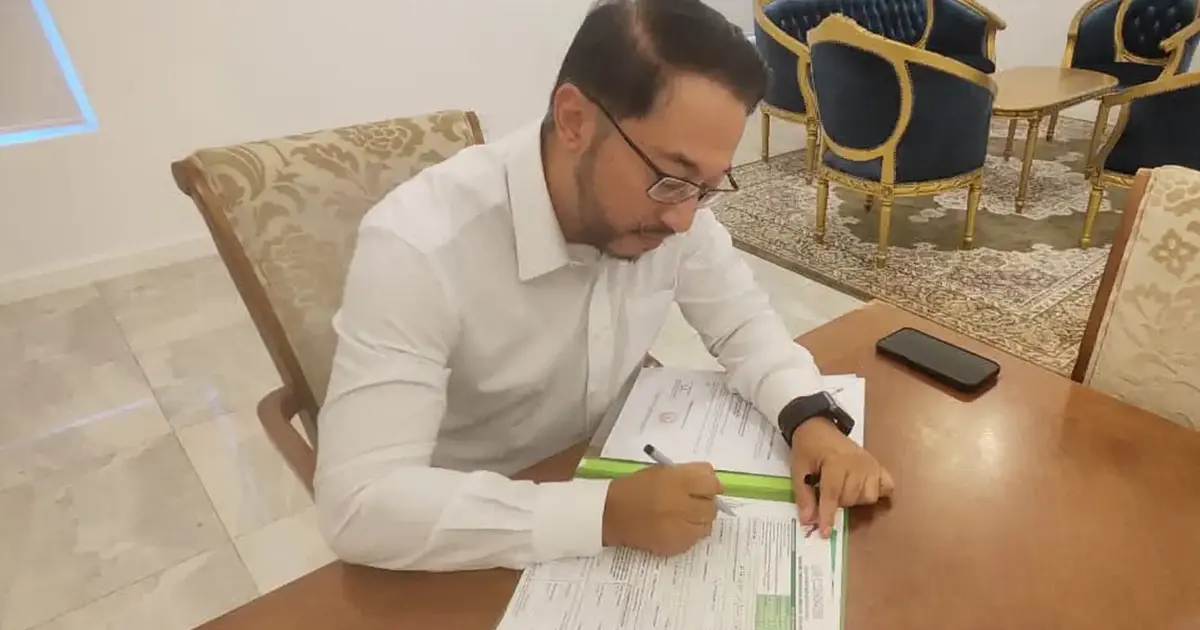
In a significant political realignment, Isham Jalil, a former member of Umno's Supreme Council, has submitted an application to join PAS, the Islamic party that has emerged as a dominant force in Malaysian politics following the 2023 general election. The move signals continued volatility within the opposition bloc and reflects broader currents of political migration reshaping the country's competitive landscape.
Isham's decision to leave Umno and pursue membership in PAS represents more than a simple party switch. His stated rationale—that he seeks a political home "free of corruption"—carries implicit criticism of his former organization, which has faced persistent allegations of financial impropriety and governance failures. This framing suggests deep personal disenchantment with Umno's institutional culture and leadership direction, particularly relevant given Malaysia's ongoing reckoning with high-profile corruption cases involving prominent Umno figures in recent years.
The application underscores PAS's expanding appeal beyond its traditional voter base of Islamic-minded rural constituents. The party has successfully repositioned itself as a serious contender for national leadership, demonstrating capacity to attract seasoned political operatives from establishment parties. For a figure of Isham's seniority to voluntarily seek entry into PAS ranks signals confidence in the party's institutional trajectory and suggests deeper dissatisfaction within Umno's corridors of power than conventional public discourse reveals.
Umno's internal challenges have deepened considerably since its electoral defeat in 2018, the recovery during the Sheraton Move period of 2020-2021, and the subsequent loss of significant parliamentary representation in 2023. The party has struggled to maintain internal cohesion, with numerous senior figures departing or considering alternatives. Each defection erodes Umno's demographic and organizational strength, while simultaneously validating the departing member's personal assessment of the party's viability and values.
PAS, conversely, has consolidated power through strategic alliance with Bersatu and coordinated governance in multiple state governments. The party's leadership has consistently emphasized Islamic governance principles and administrative discipline. For reform-minded politicians, the invitation to join PAS offers both ideological alignment and perceived institutional integrity—commodities increasingly scarce within Umno's increasingly fractious structure.
The timing of Isham's application arrives amid broader questions about Umno's strategic direction under current leadership. The party faces demographic challenges, youth disengagement, and persistent brand damage from years of corruption investigations. Meanwhile, PAS has successfully cultivated an image as a morally serious alternative capable of delivering on governance promises, particularly at state level where its stewardship in Kelantan and Terengganu has generated measurable public approval despite persistent criticism from secular analysts.
For Malaysian politics, Isham's transition illustrates the weakening of Malaysia's once-dominant parties and the genuine competition now shaping electoral competition. Unlike in previous decades when Umno's dominance seemed almost permanent, contemporary Malaysian politics has become genuinely competitive. Politicians of substance increasingly calculate their prospects beyond traditional party loyalties, choosing venues where personal ambition aligns with perceived institutional strength and moral authority.
The implications extend across Southeast Asia's broader political context. Malaysia's transition reflects patterns visible in other Muslim-majority democracies where Islamic-oriented parties have modernized organizational structures and governance capabilities, making them credible competitors rather than perennial fringe actors. PAS's evolution from protest movement to institutional power fundamentally reshapes regional political typologies and suggests enduring space for faith-based political movements in contemporary Southeast Asia when they successfully institutionalize.
For Malaysian observers, Isham's application raises substantive questions about Umno's future. Will the party's leadership undertake genuine organizational reform addressing governance and accountability concerns? Or will departures of capable professionals continue, gradually eroding the party's capacity to present itself as a credible national alternative? The answers matter considerably for Malaysia's political stability, since Umno's potential collapse could create dangerous governance vacuums and deepen polarization between competing visions of the Malaysian state.
PAS's willingness to accept senior Umno defectors also merits scrutiny. Integration of veteran politicians brings valuable institutional knowledge and parliamentary experience, yet may create internal tensions with existing power structures and PAS's base supporters. Successfully absorbing figures like Isham requires calibrated approach balancing inclusive recruitment with preservation of organizational identity and member satisfaction.
The broader trajectory suggests Malaysian politics remains in flux, with traditional fault lines and party structures undergoing profound reconfiguration. Isham Jalil's application to PAS represents one individual choice, yet emblematizes larger currents reshaping the nation's political marketplace—currents that will continue determining Malaysian political competition for years ahead.

