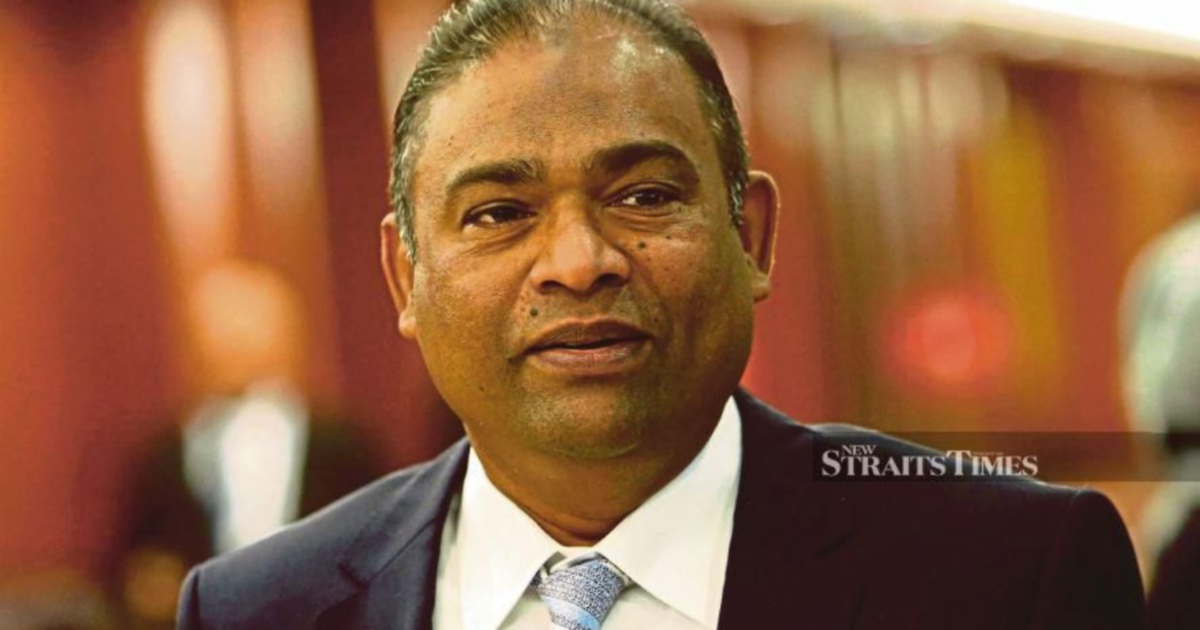
Datuk Seri Abdul Azeez Abdul Rahim, who previously held the position of chairman at Tabung Haji, has not been arrested by the Malaysian Anti-Corruption Commission, according to clarification provided by his family. Mohamed Khairul Azman, the former executive's son, issued the statement to dispel circulating reports about his father's status regarding potential enforcement action by the graft-fighting agency.
The denial comes as speculation mounted regarding the former Tabung Haji leader's involvement in ongoing investigations. Tabung Haji, Malaysia's pilgrimage fund manager and a significant institution overseeing the savings and investments of Muslim Malaysians preparing for the hajj, has faced scrutiny in recent years over governance matters and financial management issues. The organisation manages tens of billions of ringgit in assets belonging to millions of account holders across the country.
Clarifications from family members often emerge when public figures face intense media attention or when reports contain inaccuracies about their legal standing. The distinction between being summoned for questioning, assisting with investigations, and formal arrest carries important legal implications in Malaysia's enforcement landscape. Such clarifications help establish an accurate timeline and nature of any interactions with authorities.
The Malaysian Anti-Corruption Commission maintains broad investigative powers under the Malaysian Anti-Corruption Commission Act 2009, allowing it to conduct interviews and gather information from witnesses and persons of interest as part of its inquiries. These interactions do not necessarily constitute formal arrests, though they can be preliminary steps in more serious proceedings. Understanding this distinction proves crucial for public figures seeking to maintain their reputation during investigations.
Tabung Haji has been at the centre of several governance discussions in recent years, particularly regarding investment strategies, dividend distributions, and administrative practices. Multiple former leaders and officials associated with the fund have faced scrutiny from various authorities over different matters. The organisation's significance to Malaysia's Muslim community makes transparency and ethical management paramount concerns.
Family members speaking on behalf of public figures under investigation serve an important function in managing public perception and providing accurate information. Mohamed Khairul Azman's intervention suggests the family viewed prevailing reports as misleading or inaccurate regarding his father's current circumstances. Such statements often precede more detailed explanations from legal representatives or the individuals concerned.
The timing of such clarifications frequently coincides with heightened media interest or investigative developments. Malaysian readers, particularly those with Tabung Haji accounts, remain keenly interested in any developments affecting the fund's governance and leadership. The institution's role in facilitating the religious obligation of hajj for Muslims means public trust in its management directly impacts millions of Malaysian families.
Anticipating potential legal proceedings or enforcement actions, families often engage public relations strategies to frame narratives about their relatives' situations. These preemptive statements can influence how subsequent developments are received and interpreted by the public and media. However, the absence of an arrest does not necessarily indicate the absence of an investigation or potential future action.
The broader context of governance accountability in major Malaysian institutions has shifted considerably in recent years, with increased scrutiny from anti-corruption bodies, parliamentary committees, and civil society organisations. This heightened oversight applies to both public and quasi-public entities managing significant public resources. Tabung Haji, with its vast portfolio and national importance, remains subject to this intensified attention.
For Malaysian investors, particularly those with savings in Tabung Haji, such developments raise questions about institutional stability and governance standards. The fund's ability to navigate reputational challenges and maintain operational confidence depends partly on how leadership issues are resolved transparently. Any lingering uncertainty about management integrity could influence public confidence in the organisation's financial management.

