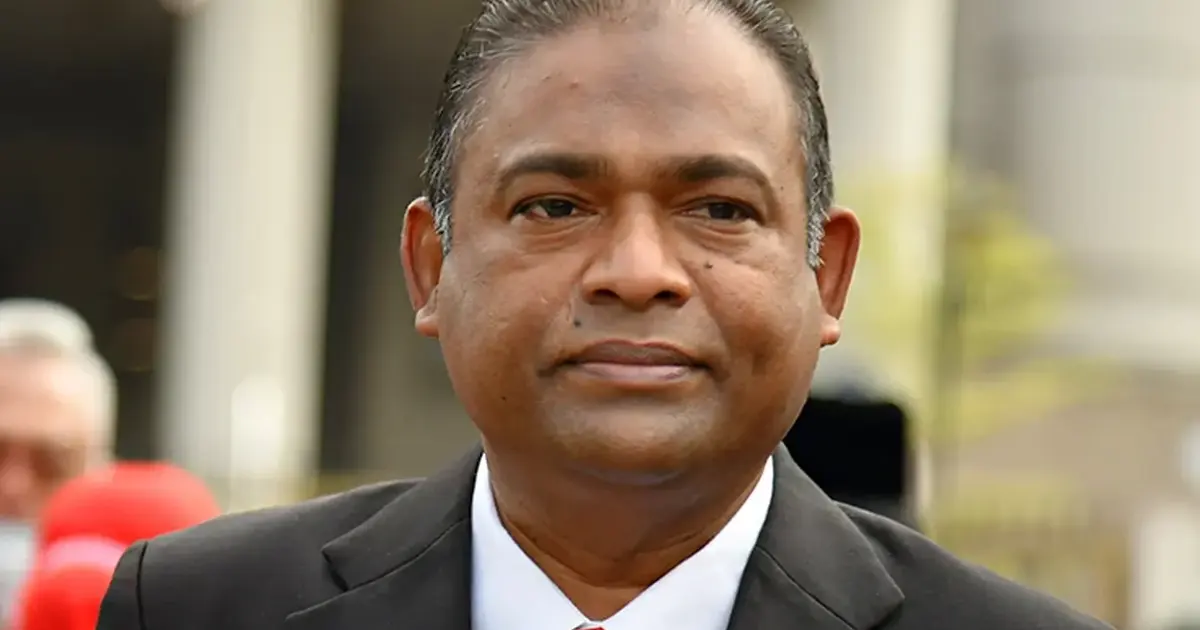
Speculation rippled across social media platforms overnight that Abdul Azeez Abdul Rahim, the former chairman of Tabung Haji and ex-MP for Baling, had been detained by the Malaysian Anti-Corruption Commission. However, his family moved swiftly to quash these allegations, with his son publicly clarifying that his father remains free and has not been taken into custody by any government agency.
The rumours gained traction in online spaces, where users shared unverified claims about the former parliamentarian's alleged apprehension. Such unconfirmed reports are not uncommon in Malaysia's digital sphere, where political figures and state-linked institutions frequently become subjects of speculation during news cycles. The speed at which these narratives spread underscores the power of social media to shape public perception, even when factual grounding is absent.
Abdul Azeez Abdul Rahim's tenure as Tabung Haji chairman places him at the intersection of politics and the management of the country's largest Islamic pilgrimage fund, an institution of significant national importance. The pilgrimage savings authority administers billions of ringgit in deposits from Malaysian Muslims preparing for the Hajj, making its leadership roles subjects of public scrutiny. Any suggestion of misconduct involving the fund's former stewardship naturally triggers concern among stakeholders and the broader public.
The clarification from his family represents an important moment in combating misinformation in Malaysian public discourse. Social media-driven accusations, even when lacking substantiation, can inflict reputational damage and generate unnecessary alarm. The family's decision to issue a direct denial reflects growing awareness among Malaysian households and public figures of the need to counter false narratives quickly and decisively.
This incident also highlights the broader challenge facing Malaysian authorities and media institutions in an era of rapid information dissemination. The line between legitimate investigative reporting and unsubstantiated rumour-mongering has become increasingly blurred. Citizens often struggle to distinguish authoritative announcements from speculation, particularly when allegations involve anti-corruption bodies such as the MACC, whose investigations carry legal weight and public significance.
The Malaysian Anti-Corruption Commission operates under considerable public interest, particularly regarding cases involving state institutions and political figures. Any potential enforcement action by the MACC typically becomes a matter of official record and media reporting. The absence of formal confirmation from either the commission or law enforcement agencies should have been a red flag that the overnight social media claims lacked credibility.
For families of public figures, the emergence of such rumours creates unique pressures. The intersection of political prominence and social media accessibility means that unfounded allegations can circulate within hours, reaching hundreds of thousands of individuals before verification occurs. The reputational implications are immediate and often persistent, regardless of eventual truth-telling.
Abdul Azeez Abdul Rahim's role as former Baling MP and Tabung Haji chairman situates him within Malaysia's political and financial governance structures. Any investigation into his conduct would carry implications beyond personal consequences, potentially affecting public confidence in institutions he once helmed. This reality makes rapid family intervention both understandable and necessary.
The incident offers Malaysian news consumers a timely reminder about the importance of source verification and critical engagement with social media claims. Authoritative announcements from official channels—whether government agencies, law enforcement bodies, or verified news organisations—should remain the primary reference points for factual claims, particularly those involving legal processes or detention.
Moving forward, this episode underscores the need for media literacy initiatives in Malaysia and Southeast Asia more broadly. As digital platforms continue reshaping how political information flows, both institutional actors and individual citizens bear responsibility for maintaining information integrity. Family members and public figures increasingly find themselves in positions where they must serve as fact-checkers against viral falsehoods.
The rapid denial from Abdul Azeez Abdul Rahim's son appears to have stemmed the flow of misinformation, at least among audiences who encountered the family's response. However, the ease with which the initial claims proliferated suggests that social media users remain susceptible to unverified allegations, particularly when they involve established political or institutional figures. This vulnerability presents both a challenge and an opportunity for Malaysian society to strengthen its collective approach to information verification and critical thinking.

