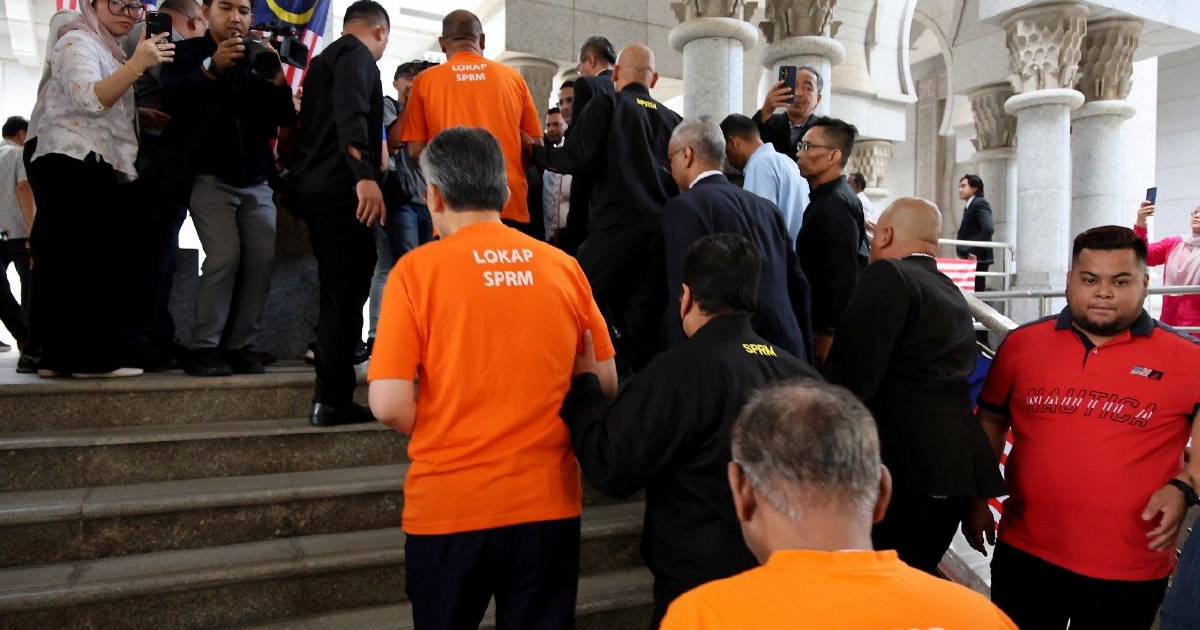
The former chairman of Lembaga Tabung Haji and a previous Treasury secretary-general made their appearance at Putrajaya magistrates' court on Tuesday for proceedings related to their remand, marking another significant chapter in a legal case involving two prominent figures from Malaysia's financial governance sector. The court hearing, which drew public and media attention, underscored the country's ongoing commitment to investigating matters of administrative conduct among senior government servants and state-linked institution leaders.
Tabung Haji, officially known as the Lembaga Tabung Haji, serves as Malaysia's pilgrimage savings fund manager and holds considerable responsibility in managing the religious and financial needs of Muslim citizens preparing for the hajj. The institution has previously faced scrutiny over its financial management and investment decisions, particularly following revelations about significant losses incurred through various initiatives. The appearance of the former chairman in court reflects broader concerns about governance and oversight mechanisms within major state institutions that handle public funds and individual savings.
The involvement of a former Treasury secretary-general in these proceedings carries particular weight given the Treasury's central role in national fiscal policy, budget allocation, and oversight of government-linked companies and institutions. The secretary-general position represents one of Malaysia's most senior civil service posts, with responsibility for implementing economic policy and ensuring prudent management of public resources. The legal action targeting a former holder of this position suggests investigations into potential governance lapses at the highest administrative levels.
Remand hearings serve as critical junctures in Malaysia's criminal justice process, where courts determine whether suspects should be held in custody pending investigation or released on bail. The magistrate's decision at such hearings often reflects the perceived seriousness of allegations and concerns about flight risk or evidence tampering. The formal court appearance by both individuals signals that authorities view the matter with sufficient gravity to seek continued custody or impose significant bail conditions.
The case carries implications for Malaysia's governance landscape, particularly regarding accountability mechanisms for senior public officials and state-linked institution leadership. In recent years, Malaysia has intensified efforts to combat corruption and strengthen institutional governance, with multiple high-profile cases involving former ministers, government officials, and corporate executives. This inquiry into figures from Tabung Haji and the Treasury represents continuation of that broader anticorruption agenda.
Tabung Haji's financial challenges have been widely documented, with the institution reporting substantial losses and requiring government intervention and restructuring. Media reports and parliamentary questions have focused on investment decisions, management practices, and potential conflicts of interest that may have contributed to the fund's difficulties. The remand hearing suggests that investigations have progressed beyond administrative inquiries to formal criminal proceedings with specified allegations.
The Treasury secretary-general's role in overseeing government finances and monitoring state-linked entities places particular focus on questions about oversight of Tabung Haji during the relevant period. The Treasury must balance competing demands for institutional independence while ensuring public funds are safeguarded through adequate checks and balances. Any alleged failure in oversight functions would represent a serious breach of fiduciary responsibilities.
For Malaysian citizens with savings accounts in Tabung Haji, including millions of Muslims saving for pilgrimage, the legal proceedings affecting the institution's leadership may raise concerns about fund security and management. The formal investigation and court proceedings serve as public accountability mechanisms, potentially providing clarity about governance failures and institutional safeguards being implemented. Transparency in such cases helps restore public confidence in state institutions.
The remand hearing process will likely involve arguments from both prosecution and defence regarding custody versus bail, with the magistrate weighing factors including the complexity of investigations, evidence collection needs, and risks of tampering. The court's decision will shape the timeline and trajectory of the case, potentially determining whether individuals remain in custody or await trial outside prison. Such decisions carry significant personal consequences for the accused individuals while also reflecting judicial assessment of case merit.
Beyond the immediate legal proceedings, the case contributes to broader national conversations about institutional reform, governance standards for public officials, and mechanisms for protecting public funds. Malaysia's journey toward strengthening institutional accountability has included legislative amendments, establishment of specialized courts and agencies, and heightened public scrutiny of government operations. Cases involving former senior officials attract particular attention as they test institutional commitments to equal treatment regardless of rank or previous position held.

