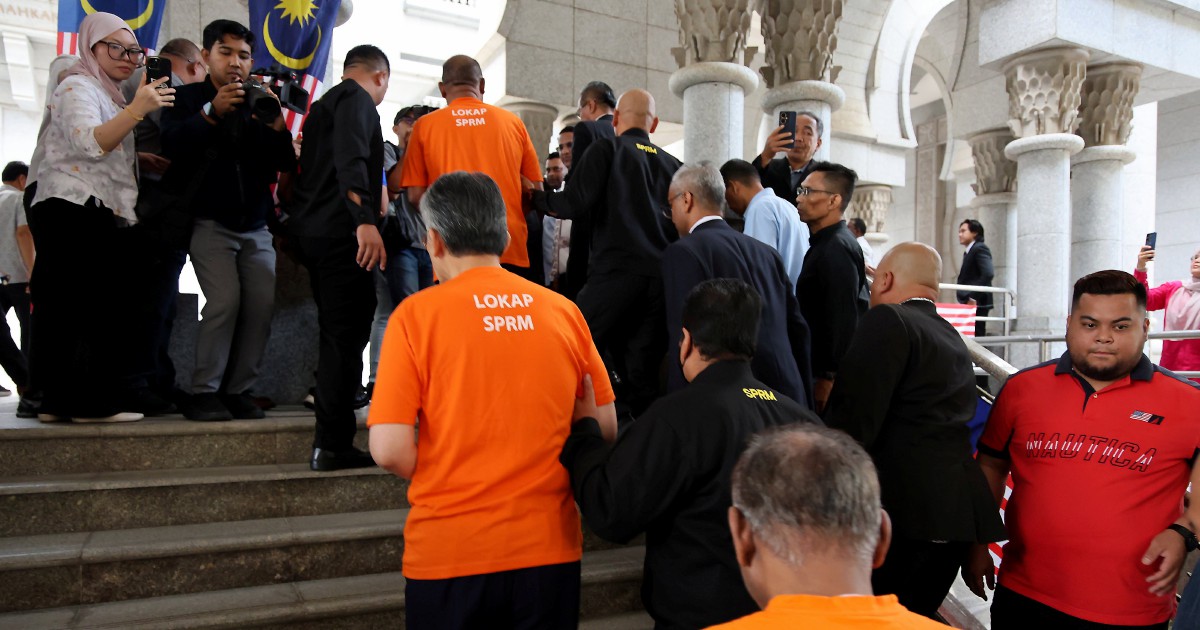
The Malaysian Anti-Corruption Commission secured a four-day remand extension against a former chief executive officer of Tabung Haji in Putrajaya, signalling that the anti-corruption probe into Malaysia's Islamic pilgrimage fund continues to intensify. The development marks another chapter in what has become an increasingly scrutinised chapter of the fund's governance, particularly following years of mounting financial challenges and questions surrounding management decisions.
Tabung Haji, officially known as Lembaga Tabung Haji, serves as a crucial financial institution for Muslim Malaysians seeking to perform the hajj pilgrimage. The fund manages savings contributions from millions of pilgrims and has historically held significant assets, making its leadership and financial stewardship matters of substantial public interest. The extension of the remand signals the MACC's determination to thoroughly investigate alleged irregularities or misconduct at the highest echelons of the organisation.
The timing of this detention reflects broader concerns within Malaysia's financial regulatory framework. Over the past several years, Tabung Haji faced considerable scrutiny over its investment strategies, including its substantial property holdings and equity positions. The fund's performance deteriorated notably in recent years, with reported losses exceeding expectations and leading to questions about how management decisions affected the life savings of millions of ordinary Malaysians preparing for one of Islam's most important obligations.
For Malaysian pilgrims and their families, developments such as this carry profound implications. Tabung Haji represents far more than a conventional investment vehicle; it embodies trust and religious responsibility. When leadership decisions come under investigation by authorities, it naturally creates anxiety among account holders about the security and prudent management of their accumulated savings. The extension of the remand suggests investigators believe there are substantial matters requiring clarification from this former executive.
The involvement of the MACC specifically underscores that the investigation involves allegations of corruption or misconduct rather than ordinary business mismanagement. The commission's decision to seek extended remand indicates that investigators believe additional time is necessary to obtain crucial statements, clarify inconsistencies, or pursue specific leads that may have emerged during the initial interrogation period. In Malaysian legal procedure, courts typically grant such extensions only when authorities provide compelling justification.
The case also intersects with wider governance issues affecting Malaysia's state-linked enterprises and religious institutions. Tabung Haji occupies a unique position as a religiously-affiliated financial body with statutory authority, making questions about its management particularly significant. The investigation may touch upon issues including investment oversight, internal controls, procurement procedures, or decisions regarding major transactions that warrant examination from an anti-corruption standpoint.
Regionally, Malaysia's approach to investigating high-level corruption in financial institutions carries implications for how Southeast Asian jurisdictions handle similar matters. The MACC's continued pursuit of this investigation demonstrates institutional commitment to accountability, though observers will watch closely to see whether investigations extend to other individuals or entities connected to the fund's operations. Such probes often reveal broader systemic issues requiring structural reforms.
The extension comes as Malaysian authorities have intensified focus on governance issues affecting major public institutions and state-linked companies. Following political changes and various reform initiatives, there has been renewed emphasis on investigating historical cases and ensuring that leadership across public institutions operates within established legal and ethical frameworks. The Tabung Haji investigation fits into this broader pattern of enhanced scrutiny.
For the broader Malaysian investment and finance community, such investigations carry important messages about accountability expectations. State-linked entities and their leaders face increasing oversight regarding their financial decisions and management practices. This environment potentially influences how decision-makers across similar institutions approach governance matters, knowing that significant transactions or policies may later face independent review.
The investigation's progression will likely generate continued media attention and public commentary, particularly as Tabung Haji stakeholders seek clarity about the fund's future direction and any potential reforms to its governance structure. The outcome could influence investor confidence in the fund's management and may prompt discussions about institutional reforms to prevent recurrence of whatever issues investigators are examining.
As the investigation advances through the extended remand period, investigators will presumably focus on obtaining complete accounts of relevant decisions, financial transactions, and communications involving the former executive. The four-day extension provides law enforcement with additional opportunity to pursue investigative leads and establish facts that may ultimately determine whether charges are warranted.

