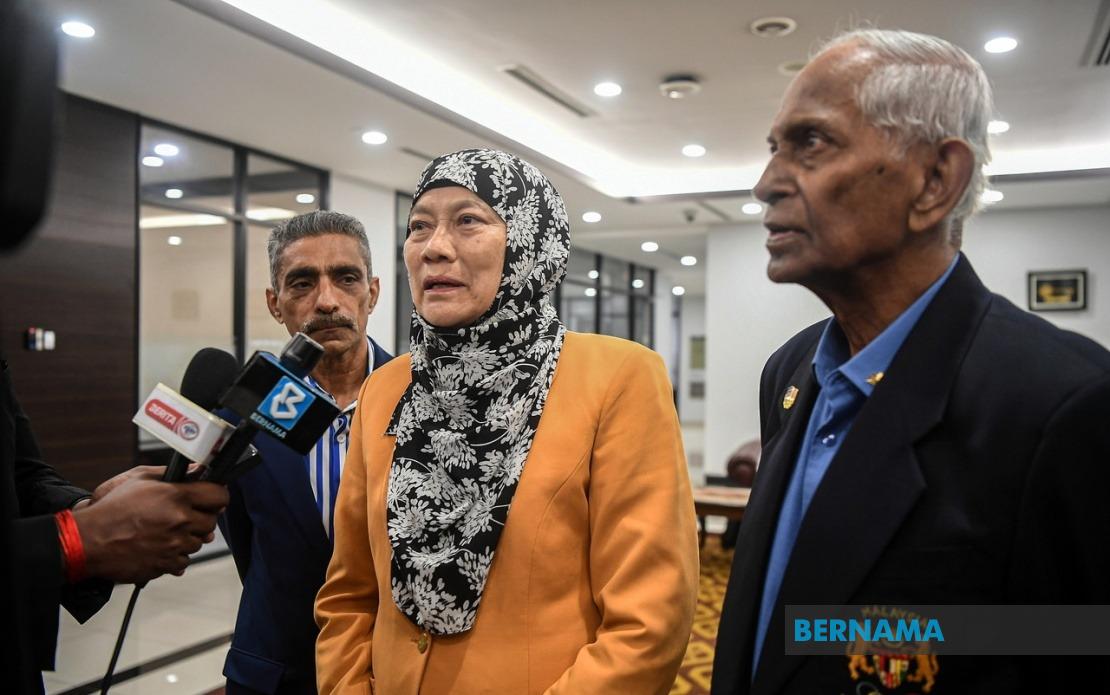
Datuk Zaiton Othman, the former Sports Commissioner and one-time national athletics representative, has issued a stark warning to Malaysia Athletics that the governing body must immediately strengthen its governance structures and align itself fully with the constitution and operational standards established by World Athletics. Speaking after a meeting with Youth and Sports Minister Dr Mohammed Taufiq Johari at Parliament on June 23, Zaiton outlined the serious consequences that could follow if Malaysia Athletics fails to address persistent compliance issues—consequences that extend far beyond the administrative sphere and directly threaten the nation's sporting ambitions.
The central concern raised by Zaiton and other former athletes and Olympians present at the meeting is straightforward but alarming: non-compliance with World Athletics regulations could trigger disciplinary action ranging from the suspension of Malaysia Athletics' registration to its outright cancellation. Such outcomes would create cascading problems for Malaysian sport at the regional and international level. Most immediately, Malaysia would be unable to organise or host athletics events during the 2027 SEA Games, an extraordinary embarrassment for a host nation and a blow to regional competition planning. Beyond that, national athletes would face barriers to competing in any international athletics events officially recognised by World Athletics, effectively isolating Malaysia's track and field competitors from the global competitive stage.
The implications for Malaysia's medal count are particularly troubling. Athletics, encompassing track and field events, remains one of the most prolific sources of medals at the SEA Games, second only to swimming and shooting. The athletics programme at the regional competition offers 47 gold medals across various disciplines, with marquee events such as the 100-metre sprint and the 4x100-metre relay drawing significant international attention and contributing substantially to host nations' final medal tallies. Zaiton articulated this concern with striking clarity: the prospect of hosting the SEA Games while being unable to compete in or organise one of the most medal-rich sports on the programme represents an untenable position for any host nation.
Zaiton's remarks reflected the perspective of the Reformation in Sports and Excellence (RISE), the advocacy group that brought these governance concerns to the minister's attention. Accompanying Zaiton in this initiative were Olympian Datuk Karu Selvaratnam and Datuk Noorul Ariffin Abdul Majeed, former chairman of the National Athletes Welfare Foundation. Their collective intervention signals growing unease among Malaysia's athletics community and elder statespeople of the sport about the current trajectory of institutional governance. These are not outsiders criticising from the margins; they are seasoned figures with deep roots in Malaysian athletics who understand intimately what systemic dysfunction could cost the country.
The immediate trigger for this governance crisis centres on Malaysia Athletics' constitution. In late May, MA president Karim Ibrahim took a temporary leave of absence from his leadership role, creating space for the association to amend its constitutional framework in alignment with World Athletics standards. The matter was to be addressed at the Annual General Meeting scheduled for June. This move followed years of regulatory tension and a complex history involving Karim's own disciplinary status. In 2018, World Athletics suspended Karim from his position, a decision that was subsequently upheld by the Court of Arbitration for Sport (CAS). Despite this suspension from World Athletics governance roles, Karim retained the ability to serve on the Asian Athletics Federation Executive Council for the 2019-2023 term, a distinction that highlighted the complexity of international sports governance hierarchies.
What makes Zaiton's intervention particularly significant is her framing of the issue not as a matter of personalities or individual disputes, but as a systemic governance failure that threatens Malaysia's competitive future. She emphasised that former athletes and Olympians came forward because they feared that constitutional and compliance problems could degrade the performance of Malaysian athletes on the international stage. When governance dysfunction translates into athletes being sidelined or nations being isolated from competition, the human cost becomes immediate and concrete. Young Malaysian sprinters, middle-distance runners, and field athletes could find their careers constrained not by lack of ability but by institutional failure at the governing body level.
Zaiton also addressed the delicate balance between government authority and sports autonomy. While the government cannot directly intervene in the day-to-day administrative affairs of autonomous sports associations, the Sports Development Act 1997 provides the Ministry of Youth and Sports and the Sports Commissioner with explicit authority to enforce compliance with regulations and, where necessary, to reprimand associations that stray from the established framework. This mechanism exists precisely to prevent situations where institutional dysfunction at the sports association level damages the national interest and athlete welfare.
The background to this controversy extends beyond mere administrative oversight. Malaysia Athletics' struggle to align with World Athletics standards speaks to broader challenges within Malaysian sports governance, where constitutional frameworks sometimes lag behind international best practices and evolving standards. World Athletics, as the sport's international federation, sets standards that are designed to ensure integrity, transparency, and fairness across global athletics. When a national association's constitution conflicts with these standards, it creates legal and operational friction that ultimately harms athletes and the nation's competitive standing.
For Malaysian readers following this issue, the stakes are worth understanding clearly. The 2027 SEA Games represent a major international showcase for Southeast Asia and a platform for Malaysian athletes to compete at home. Athletics is central to that showcase. The possibility that Malaysia might be unable to host or participate in athletics events at that Games is not a remote technicality—it would be a significant sporting and diplomatic setback. Moreover, the broader principle at stake is that Malaysian athletes deserve governing bodies that operate transparently, fairly, and in compliance with international standards. Zaiton's call is fundamentally a plea to prioritise athlete welfare and national competitiveness over any other considerations that might be delaying governance reform at Malaysia Athletics.