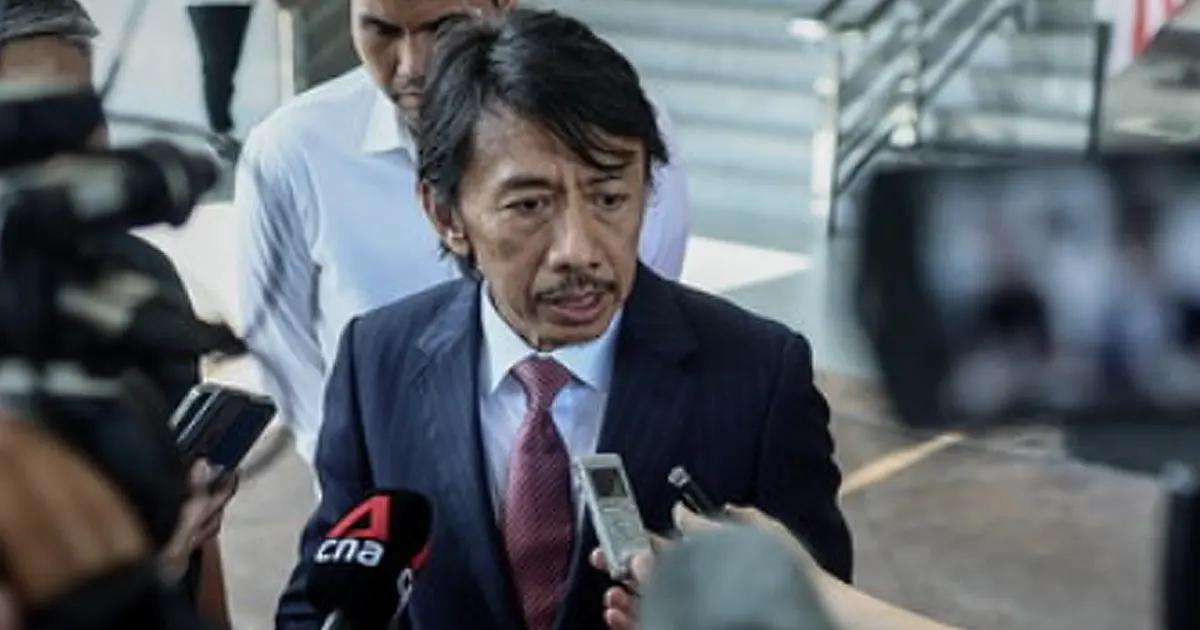
Former Prime Minister Ismail Sabri Yaakob has received a pacemaker implant to address an abnormal heart rhythm condition. The procedure took place at the National Heart Institute, marking a significant health intervention for the 65-year-old politician who led Malaysia's government until November 2022.
The insertion of a pacemaker represents a common but important cardiac intervention designed to regulate irregular heartbeats. This type of arrhythmia can range from benign to potentially serious, and modern pacemaker technology allows physicians to manage such conditions with minimally invasive surgical techniques. The device works by sending electrical impulses to the heart muscle, ensuring a steady and appropriate heart rate, particularly when the body's natural pacemaker malfunctions or fails to maintain proper rhythm.
Ismail Sabri's medical team has advised him to observe a period of rest to facilitate recovery from the operation. Following pacemaker implantation, patients typically require several weeks of careful monitoring and restricted physical activity to allow the surgical site to heal properly and to permit the device to settle into position. During this recovery phase, strenuous exertion and certain movements must be avoided to prevent complications and ensure optimal device function.
The health condition affecting Ismail Sabri underscores broader conversations about medical surveillance among Malaysia's senior political figures. As politicians age and assume high-stress positions, cardiovascular issues become increasingly prevalent. The announcement of his medical intervention comes at a time when Malaysia's political landscape continues to evolve, with various figures managing public responsibilities alongside personal health considerations.
Ismail Sabri served as the 8th Prime Minister of Malaysia from August 2021 to November 2022, taking office following the collapse of the Perikatan Nasional coalition government. His tenure coincided with Malaysia's efforts to navigate the post-pandemic economic recovery and address mounting fiscal challenges. The transition of power to Anwar Ibrahim in late 2022 marked a pivotal moment in Malaysian politics, and Ismail Sabri has since remained active in parliamentary affairs as a member of the United Malays National Organisation (UMNO).
The National Heart Institute, where the procedure occurred, stands as one of Southeast Asia's leading cardiac centres and serves as Malaysia's primary referral facility for complex heart conditions. Established in 1982, the institution has handled countless high-profile cases and maintains internationally recognised standards for cardiac surgery and intervention. The choice of this facility reflects the accessibility of advanced healthcare infrastructure within Malaysia's public health system.
Cardiovascular disease remains among the leading health challenges in Malaysia and across the region. The prevalence of heart conditions has grown steadily alongside urbanisation, lifestyle changes, and ageing populations. Pacemaker implantation has become an increasingly routine procedure, with survival rates and device reliability improving substantially over recent decades. Modern pacemakers incorporate sophisticated technologies including remote monitoring capabilities, which allow physicians to assess device function and patient status without requiring frequent in-person visits.
For political figures, health matters inevitably carry public significance beyond personal wellbeing. The performance of senior government figures depends substantially on their capacity to manage demanding schedules and high-pressure decision-making environments. Ismail Sabri's recovery period will likely see his participation in parliamentary proceedings and party activities reduced temporarily, potentially affecting UMNO's strategic positioning during a period of coalition negotiations and policy discussions.
The timing of his pacemaker implantation occurs within Malaysia's broader political context, where coalition politics and succession questions continue to dominate discussions. Multiple parties remain engaged in discussions about future electoral arrangements and government formation, making the health status of senior figures a matter of practical political consequence. Ismail Sabri's recovery and return to full political engagement will be monitored by political observers and party colleagues alike.
The implantation procedure itself typically takes between one and three hours, depending on complexity and the specific type of device required. Modern pacemakers come in various configurations designed to address different arrhythmia patterns, from simple single-chamber devices to more sophisticated dual or triple-chamber systems. The choice of device depends on the underlying cardiac condition and individual patient factors, a decision made collaboratively between cardiologists and the patient.
Moving forward, Ismail Sabri will require ongoing cardiac monitoring and regular check-ups to ensure the pacemaker functions optimally and to manage any underlying heart conditions. Technological advances have made long-term device management increasingly convenient, with remote monitoring systems allowing healthcare providers to track device performance electronically. This monitoring framework represents significant progress in cardiac care, particularly for patients requiring consistent oversight.
The public disclosure of Ismail Sabri's medical procedure reflects Malaysia's approach to transparency regarding the health of prominent political figures. While personal medical details are typically protected by privacy considerations, announcements regarding surgical interventions by senior politicians often enter public discourse due to legitimate concerns about governmental continuity and leadership capacity. His recovery and eventual return to normal activities will likely receive considerable attention from both political analysts and the broader Malaysian public.

