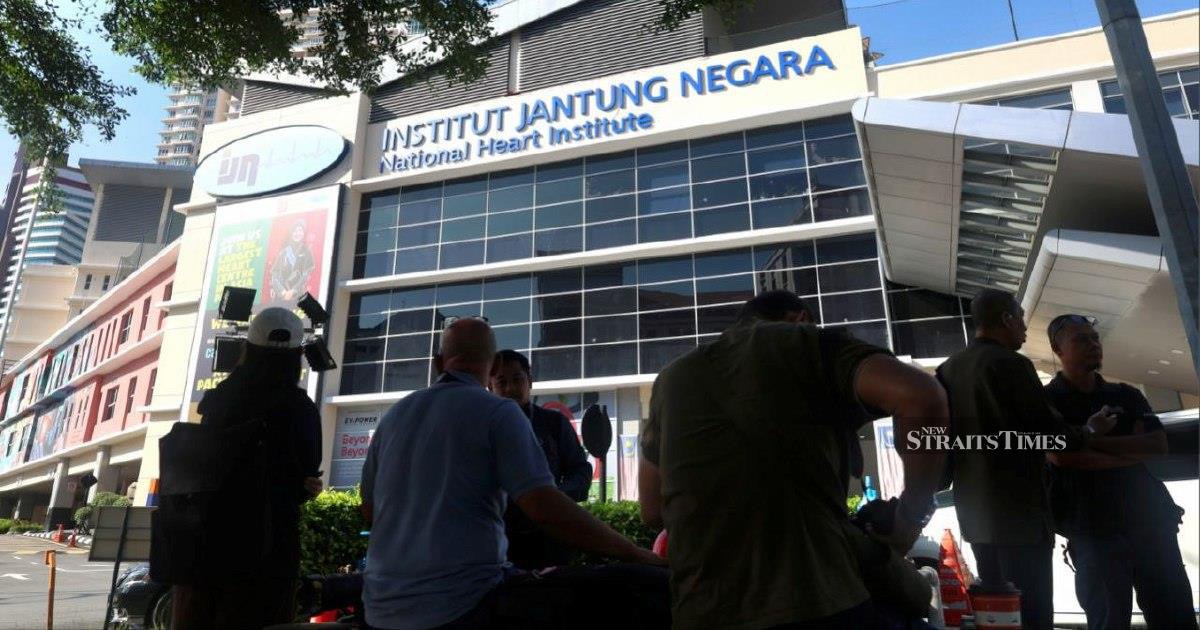
Former Prime Minister Datuk Seri Ismail Sabri Yaakob is set to undergo pacemaker implantation at the National Heart Institute (IJN) in Kuala Lumpur following the development of an irregular heartbeat condition. His lawyer confirmed the medical procedure will take place today, marking a significant health intervention for the prominent political figure who led Malaysia's government until 2022.
The decision to proceed with pacemaker installation reflects medical assessments indicating that Ismail Sabri's cardiac rhythm has become unstable enough to warrant the surgical intervention. Pacemakers are sophisticated electrical devices designed to regulate and maintain proper heart rhythm by sending electrical impulses to the heart muscle when natural pacing becomes erratic or insufficient. The procedure has become increasingly common among older patients experiencing arrhythmia complications, with modern devices offering extended battery life and minimised surgical invasiveness.
Ismail Sabri's health situation arrives amid continued political engagement in Malaysia's complex parliamentary landscape. As a senior figure within UMNO and former Prime Minister, his medical status carries implications for party dynamics and coalition positioning, particularly given the ongoing negotiations that characterise Malaysian political governance. Political observers have previously noted how health circumstances affecting senior leadership can reshape parliamentary calculations and ministerial arrangements.
The National Heart Institute represents Malaysia's premier cardiac healthcare facility, equipped with advanced diagnostic and interventional capabilities. As a government-funded institution affiliated with the Ministry of Health, IJN handles complex cardiac cases and maintains high standards of care consistent with international protocols. The selection of this particular hospital underscores the seriousness with which the medical team is approaching Ismail Sabri's condition.
Irregular heartbeat conditions, medically termed arrhythmias, occur when the heart's electrical system malfunctions, causing the organ to beat too quickly, too slowly, or with irregular intervals. While some arrhythmias prove benign and asymptomatic, others create significant cardiovascular risk and warrant intervention. The severity of Ismail Sabri's condition apparently warranted moving directly toward pacemaker installation rather than pursuing initial medical management alone, suggesting his medical team identified progressive or symptomatic irregularities.
The timing of this medical procedure will likely necessitate Ismail Sabri's temporary withdrawal from political activities requiring his full engagement. Recovery protocols following pacemaker implantation typically involve brief hospitalisation followed by weeks of restricted physical activity, during which patients must avoid heavy lifting and strenuous exertion to allow surgical sites to heal properly and permit device integration. This temporary absence from the political arena may influence parliamentary discussions or party meetings scheduled during the recovery window.
For Malaysian readers, the situation illustrates the increasing prevalence of cardiovascular health challenges among aging populations, a concern highlighted by public health authorities across Southeast Asia. Lifestyle factors including dietary patterns, physical activity levels, and stress exposure all contribute to arrhythmia development, making public awareness campaigns around cardiac health particularly relevant in Malaysian context.
The pacemaker technology Ismail Sabri receives represents decades of medical innovation, with contemporary devices incorporating sophisticated algorithms that adjust pacing parameters based on the patient's activity level and physiological requirements. Modern pacemakers can last up to fifteen years depending on device type and usage patterns, eliminating the need for frequent replacements that characterised earlier generations of cardiac devices.
Communication from Ismail Sabri's legal representative rather than direct political or family statements suggests a measured approach to managing public disclosure about his medical condition. This measured transparency reflects evolving standards regarding public figures and health privacy, balancing legitimate public interest with personal medical confidentiality boundaries increasingly recognised across Malaysian society.
The procedure at IJN demonstrates Malaysia's capacity to deliver complex cardiac interventions domestically, reducing dependency on overseas medical tourism for sophisticated treatments. This capability reflects investments in healthcare infrastructure and specialist training that have positioned the country as a regional healthcare destination, though cardiac issues affecting prominent citizens also underscore the importance of continued healthcare system development.
Following successful pacemaker implantation, Ismail Sabri will require ongoing cardiac monitoring and regular check-ups to ensure device functionality and battery status. These follow-up protocols typically involve periodic clinic visits and remote monitoring capabilities available through contemporary pacemaker systems, ensuring his medical team can track cardiac rhythms and device performance without requiring constant hospitalisation.
For Malaysian political observers, Ismail Sabri's health development comes during a period when leadership stability and succession planning occupy considerable parliamentary attention. His temporary medical absence may prompt discussions within UMNO regarding representation and decision-making structures during recovery periods, reflecting how individual health circumstances intersect with broader institutional governance arrangements in Malaysia's political environment.

