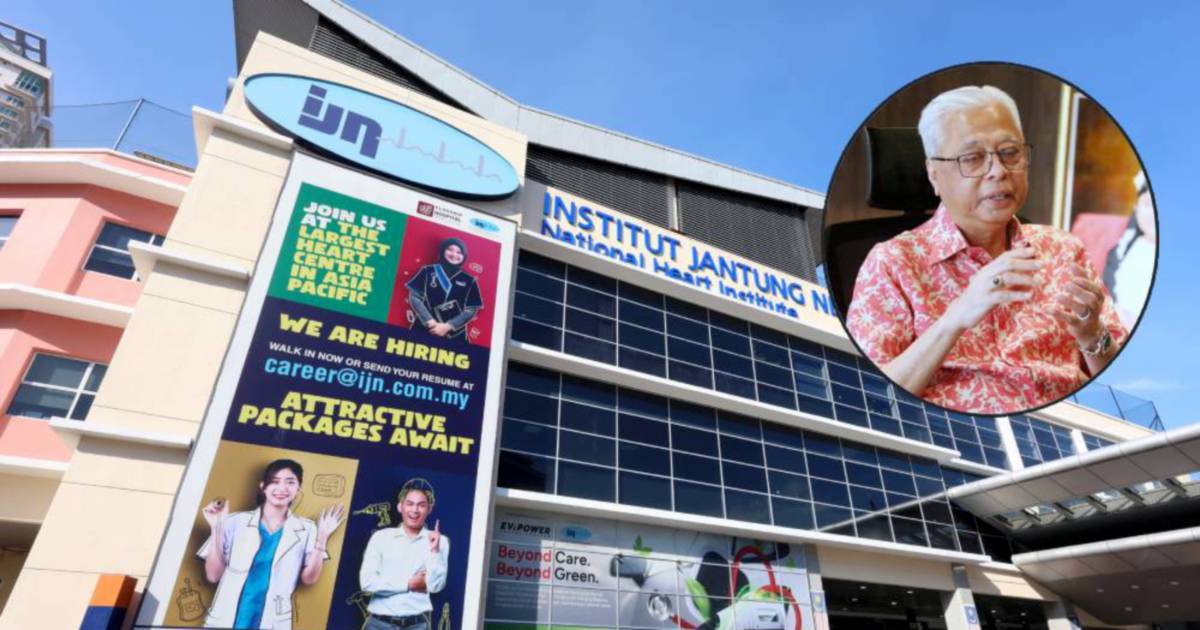
Former Prime Minister Datuk Seri Ismail Sabri Yaakob has undergone a successful leadless pacemaker implantation procedure at the National Heart Institute (IJN) in Kuala Lumpur, marking a significant health intervention for the veteran politician. The procedure was carried out after the former leader was admitted to the specialist cardiac facility due to complications arising from an abnormal heart rhythm that required immediate medical attention.
Leadless pacemakers represent an advanced category of cardiac devices that differ substantially from conventional pacemakers in their design and functionality. Unlike traditional systems that rely on a pulse generator connected to the heart via leads or wires, leadless pacemakers are entirely self-contained units implanted directly into the heart chamber itself. This technological approach eliminates the need for subcutaneous leads, reducing the risk of lead-related complications and potential infections that can occur with conventional pacemakers over extended periods.
Ismail Sabri's hospitalisation underscores the cardiovascular challenges that can emerge among Malaysia's political figures and senior citizens more broadly. The condition necessitating intervention—an abnormal heart rhythm, medically referred to as arrhythmia—can range from benign to life-threatening depending on severity and underlying causes. Such conditions may manifest as irregular heartbeats, palpitations, or episodes of dizziness, significantly impacting quality of life and requiring prompt specialist evaluation.
The National Heart Institute, as Malaysia's premier cardiac centre, has developed considerable expertise in implanting such advanced devices. The decision to opt for a leadless pacemaker rather than a traditional device reflects current international best practices in cardiac care, particularly for patients who may benefit from the reduced complication profile associated with this technology. IJN's selection of this approach suggests thorough assessment by its specialist teams regarding the former prime minister's specific clinical requirements.
The successful completion of the procedure represents positive news for Ismail Sabri's health trajectory. Medical teams typically recommend comprehensive post-operative rest and recovery periods following pacemaker implantation to allow proper integration of the device, permit incision healing, and enable the heart to adjust to the new rhythm management system. Such recommendations are not merely precautionary but essential to optimising long-term device function and preventing complications during the critical initial period.
For Malaysian readers, this case illustrates the accessibility of cutting-edge cardiac technology within the country's healthcare system, particularly at tertiary facilities like IJN. The availability of advanced treatments such as leadless pacemakers reflects Malaysia's positioning as a regional medical hub with expertise comparable to international standards. Patients with similar cardiac conditions now have access to these sophisticated interventions within the national healthcare landscape.
The health situation of prominent public figures often generates broader public discourse around healthcare quality and aging-related medical conditions in Malaysia. Ismail Sabri's experience, while personal, resonates with growing awareness of cardiovascular disease prevalence across the region. Malaysia's ageing population faces increasing incidence of heart rhythm disorders, making reliable access to specialised cardiac care increasingly critical for public health outcomes.
During recovery, former leaders traditionally step back from public engagements to focus on rehabilitation. The prescribed rest period serves multiple objectives: allowing the pacemaker to settle into its position, ensuring the heart adapts appropriately to rhythm management, permitting incision healing, and enabling the patient to regain physical strength. These recovery phases typically extend several weeks, during which activity restrictions guide daily life.
Pacemaker technology has evolved substantially over recent decades, with leadless variants representing the latest frontier in cardiac device innovation. These systems offer particular advantages for patients who might otherwise face device-related complications, infections at implantation sites, or aesthetic concerns about visible hardware. The technology has gained increasing adoption worldwide among cardiac specialists managing patients with specific arrhythmia presentations.
Ismail Sabri's successful procedure adds to Malaysia's growing catalogue of advanced medical interventions performed domestically. The case demonstrates how Malaysian institutions can deliver world-class cardiac care without requiring citizens to seek treatment abroad, a significant consideration for medical tourism and domestic healthcare confidence. IJN's capability in this domain positions it favourably within Southeast Asia's competitive medical landscape.
Looking forward, the former prime minister's recovery will likely follow established clinical protocols for leadless pacemaker patients, with regular follow-up appointments to monitor device function and overall cardiac status. Such monitoring remains crucial throughout the patient's lifetime, ensuring the device operates optimally and detecting any emerging complications promptly. Modern pacemakers can be monitored remotely, reducing the burden of frequent hospital visits while maintaining safety.
The successful outcome also reflects broader improvements in Malaysian healthcare delivery, where complex cardiac procedures have become increasingly routine rather than exceptional. For patients experiencing similar arrhythmias, Ismail Sabri's case provides reassurance about the quality of care available domestically and the effectiveness of modern cardiac interventions in restoring quality of life.

