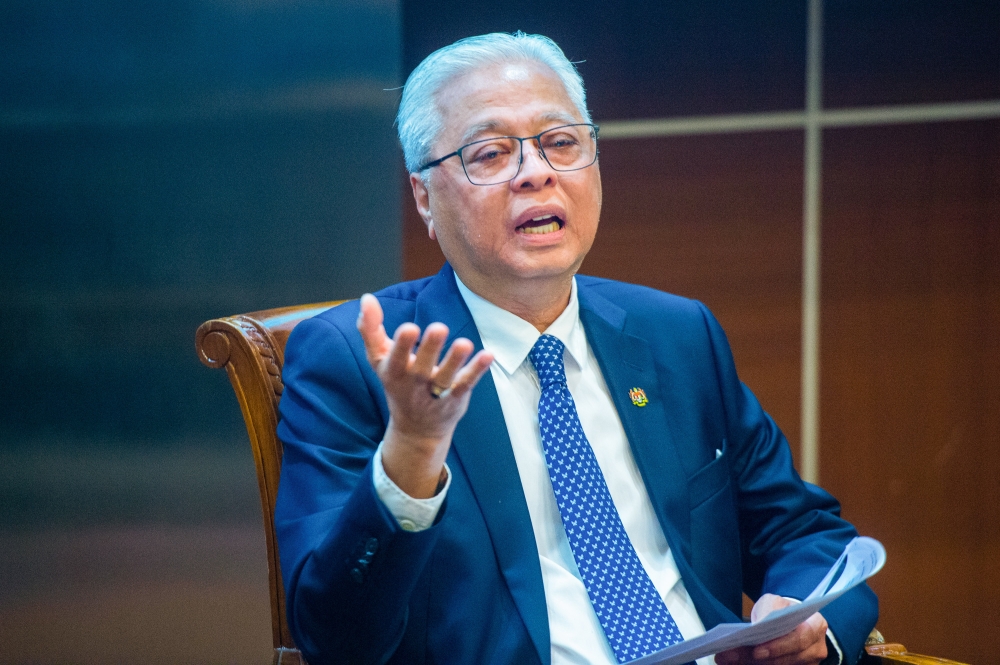
Former Prime Minister Datuk Seri Ismail Sabri Yaakob has completed a pacemaker implantation procedure and is reported to be in stable condition, according to updates from Institut Jantung Negara (IJN), the country's leading cardiac care facility. The surgical intervention, which took place in early August, represents a significant health milestone for the senior political figure who previously held the nation's highest executive office.
The pacemaker installation represents a routine yet important cardiac intervention for individuals experiencing irregular heartbeat patterns or compromised electrical conduction within the heart. This device, once implanted beneath the skin near the collarbone, works to regulate the heart's rhythm by delivering electrical impulses as necessary. For many patients, such procedures become medically necessary when the heart's natural pacemaker function deteriorates, potentially leading to symptoms such as fatigue, dizziness, or shortness of breath. The decision to proceed with implantation typically follows comprehensive diagnostic testing and consultation between cardiologists and the patient.
IJN, situated in Kuala Lumpur, maintains its standing as Malaysia's premier cardiac institute and treats thousands of patients annually across the full spectrum of heart and cardiovascular conditions. The institution has developed considerable expertise in both emergency cardiac interventions and elective procedures including pacemaker implantations. Medical staff at IJN emphasised that the procedure was executed according to established clinical protocols and that post-operative monitoring indicates favourable progress. The surgical team's successful completion of the intervention underscores the capability of Malaysian healthcare institutions to deliver world-class cardiac care.
Ismail Sabri's tenure as Prime Minister, which lasted from August 2021 to November 2022, came during a politically turbulent period marked by shifting coalition dynamics and economic headwinds facing the nation. Since leaving office, he has maintained an active presence within United Malays National Organisation (UMNO) and continues to engage in parliamentary and party affairs. His ongoing health management is thus relevant not only to his personal wellbeing but also to broader considerations regarding the active participation of senior political figures in Malaysia's governance structures.
The successful completion of any major surgical procedure, particularly one involving the cardiovascular system, typically necessitates a careful recovery and rehabilitation phase. Patients typically require activity modifications during the initial weeks following pacemaker implantation to permit proper device integration and wound healing. Regular follow-up appointments and device monitoring through specialist clinics become integral components of long-term care, ensuring the device functions optimally and detecting any potential complications early. Medical professionals generally advise gradual return to normal activities under appropriate clinical guidance.
For Malaysian readers and observers of political developments, health updates regarding senior government figures carry particular significance. The functioning of political institutions depends substantially upon the health and capacity of key office-holders and senior parliamentarians. Transparent communication regarding the health status of former and current political leaders contributes to public confidence in governance. IJN's willingness to provide medical updates reflects the balance between respecting patient privacy and acknowledging legitimate public interest in the health of prominent national figures.
The incident also highlights the importance of preventive and early-intervention cardiology in Malaysia's healthcare system. As the nation's population continues to age and lifestyle-related risk factors for cardiovascular disease become increasingly prevalent, the demand for both acute cardiac services and planned interventions such as pacemaker implantations is expected to rise. Public and private healthcare sectors will need to maintain adequate capacity and expertise to meet these evolving needs effectively.
Fromm a broader Southeast Asian perspective, Malaysia's cardiac care capabilities compare favourably with regional peers. The success of complex procedures such as pacemaker implantation at specialist institutions like IJN demonstrates that Malaysian patients requiring advanced cardiac interventions can access high-quality treatment domestically rather than seeking care abroad. This capacity not only benefits residents but also contributes to medical tourism and the international reputation of Malaysian healthcare providers.
The positive outcome reported by medical authorities provides reassurance regarding Ismail Sabri's health trajectory and capacity for continued engagement in public and parliamentary activities. Recovery timelines for pacemaker implantation vary among individuals, though most patients report significant symptom improvement following the procedure. Assuming standard post-operative progress, former leaders undergoing such interventions typically resume their accustomed level of activity within weeks to months, depending on the demands of their respective roles and medical recommendations.
Moving forward, continued monitoring and specialist follow-up care will remain essential components of Ismail Sabri's health management. Modern pacemaker technology has evolved considerably, with devices now offering sophisticated features including remote monitoring capabilities that allow cardiologists to assess device function and patient wellbeing without requiring office visits. These technological advances enhance patient safety and quality of life substantially while reducing unnecessary clinic attendance for routine checks.
The successful completion of this procedure serves as another reminder of Malaysia's medical achievements and the dedication of healthcare professionals at institutions like IJN. For the broader Malaysian population, developments in cardiac care and the demonstrated expertise of local specialists provide confidence in the sustainability and quality of healthcare provision across the nation. The case also underscores why maintaining investment in specialised medical facilities and ensuring they remain well-staffed and equipped with current technology remains essential for public health outcomes.

