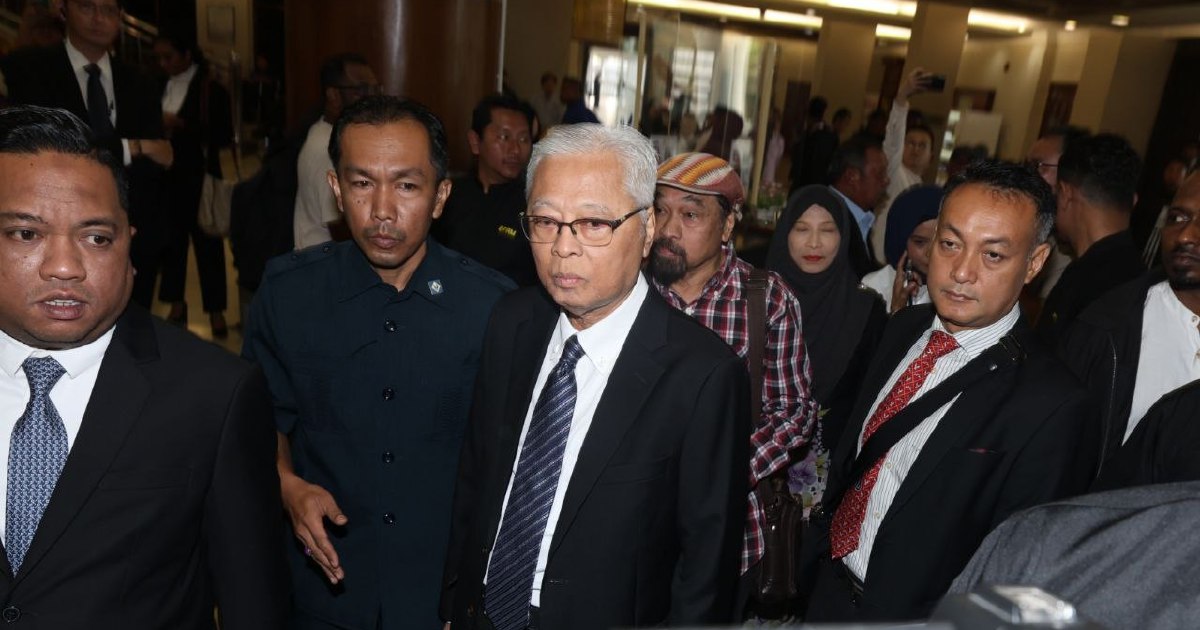
Former Prime Minister Datuk Seri Ismail Sabri Yaakob appeared at the Sessions Court in Kuala Lumpur today, marking a significant moment in an ongoing legal proceeding that has drawn considerable public attention. The court appearance is anticipated to result in formal charges being preferred against him, stemming from allegations that he did not properly disclose his assets in accordance with legal requirements.
The matter has become increasingly scrutinised given Ismail Sabri's prominent position in Malaysian politics, having served as Prime Minister until November 2022. His tenure was marked by economic challenges and political upheaval, and his subsequent legal troubles have continued to dominate headlines as the nation grapples with broader questions of governance and accountability among its leadership.
Asset declaration requirements form a critical component of Malaysia's administrative framework designed to ensure transparency and prevent conflicts of interest among public officials. These regulations mandate that individuals holding certain positions maintain comprehensive records of their wealth, property holdings, and financial interests. The failure to comply with such declarations can result in serious legal consequences, including criminal charges that may lead to fines, imprisonment, or both.
The charges against Ismail Sabri represent part of a wider pattern of increased scrutiny of former and current political figures in Malaysia. Over recent years, multiple prominent politicians have faced legal action ranging from corruption allegations to financial impropriety, reflecting evolving enforcement efforts by Malaysian authorities and heightened public demand for accountability within the political establishment.
For Malaysian observers, the case exemplifies the tension between political privilege and legal accountability. While former officials have traditionally enjoyed considerable latitude in their personal financial arrangements, contemporary society and institutions increasingly demand the same standards of disclosure and transparency applied to both public and private sectors. The legal proceedings signal a potential shift in how Malaysia's judicial system addresses misconduct by high-ranking government officials.
The implications extend beyond Ismail Sabri himself, setting potential precedents for how similar violations may be prosecuted in future cases. Courts must balance considerations of political implications against principles of equal application of law, a delicate exercise that attracts scrutiny from multiple stakeholders including the public, media, civil society organisations, and international observers monitoring Malaysia's governance standards.
From a regional perspective, Malaysia's handling of such cases influences perceptions of institutional independence and the rule of law throughout Southeast Asia. Countries across the region increasingly reference one another's judicial approaches to high-profile political cases when evaluating their own systems, making domestic proceedings carry implications that extend beyond national boundaries.
The asset declaration framework itself reflects Malaysia's efforts to align with international standards on transparency and anti-corruption measures. Most developed democracies maintain similar requirements for public officials, and emerging markets increasingly adopt comparable systems as a demonstration of governance commitment. Malaysia's enforcement of these rules thus signals the country's positioning within global conversations about accountability and institutional strength.
For citizens and political observers, the proceedings represent an opportunity to assess how the Malaysian court system handles cases involving individuals of significant political stature. Questions about judicial independence, potential political interference, and the consistency of enforcement across different segments of society remain pertinent considerations as the case develops.
The broader context includes Malaysia's history of political transitions and internal party dynamics, particularly within UMNO, to which Ismail Sabri belongs. His legal troubles occur amid ongoing factional competitions within the party and broader coalition government alignments, adding layers of political complexity to what is formally a legal matter.
Looking forward, the court's handling of this case will likely influence perceptions of Malaysia's commitment to transparent governance and the principle that no individual, regardless of previous political position, remains above the law. The Sessions Court proceedings are expected to unfold over coming weeks or months, with outcomes carrying significance for Malaysian democracy, regional governance standards, and the broader trajectory of political accountability in Southeast Asia.
Stakeholders ranging from government institutions to international observers will closely monitor the proceedings' progression, verdicts rendered, and any sentences imposed, as these elements collectively shape understanding of Malaysia's institutional maturity and dedication to equitable application of legal frameworks.

