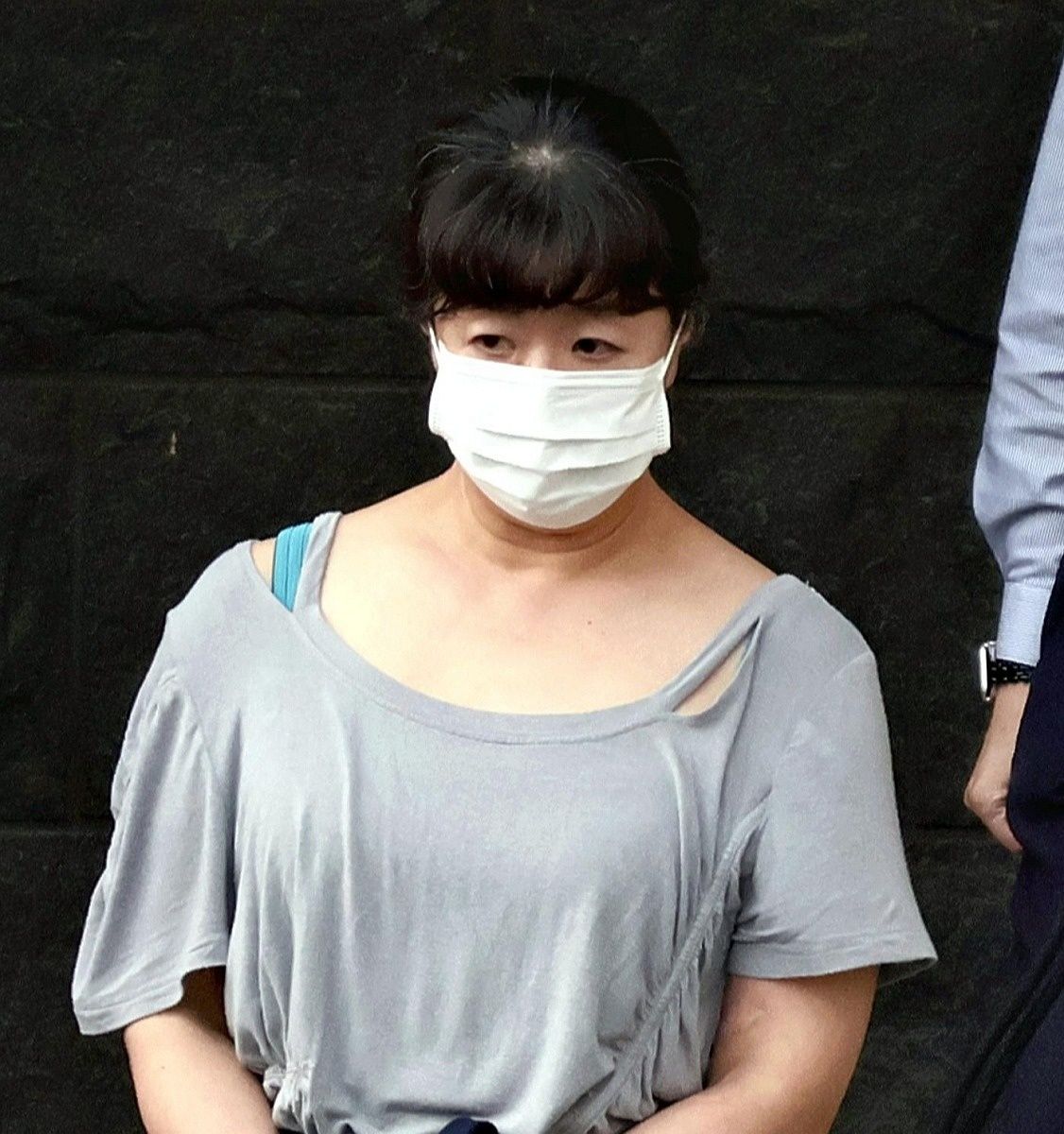
A 51-year-old former nurse in Japan's Chiba Prefecture has been taken into custody following allegations that she deliberately contaminated a patient's intravenous line with faecal matter, resulting in his death from organ failure. The arrest of Miyuki Furukawa, a resident of Kashiwa, came on Wednesday, July 15, as investigators probed what authorities describe as an extraordinary breach of medical ethics and patient care standards.
The victim, Eiji Aida, aged 75, was receiving treatment at Kashiwa Tanaka Hospital when his condition suddenly deteriorated in the early hours of January 30. According to police records, Furukawa, then employed as the head nurse during the night shift, is believed to have introduced contaminated material into the extension tube of his intravenous drip at approximately 3.55am. Aida's health rapidly worsened over the following hours, and he was pronounced dead just before 10.30pm the next day. Medical examination determined that multiple organ failure triggered by severe sepsis—a life-threatening inflammatory response to infection—was the cause of death. Laboratory analysis of the patient's blood revealed the presence of bacteria characteristic of human faecal matter.
The investigation began when a fellow hospital staff member noticed discolouration inside the extension tube of Aida's IV line. This colleague reported her observations to Kashiwa Police on February 1, expressing concern that an unknown substance had been introduced into the medical equipment. The alert from the hospital worker became the critical first step in unravelling what investigators would later characterise as a deliberate act of harm. Security camera footage from the hospital subsequently corroborated Furukawa's movements in and out of the patient's room during the relevant timeframe.
While Furukawa has denied the allegations against her, claiming she did not insert any faecal matter into the IV tube, police investigators uncovered evidence suggesting a possible motive. Preliminary inquiries revealed that Furukawa and Aida had previously engaged in a dispute. More significantly, digital records showed that Furukawa had conducted searches on her smartphone for the phrase "faeces injection — Will [he] die?" during what authorities characterise as the planning phase of the alleged crime. This search history would later become a crucial piece of circumstantial evidence in the case against her.
The timing of Furukawa's departure from Kashiwa Tanaka Hospital is also noteworthy in the investigative timeline. She resigned from her position at the end of February, approximately one month after Aida's death and days after the hospital staff member had reported the contaminated IV line to police. At the time of her arrest, Furukawa was employed as a midwife at a separate medical facility in Tokyo, a role that would have provided her continued access to vulnerable patients had the investigation not progressed.
The case has exposed potential vulnerabilities in hospital security and monitoring protocols, particularly during night shifts when staffing levels are typically reduced and oversight may be less intensive. The fact that a nurse in a position of trust and authority could allegedly carry out such an act raises serious questions about background checks, psychological screening, and the implementation of safeguards to prevent tampering with patients' medical equipment. The Japanese healthcare system, generally regarded as one of the world's most reliable, now faces scrutiny regarding its internal control mechanisms.
Aoikai, the organisation that operates Kashiwa Tanaka Hospital, released a statement expressing horror at the alleged conduct and pledging full cooperation with investigators. The hospital's leadership characterised the suspected actions as fundamentally incompatible with both professional medical standards and basic human decency. For a healthcare provider to publicly acknowledge such a serious breach of the duty to care represents a significant institutional reckoning with the gravity of what transpired within its walls.
Chiba prefectural police continue their investigation into Furukawa's underlying motive and the full circumstances surrounding the incident. Investigators are reportedly exploring whether other potential victims may have been affected by similar conduct or whether this was an isolated incident. The case also raises broader questions about the psychological fitness of healthcare workers and whether warning signs of instability might have been detected through enhanced screening or workplace wellness programmes.
For Malaysian and Southeast Asian healthcare observers, the case serves as a sobering reminder that even well-developed medical systems are not immune to internal threats posed by individuals in positions of trust. The incident highlights the importance of robust incident reporting mechanisms, vigilant peer oversight, and the willingness of healthcare workers to speak up when they observe suspicious activity. Regional hospitals may benefit from reviewing their own protocols for monitoring staff conduct around sensitive areas such as medication administration and critical equipment maintenance.
The alleged crime also underscores the vulnerability of elderly and hospitalised patients, who depend entirely on their caregivers for protection and proper medical treatment. Aida's death—resulting from complications deliberately introduced rather than from his underlying condition—represents a profound betrayal of the fundamental trust between patient and medical provider. As the legal process unfolds in Japan, the case will likely influence how healthcare institutions across Asia approach staff vetting, workplace monitoring, and the creation of safety cultures where observant employees feel empowered to report irregularities without fear of dismissal or retaliation.

