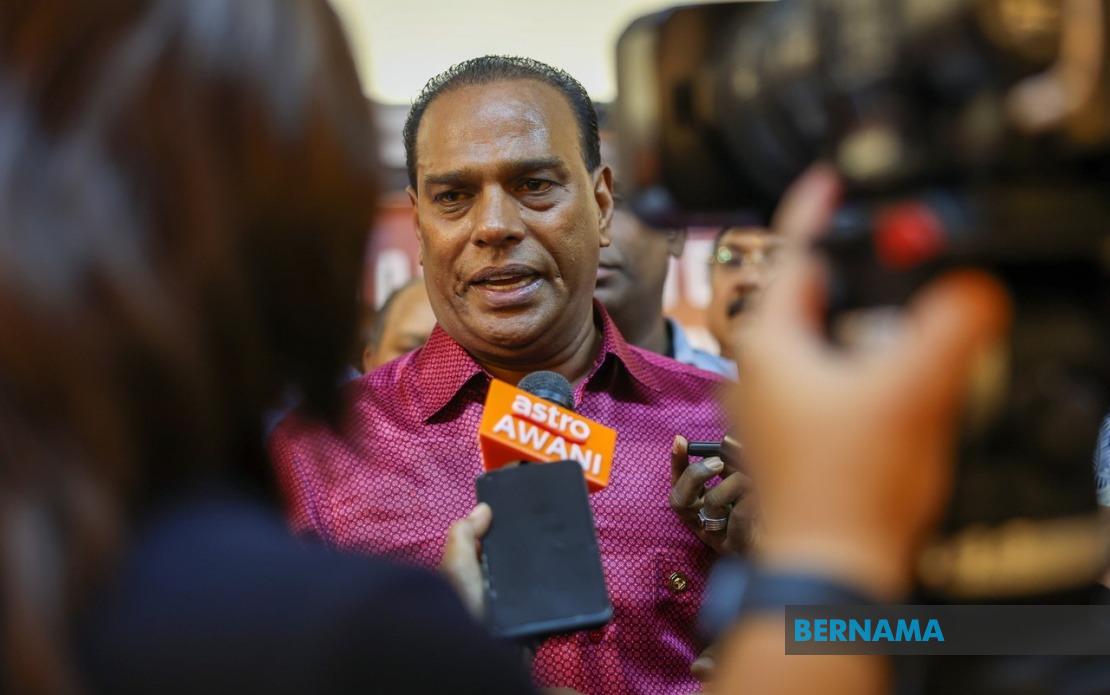
Datuk Seri M. Saravanan, the former Human Resources Minister and deputy president of the Malaysian Indian Congress, has declared his readiness to face court proceedings scheduled for tomorrow at the Sessions Court in Kuala Lumpur. The Tapah MP made the announcement through a video message circulated to media, signalling his willingness to confront the legal challenge directly despite the complexities surrounding the case against him.
The charges relate to allegations concerning the recruitment of foreign workers during the height of the COVID-19 pandemic in 2022, a period marked by significant restrictions on labour movement and heightened scrutiny of immigration procedures. According to Saravanan's statement, the accusations stemmed initially from a third-party statement made by an individual who has since deceased. This development introduces an unusual procedural element, as the primary source of the allegations is no longer available to provide testimony or clarification, potentially complicating the prosecution's case significantly.
In a notable twist to the proceedings, the individual who originally made the statement linking Saravanan to the allegations executed a Statutory Declaration approximately two months before his death, formally withdrawing the accusations previously levelled against the former minister. This reversal raises substantial questions about the foundation upon which the charges are being pursued, as the credibility and reliability of the original allegations have been explicitly repudiated by the declarant himself through legal means.
Saravanan has categorically denied any relationship with the deceased individual, emphasising that he maintained no contact through telephone communication or messaging services. This assertion underscores the alleged basis for the accusations, suggesting that the link between Saravanan and the foreign worker hiring issue rests on tenuous ground. The former minister's emphasis on this point indicates his legal strategy centres on demonstrating the absence of direct connection to the allegations.
The Malaysian Anti-Corruption Commission issued a media invitation today announcing that a former minister would face charges under Section 16 of the MACC Act 2009. These provisions address conduct related to soliciting, receiving, giving, promising, or offering bribes. The specific legal framework under which Saravanan is being prosecuted carries significant implications, as corruption-related charges typically attract substantial penalties and can result in imprisonment, fines, or both.
Saravanan's legal team has prepared a strategic approach for tomorrow's proceedings, with plans to file an application requesting expedited trial proceedings. This move suggests a proactive defence strategy aimed at resolving the matter swiftly rather than allowing it to languish in the judicial system. Accelerated trial processes can sometimes work in favour of defendants when the evidentiary foundation is questioned or when the passage of time weakens the prosecution's position.
The case carries broader implications for Malaysia's political landscape, particularly regarding accountability mechanisms surrounding foreign worker policy during crisis periods. The COVID-19 pandemic disrupted normal labour recruitment processes, and scrutiny has intensified regarding how various government officials managed hiring protocols and worker welfare during this challenging period. The proceedings against Saravanan may ultimately reflect judicial examination of governance decisions made under pandemic pressures.
For Malaysian business interests and human resources practitioners, this case resonates significantly. The foreign worker recruitment sector constitutes a critical component of Malaysia's economic infrastructure, particularly in manufacturing, construction, and service industries. Legal scrutiny of recruitment practices, especially at ministerial level, sends important signals about regulatory expectations and compliance standards for employers engaging migrant labour.
The timing and circumstances of these charges warrant consideration within Southeast Asia's broader anti-corruption environment. Malaysia has positioned itself as pursuing robust anti-corruption enforcement through institutions like the MACC, and high-profile cases involving former government figures demonstrate commitment to this agenda. However, the evidential challenges apparent in this matter—including the withdrawal of allegations by the primary witness before his death—may test public confidence in the robustness of the prosecution's approach.
Saravanan's willingness to proceed with the trial represents a departure from some political figures who have sought delays or procedural extensions when facing legal challenges. His emphasis on defending himself according to law and his readiness to present his case suggest he views the evidence against him as insufficient to warrant conviction. The court's reception of his application for expedited proceedings tomorrow will provide initial indication of how the judicial process might unfold.
The Sessions Court hearing tomorrow will attract significant attention from media, political observers, and civil society organisations tracking Malaysia's anti-corruption efforts. The outcome could influence broader perceptions regarding the impartiality and rigour of anti-corruption institutions, particularly when proceeding with cases involving deceased witnesses and withdrawn allegations. Whether the court approves accelerated proceedings and how comprehensively it examines the evidentiary foundation will shape the trajectory of this legal matter.

