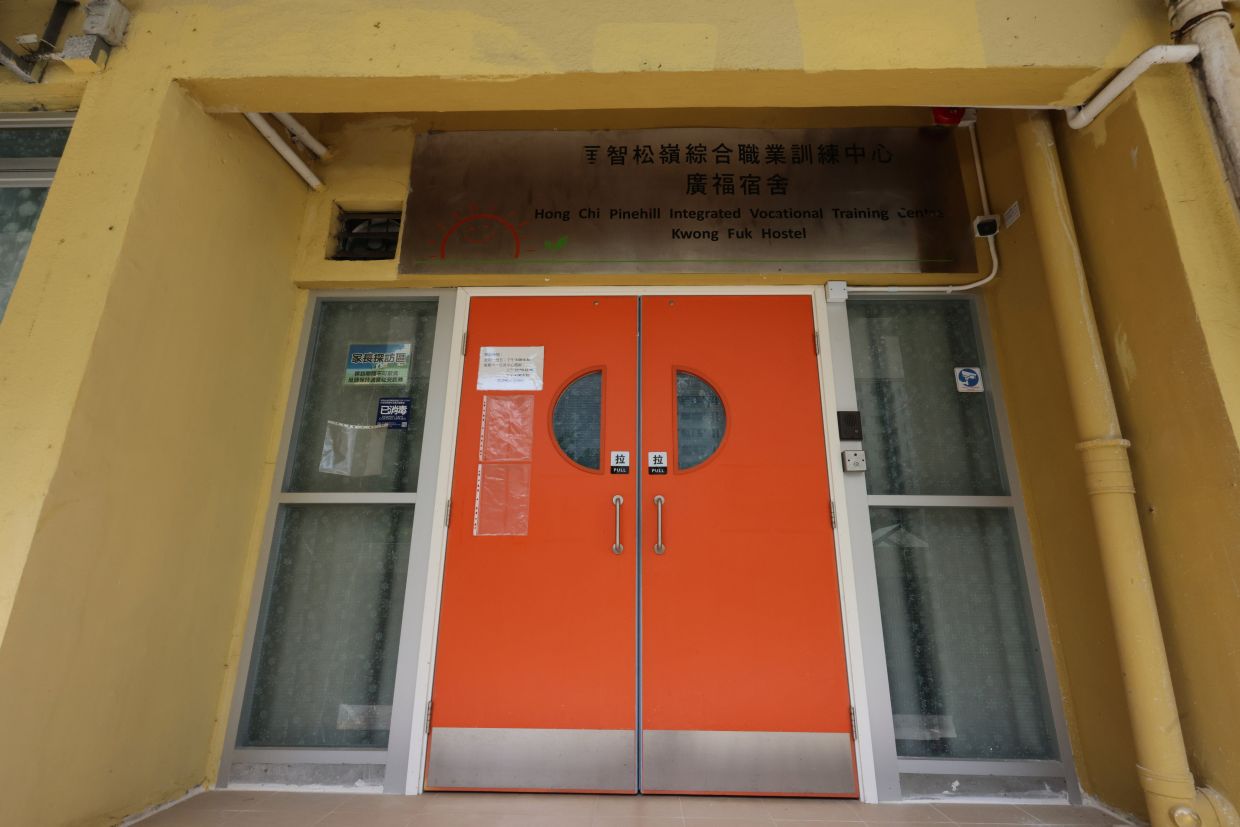
A man who previously worked as an assistant warden at an intellectual disability residential facility in Hong Kong faces serious criminal charges stemming from alleged sexual assaults committed against a vulnerable resident. Chung Pui-kei stands accused of five counts of rape involving a mentally incapacitated woman who resided at a Tai Po home operated by the Hong Chi Association, with the alleged offences occurring across July and August 2024.
The case, now proceeding through Hong Kong's High Court under Judge Douglas Yau Tak-hong, highlights persistent concerns about safeguarding in institutions caring for people with significant cognitive disabilities. Prosecutor Human Lam Hiu-man presented opening arguments on Friday, detailing how the alleged victim, referred to as X in court proceedings, has been assessed as having the cognitive capacity of a nine-year-old child despite being 23 years chronologically. This substantial gap between chronological and developmental age fundamentally shaped how the relationship between accused and victim functioned within the care environment.
According to court testimony, Chung cultivated trust with the woman through seemingly benign interactions that exploited her intellectual limitations. The prosecutor described how he would initiate conversations, engage her in video games including Mario Kart, and offer small treats such as marshmallows—gestures that, while appearing innocent on their surface, created a framework within which serious abuse allegedly occurred. For someone operating at the developmental level of a nine-year-old, such attention from an authority figure working at the facility would naturally appear as genuine friendship rather than predatory behaviour.
The alleged incidents unfolded in two distinct locations within the facility's physical spaces. Three of the five rapes reportedly took place in the male staff rest room, while two others occurred in the woman's own residential room. The choice of locations suggests a calculated approach to accessing the victim while minimising detection, exploiting both the layout of the institution and her lack of ability to resist or report effectively. Evidence presented includes surveillance footage and video-recorded police interviews with the complainant, providing contemporaneous documentation of her account.
The victim's testimony, as described by the prosecutor, indicates she experienced physical pain during the assaults and attempted to communicate discomfort in various ways. She reportedly told Chung no on several occasions and verbally expressed her distress, yet her protests went unheeded. In other instances, she remained silent, apparently motivated by fear of facing reprimands from the accused—a dynamic that underscores how institutional power imbalances can silence victims even as they attempt to resist abuse. This pattern of partial resistance coupled with silencing fear reflects common trauma responses in cases involving significant cognitive disability.
Physical evidence recovered during the police investigation corroborates aspects of the allegations. Investigators discovered condoms and related items stored in a locker within the male staff area, suggesting premeditation or at minimum awareness that such materials might be needed. Most significantly, forensic examination identified a bedsheet from the woman's room containing both the defendant's semen and her DNA, providing biological evidence consistent with the alleged sexual contact.
Medical professionals have been called to establish the victim's mental and cognitive condition, providing expert context for understanding her vulnerability and capacity to consent. Psychiatrist Lydia Lam Yi-ngar from Tai Po Hospital testified regarding the woman's mental health history, noting hospitalisation periods in 2018 and 2021 for psychiatric conditions. She has been diagnosed with bipolar affective disorder, though the psychiatrist testified that the woman remained stable on medication and showed no signs of post-traumatic stress disorder during assessments conducted in August and November 2024, several months after the alleged incidents.
The defence strategy appears to challenge the reliability of the victim's perception and recollection. Defence counsel Lawrence Hui Cheuk-lun questioned whether medication non-compliance could lead to hallucinations affecting facial recognition—a line of inquiry seemingly directed at undermining the victim's identification of the accused. However, the psychiatrist countered that the specific medication the woman took, valproate sodium, does not produce hallucinations as a side effect, and blood tests confirmed she had maintained appropriate dosage levels during the relevant period.
This case carries profound implications for institutional safeguarding across Hong Kong and the wider region. Care facilities housing intellectually disabled residents must grapple with the reality that abuse can occur within systems specifically designed to provide protection. The alleged perpetrator occupied a position of authority and trust, fundamental to his ability to exploit the victim. Such incidents raise questions about staff vetting procedures, supervision protocols, and the adequacy of mechanisms through which vulnerable residents can report concerns.
The trial also underscores challenges in prosecuting sexual assault cases involving cognitively disabled victims. Courts must carefully balance the victim's diminished cognitive capacity against the need to establish reliable evidence, a balance that requires expert testimony and careful examination of physical evidence. The prosecution's reliance on video-recorded interviews, surveillance footage, and forensic evidence reflects recognition that the victim's direct testimony alone may face credibility challenges, necessitating corroborating material.
For Malaysia and Southeast Asia more broadly, this case serves as a cautionary reminder of vulnerabilities within disability care systems. As regional economies develop and institutional care options expand, corresponding investments in oversight, staff training, and victim protection mechanisms must accompany facility growth. The Hong Kong case demonstrates that adequate medical evidence collection and professional assessment protocols are essential for ensuring justice can be pursued even when victims face significant communication and cognitive barriers.
Clinical psychologist Wong Yik-tung from Hong Kong's Social Welfare Department was scheduled to continue providing evidence regarding the victim's intellectual capacity assessment at the trial's continuation, further establishing the foundation for understanding how the victim's cognitive limitations rendered her unable to provide informed consent to any sexual contact.

