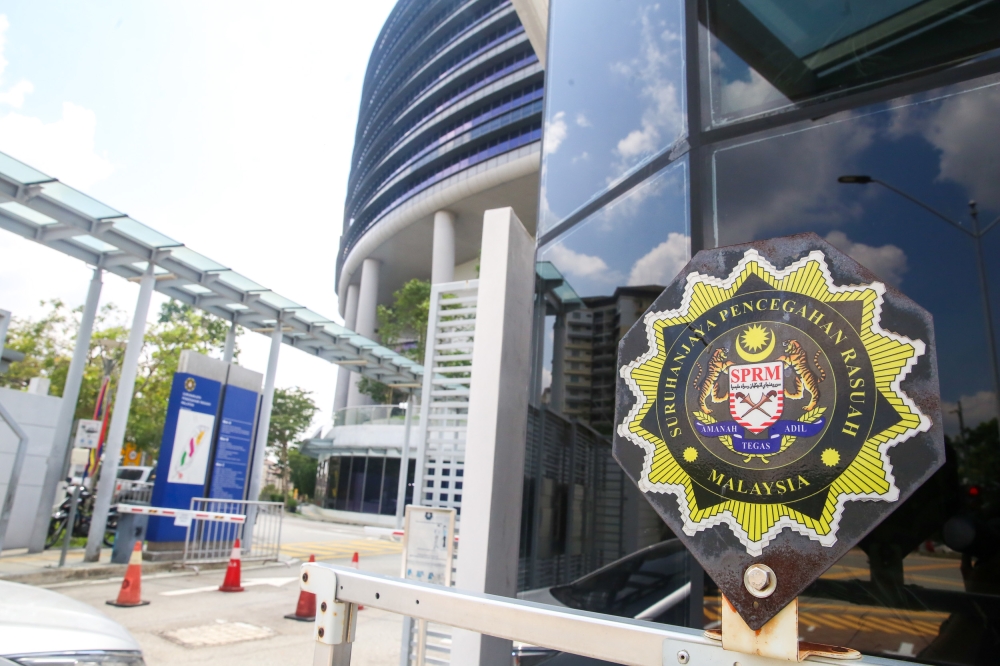
A former government employee has been arrested by the Kuala Lumpur Malaysian Anti-Corruption Commission (MACC) on allegations of orchestrating a sophisticated fraud scheme involving the misappropriation of state aid funds. The suspect, currently in four-day remand, allegedly exploited the personal details of 11 individuals to submit applications for various government assistance programmes, ultimately siphoning approximately RM300,000 into his own accounts.
The case represents a significant breach of public trust within Malaysia's civil service infrastructure. The accused individual, having previously held a position within government administration, possessed intimate knowledge of bureaucratic procedures and aid distribution systems. This insider access apparently enabled him to navigate application processes with sufficient credibility to evade initial scrutiny, highlighting potential vulnerabilities in existing fraud detection mechanisms within aid disbursement channels.
Authorities suspect the individual targeted government welfare and assistance schemes designed to support vulnerable populations. By systematically registering false claims under the identities of unsuspecting citizens, the suspect created a paper trail sufficiently convincing to pass through administrative checks. The sheer number of fraudulent applications—spanning 11 separate individuals—suggests this was not an opportunistic crime but rather a calculated, methodical operation conducted over an extended period.
The detention period granted to MACC investigators provides crucial time to unravel the full extent of the conspiracy. Forensic examination of financial records, documentation trails, and communication records will likely reveal whether other accomplices were involved in facilitating the scheme. The scale of the alleged fraud indicates the suspect may have maintained systematic records of victim identities, application details, and fund transfers that investigators must now piece together.
This case illuminates persistent weaknesses in Malaysia's aid administration systems, particularly regarding identity verification and cross-referencing mechanisms. While government agencies have implemented various digital systems, the continued success of identity-based fraud suggests gaps remain between different databases and verification platforms. The case raises questions about whether civil servants conducting initial application reviews had adequate training to identify suspicious patterns or whether they were adequately resourced to perform thorough background checks.
For Malaysian citizens, the revelations carry troubling implications regarding the security of personal information held within government systems. The 11 victims discovered so far had their identities compromised, yet the mechanism by which the suspect obtained their details remains a critical investigative focus. Whether he accessed this information through legitimate government databases, phishing schemes, or other means will determine whether wider cybersecurity protocols require urgent revision.
The financial magnitude—RM300,000—represents substantial public resources diverted from intended beneficiaries. Government assistance programmes form a critical safety net for lower-income households, pensioners, and vulnerable groups. When fraudsters successfully exploit these systems, genuine applicants face consequences including potential delays in benefit processing, increased administrative scrutiny that may deter legitimate claims, and reduced public confidence in programme integrity.
This incident underscores the importance of MACC's mandate in investigating corruption within public administration. Beyond obvious criminal conduct, the case demonstrates how insider positions can be weaponised to circumvent safeguards designed specifically to prevent such abuses. The fact that a former civil servant possessed sufficient understanding of systems to perpetrate such fraud suggests that internal control mechanisms may require substantial strengthening.
The investigation's progression will likely result in recommendations for systemic reforms across aid distribution agencies. These may include enhanced identity verification protocols, mandatory cross-database verification for all aid applications, improved training for civil servants processing claims, and whistleblower mechanisms encouraging reporting of suspicious activities. The case may also prompt inter-agency coordination improvements, ensuring that databases maintained by different government departments communicate effectively to prevent identity duplication across multiple programmes.
Sector observers anticipate that successful prosecution will send deterrent signals to other potential fraudsters within the civil service. However, the incident's revelation also highlights the necessity for proactive rather than reactive approaches. Rather than relying on post-fraud detection, agencies should implement real-time monitoring systems capable of flagging applications exhibiting patterns consistent with fraud, such as multiple submissions from a single individual using different identities within compressed timeframes.
The broader implications for Southeast Asia's governance standards deserve consideration. Many regional governments face similar challenges balancing efficient aid delivery with robust fraud prevention. Malaysia's response to this case, both in prosecution and subsequent systemic reforms, may influence how neighbouring nations approach their own administration frameworks. The investigation's findings regarding how an insider exploited government processes could prove valuable for regional knowledge-sharing on anti-corruption best practices.
Looking forward, the case serves as a potent reminder that corruption threats originate not only from external actors but from individuals occupying positions of institutional trust. Strengthening civil service integrity through enhanced vetting procedures, conflict-of-interest declarations, and integrity training becomes increasingly critical as government systems become more sophisticated and handle larger resource allocations.

