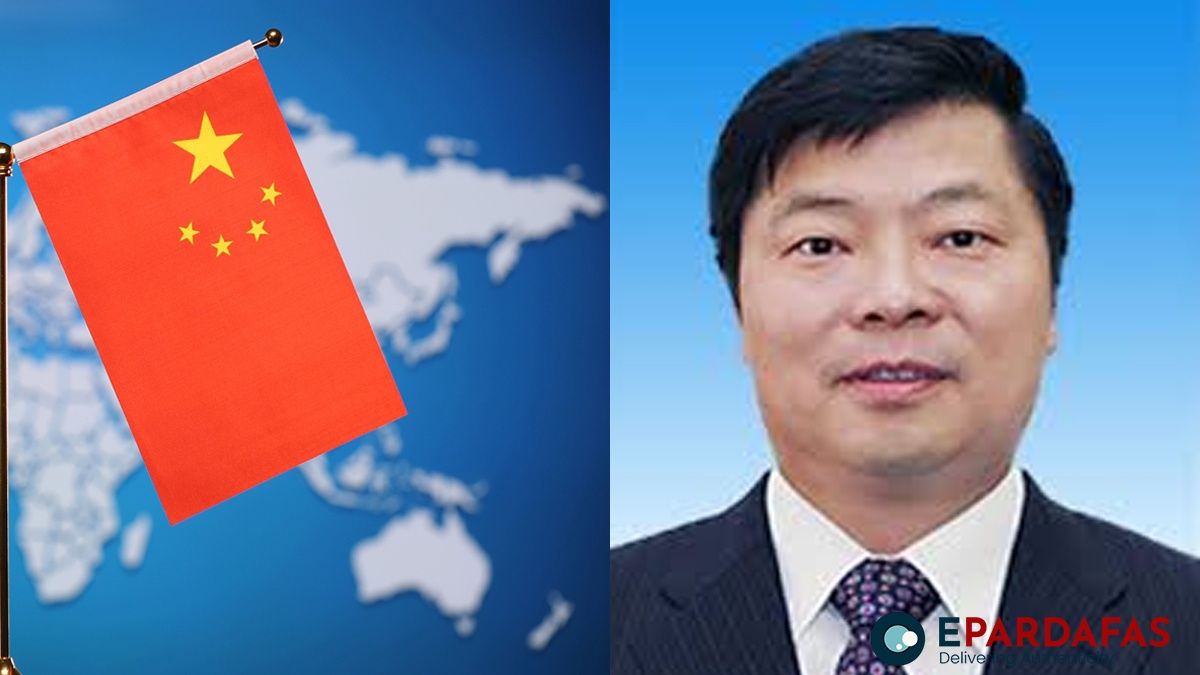
Beijing's top anti-graft watchdog announced the investigation into Ouyang Weimin, the former president of the China Development Bank, on Sunday. The Central Commission for Discipline Inspection confirmed it was jointly examining the case alongside the National Commission of Supervision, though officials provided minimal detail about the specific allegations involved. The sparse official statement underscores the opaque nature of China's internal party investigations, where suspects often remain publicly silent for extended periods.
Ouyang's career trajectory reflects the interconnected nature of China's state financial apparatus. He entered the Communist Party in 1986 and built his early professional foundations at the People's Bank of China, the country's central banking authority. His trajectory through the monetary and development finance sectors positioned him within a powerful elite of technocrats managing China's economic architecture.
The appointment of Ouyang to lead the China Development Bank in 2019 represented a significant promotion within China's bureaucratic hierarchy. As both president and deputy party secretary of the institution, he held dual authority over both administrative and party functions—a configuration typical of senior roles in state-owned enterprises. His tenure lasted until 2023, when he relinquished the presidency, though official records initially did not specify the circumstances surrounding his departure.
Ouyang's previous role as vice-governor of Guangdong province offered exposure to one of China's most economically dynamic regions. The province's proximity to Hong Kong and its status as a special economic zone gave it outsized importance in China's development strategy. Service in such a prominent provincial role typically precedes advancement to national-level positions, and Ouyang's subsequent appointment to the China Development Bank reflected this career progression.
The China Development Bank itself occupies a strategic position within China's financial infrastructure. Established in 1994, the institution functions as a state-owned development finance vehicle directly accountable to the State Council, China's executive authority. Rather than pursuing conventional commercial banking objectives, the institution channels capital toward advancing Beijing's economic priorities, including investment in strategic industries and support for less developed regions lacking sufficient market-driven financing.
The investigation into Ouyang arrives as part of a sustained anti-corruption campaign that has characterized the governance approach under President Xi Jinping. Since assuming power, Xi has initiated what officials describe as a sweeping effort to eliminate graft and misconduct across the party and military structures. The campaign has brought significant officials, regional governors, and senior military commanders under investigation or prosecution, though external observers note the drives have frequently coincided with removals of potential political rivals or challengers to Xi's authority.
For Southeast Asian observers, particularly Malaysian stakeholders engaged in economic partnerships with China, such investigations carry broader implications. The China Development Bank serves as a critical financing mechanism for Chinese investments across Asia, including infrastructure projects, resource extraction ventures, and industrial development. Leadership changes and investigations at this level can influence the institution's strategic priorities, project approval timelines, and the tenor of financial relationships with regional partners.
The simultaneous oversight by both the discipline commission and supervision commission indicates a serious proceeding. The dual-agency involvement suggests potential violations spanning both party conduct standards and broader legal frameworks, though the terse official announcement reveals nothing specific about the nature of the suspected infractions. Ouyang's investigative case may involve allegations ranging from embezzlement and corruption to abuse of authority or violations of party regulations.
The timing and scope of anti-graft campaigns in China often reflect shifts in factional dynamics within the Communist Party leadership. While officials consistently frame these efforts as principled responses to widespread misconduct, independent analysts argue the campaigns also serve tactical purposes within the party's internal power structure. Understanding this context becomes essential for foreign governments and enterprises assessing the stability and continuity of China's policy direction and institutional leadership.
Ouyang's case exemplifies the vulnerability of even senior officials within China's political system. Despite his prominent positions and lengthy tenure in state institutions, investigation by top-level anti-corruption bodies can rapidly alter an official's circumstances. The investigation does not necessarily conclude with immediate legal charges; preliminary inquiries can extend over months, during which suspects face restrictions on movement and communication.
For Malaysian policymakers monitoring China's development finance activities in the region, such leadership transitions warrant attention. The China Development Bank's involvement in Belt and Road Initiative projects and bilateral development financing means that personnel changes at its apex influence the trajectory of cooperative arrangements. Continuity in leadership and institutional direction affects the reliability and terms of financial partnerships that Malaysian enterprises and government agencies may pursue.
The investigation also underscores the continuing central role that anti-corruption enforcement plays in Xi Jinping's broader governance strategy. Unlike previous administrations, where anti-graft campaigns might eventually conclude or moderate, Xi's approach has institutionalized corruption investigations as a permanent feature of political management. This sustained pressure within the elite creates an environment where even accomplished technocrats can suddenly face scrutiny, potentially influencing decision-making behavior and risk appetite among senior officials.

