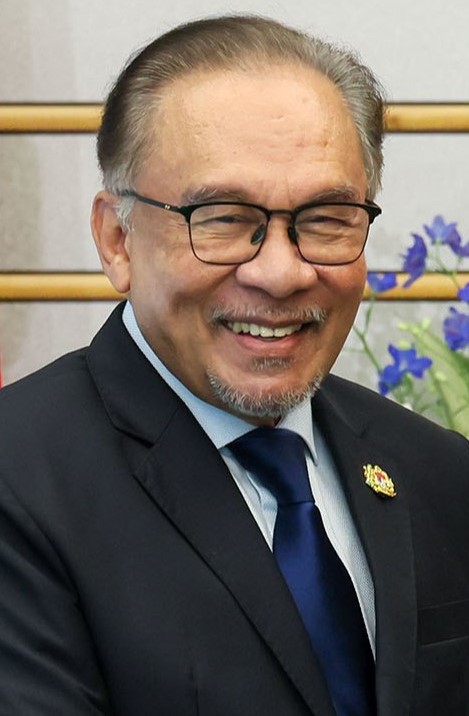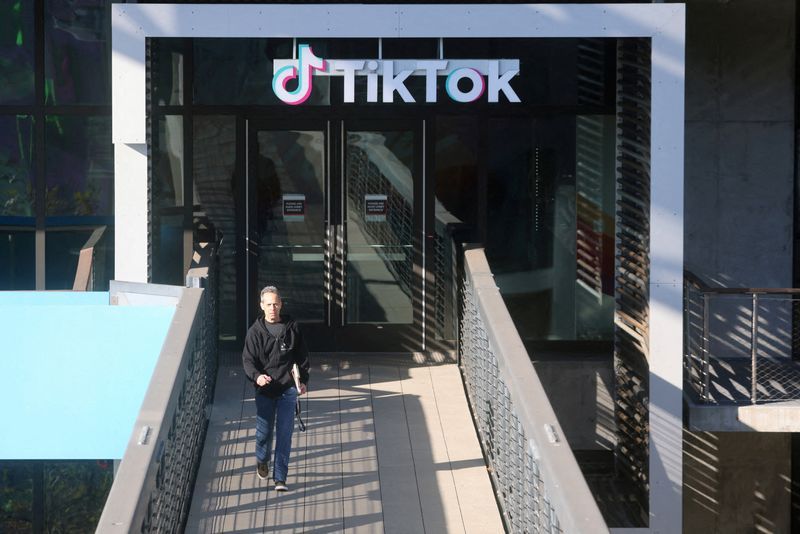
Florida Attorney General James Uthmeier, a Republican, filed a lawsuit against TikTok in St. Lucie County state court on Monday, alleging the platform breaches a state law designed to protect minors. The filing contends that TikTok knowingly allows underage users on its platform and misrepresents the extent of violent and sexual material they may encounter.
Uthmeier stated that TikTok deliberately misleads parents while enabling children to access inappropriate content, directly contravening Florida law. "We have zero tolerance for companies that prioritize profit over children's safety," the attorney general said. The lawsuit requests a court order requiring TikTok, owned by ByteDance, to implement necessary changes to comply with state regulations, along with monetary compensation.
TikTok responded through a company spokesperson, indicating ongoing discussions with the state's legal authorities. The platform has notified Florida users under 14 that their accounts face suspension, and continues rolling out updates to align with state requirements. "We are evaluating the state's complaint and are prepared to defend our strong record on minor safety," the spokesperson stated.
The ByteDance-owned platform faces legal action from over 25 state attorneys general nationally, with most cases grounded in consumer protection statutes. These suits allege that TikTok's design deliberately creates addiction among younger audiences, contributing to mental health difficulties in children and teenagers. Meta Platforms and other social media companies similarly confront thousands of lawsuits from individuals and school districts concerning their effects on young people.
Florida's enforcement action relies on H.B. 3, legislation that took effect in January 2025. The statute prohibits social media platforms from serving users aged under 14 and mandates parental authorization for account creation by those under 16. A federal judge subsequently blocked the law's enforcement as unconstitutional, though this decision has been temporarily suspended, permitting Florida to continue implementation during appeals proceedings.
Earlier this year, Florida similarly sued Snap, operator of Snapchat, for allegedly employing features that encourage youth addiction and permitting accounts for children aged 13 and below. Florida characterised Snap's practices as "particularly egregious," noting the company markets Snapchat as appropriate for 13-year-olds despite potential exposure to pornography and drug transactions. Snap has contested the legislation as infringing children's First Amendment rights; the matter remains pending.