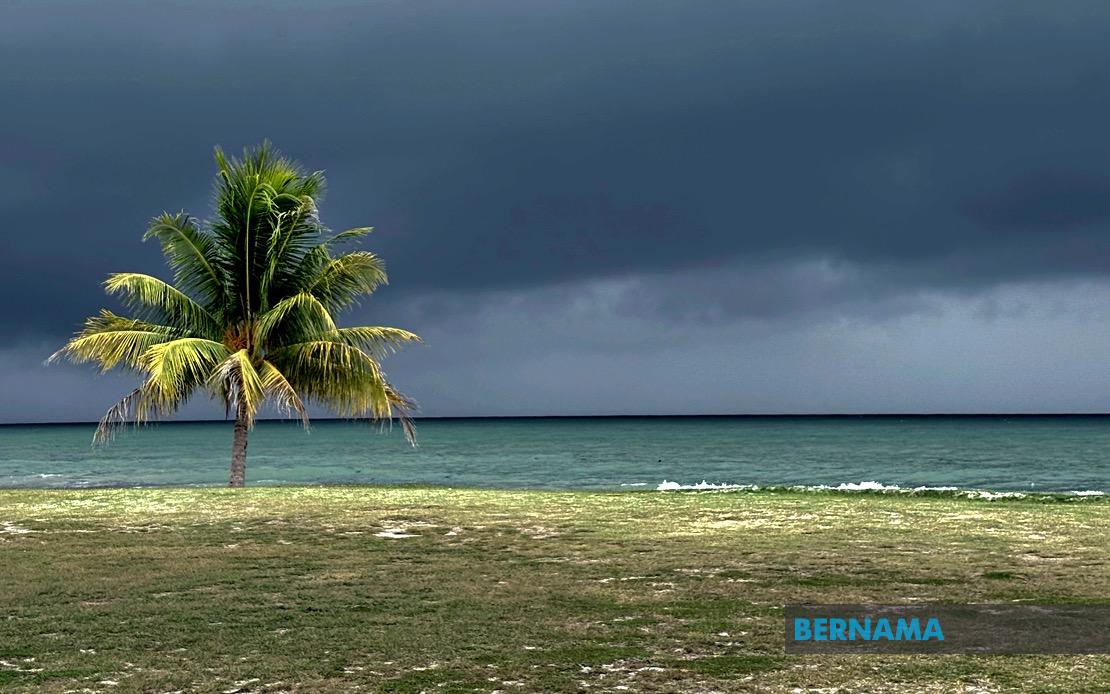
Malaysia's meteorological authorities have put residents on alert as unstable atmospheric conditions threaten to unleash thunderstorms and intense precipitation across several regions. The Malaysian Meteorological Department issued the advisory on June 25, flagging dangerous weather that will persist through 11 pm, affecting both Peninsular Malaysia and East Malaysia. Residents in the affected areas should prepare for disruptions to daily activities and take necessary precautions against flash flooding and strong winds.
On Peninsular Malaysia's east coast, the warning encompasses multiple districts across three states in the vulnerable Klang Valley economic corridor. Kelantan residents in Kota Bharu, Bachok, Machang and Pasir Puteh face the highest risk, with meteorologists anticipating severe conditions that could trigger localised flooding in low-lying zones. Terengganu's Kemaman district similarly falls within the danger zone, while Pahang's Jerantut, Temerloh, Maran and Kuantan districts are also placed under alert. These regions, already prone to flash flooding during monsoon transitions, warrant heightened vigilance from residents and emergency response teams.
The east coast's vulnerability to sudden deluge stems from its geographical positioning and existing soil saturation levels. During June, the region sits at the cusp of seasonal weather pattern shifts, when atmospheric instability frequently generates powerful convective systems. Strong winds accompanying these storms can topple trees, damage structures and disrupt utilities, while torrential downpours overwhelm drainage systems designed for typical rainfall intensities. Communities in these areas are advised to avoid unnecessary travel and to remain indoors when thunderstorms develop, given the compounded risks of lightning strikes and wind-driven debris.
Beyond the peninsula, East Malaysia faces concurrent threats requiring similar preparedness measures. In Sarawak, the coastal district of Limbang, particularly the Lawas area, has been placed under the meteorological department's watchlist. This maritime region's exposure to aggressive storm systems demands particular attention from maritime operators and coastal communities. Fishing vessels and small craft should remain moored in secure harbours until conditions stabilise, as sudden wind shifts and rough seas pose immediate navigation hazards.
Sabah's exposure spans geographically dispersed territories, reflecting the state's complex terrain and varied microclimates. The Interior divisions of Nabawan and Keningau, situated among forested highland areas, may experience landslides alongside flooding given soil conditions and elevation changes. The West Coast's Ranau district, nestled near Mount Kinabalu, frequently experiences intensified precipitation due to orographic effects where moisture-laden winds are forced upward and release their contents. Sandakan on the east coast, along with interior districts Tongod, Telupid and Beluran, similarly faces significant flood risks given their drainage characteristics and building development patterns.
Thunderstorms in these regions carry multiple hazards beyond rainfall. Lightning presents a serious threat to exposed individuals and structures lacking proper grounding systems, while hail—though less common in this climate—can damage crops and outdoor installations. The combination of heavy precipitation and strong winds creates compounding dangers that affect infrastructure, transportation networks and utility supply chains. Power outages may occur due to downed lines or equipment failures, potentially affecting communications and cooling systems during an already-uncomfortable tropical evening.
Emergency response agencies across affected states have likely mobilised resources in anticipation of storm-related incidents. Fire and rescue teams position themselves strategically to respond to trapped motorists, structural collapses and other weather-induced emergencies. Local authorities typically issue advisories recommending residents stock emergency supplies, charge electronic devices and secure loose outdoor items that could become projectiles in strong winds. School and business closures may follow if conditions worsen unexpectedly throughout the afternoon and early evening.
The meteorological department's decision to set a specific 11 pm cutoff for the advisory suggests this represents the forecasted duration of the most intense conditions. However, weather systems frequently prove unpredictable, and the department may extend warnings should radar imagery indicate persisting instability. Residents should monitor official weather updates regularly rather than relying on initial advisories, as atmospheric conditions can evolve rapidly during tropical storm development cycles.
For Malaysian and Southeast Asian communities accustomed to seasonal monsoons, such warnings are routine but nonetheless demanding. The region's building standards, drainage infrastructure and emergency protocols have evolved to accommodate these periodic severe weather events, yet individual preparedness remains crucial. Families should review their disaster readiness plans, ensure emergency contact numbers are accessible and understand local evacuation routes. Businesses dependent on uninterrupted operations should activate contingency measures, including backup power systems and alternative supply routes.
Looking ahead, the brief timeframe of this particular advisory—affecting only the evening period—suggests the atmospheric disturbance represents a passing system rather than a prolonged weather pattern shift. However, the specific timing and location of affected regions underscore how Malaysia's varied topography and coastal exposure create perpetual vulnerability to sudden severe weather. As climate patterns continue shifting globally, such alerts may become increasingly frequent, reinforcing the importance of maintaining readiness and respecting nature's power.

