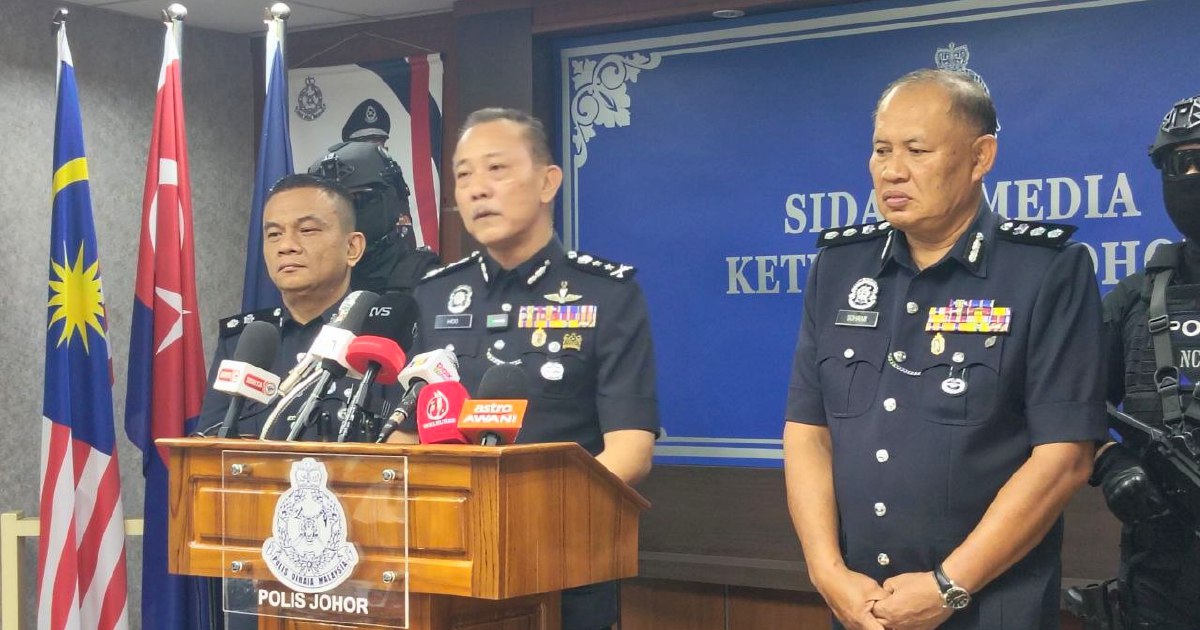
Five individuals are currently in police custody as authorities in Johor investigate multiple incidents in which both the national Jalur Gemilang and the Johor state flag were displayed upside down. The arrests underscore heightened sensitivities regarding the treatment of national and state symbols, which carry significant cultural and patriotic weight in Malaysia.
The three separate cases under investigation span different locations across Johor, suggesting a pattern that has prompted law enforcement to take swift action. Details regarding the precise locations and circumstances of each incident remain under wraps as the investigation unfolds, though the coordinated nature of the arrests indicates police consider the matter serious enough to warrant multiple charges.
The inverted display of national flags in Malaysia is typically treated as a serious concern, particularly when authorities believe such placement is intentional rather than accidental. The Jalur Gemilang and state flags are protected symbols under Malaysian law, and their mishandling can result in charges under various provisions designed to safeguard national dignity and respect for state emblems.
For Malaysian citizens and residents, flags hold ceremonial importance tied to sovereignty, national identity, and civic pride. The Johor state flag, featuring the Bendahara symbol, carries particular significance within the state, making any deliberate inversion a matter of concern for local authorities and community members who view such actions as disrespectful. The fact that multiple incidents occurred across different parts of the state suggests either a coordinated effort or isolated acts that collectively caught police attention.
The Johor Royal Police have not yet released comprehensive details about the identities of those detained, their backgrounds, or their stated motivations. Such information typically emerges during the formal investigation phase, when authorities may provide more context about whether the incidents were acts of protest, juvenile mischief, or other deliberate actions. The investigation's scope and the manner in which officers are proceeding will likely shape public understanding of the incidents.
This development occurs amid broader discussions in Malaysia about respect for national symbols and the boundaries of political expression. While Malaysians enjoy freedoms of speech and assembly protected under the Federal Constitution, the treatment of flags and national emblems remains a sensitive area where legal protections take precedence. Courts have historically taken a firm stance on cases involving national symbols, viewing their protection as essential to maintaining national unity and pride.
The timing and geographic spread of these incidents may prompt wider conversations within Johor's communities about civic responsibility and the importance of treating state and national symbols with appropriate respect. Educational campaigns and reminders about flag etiquette could emerge as authorities seek to prevent similar incidents in the future, particularly if the cases reveal gaps in public awareness rather than deliberate malice.
From a regional perspective, Southeast Asian nations maintain comparable legal frameworks protecting national symbols, reflecting a shared understanding that flags represent collective identity and sovereignty. Malaysia's approach aligns with practices elsewhere in the region, where the inverted display of national flags is similarly treated as a serious matter warranting investigation and potential prosecution.
The investigation's outcome will likely influence how similar cases are handled going forward within Johor and potentially across other Malaysian states. If charges are formally filed and prosecuted, the resulting legal precedents could shape future enforcement of laws protecting national symbols, particularly regarding distinctions between accidental and intentional misconduct.
For Johor residents and the broader Malaysian public, these arrests serve as a reminder of the legal and social expectations surrounding treatment of the Jalur Gemilang and state flags. While freedom of expression remains a constitutional right, that freedom operates within established boundaries designed to protect symbols of national and state identity. The police investigation will determine whether those detained acted with criminal intent or whether misunderstandings and misjudgments played a role in these incidents.

