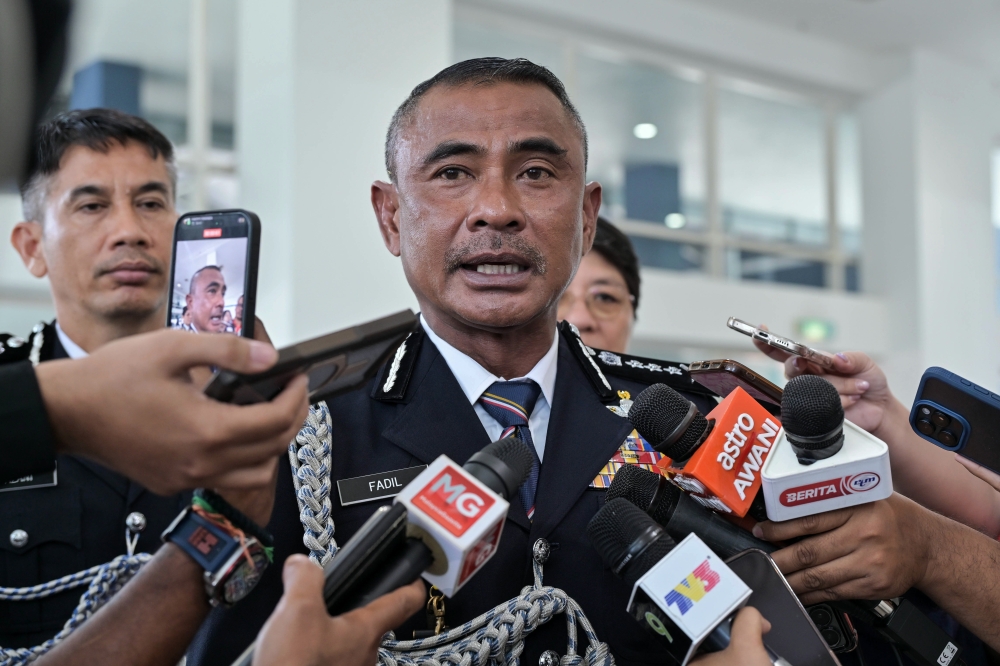
Police have made significant progress in tackling a troubling spate of residential break-ins across Kuala Lumpur, announcing the arrest of five Chinese nationals in connection with multiple housebreaking incidents. The suspects were taken into custody during operations in the Sri Petaling and Pudu districts, marking another development in law enforcement's ongoing efforts to combat property crime in the nation's capital.
The timing of these arrests reflects mounting concerns within the Kuala Lumpur community regarding residential security. Housebreaking cases have generated considerable anxiety among residents and business owners alike, prompting calls for enhanced police patrols and neighbourhood watch initiatives. The apprehension of these five individuals suggests authorities have made headway in identifying the perpetrators behind a coordinated series of burglaries that have affected households throughout the city.
Investigators determined that the arrested nationals were operating as part of a suspected criminal network targeting residential properties in high-density urban areas. The method and timing of their suspected crimes point to a degree of coordination and planning, indicating this was not opportunistic petty theft but rather an organized operation. The geographic concentration of incidents in specific neighbourhoods had already suggested a pattern that investigators could exploit to trace the perpetrators.
The Sri Petaling and Pudu locations where arrests occurred are significant residential and commercial hubs within the Kuala Lumpur metropolitan area. These densely populated zones contain numerous shophouses, apartments, and family homes, making them attractive to criminal elements seeking quick access to valuables whilst maintaining escape routes through interconnected streets and alleyways. The choice of these districts for the arrests indicates that law enforcement surveillance had been concentrated in areas where break-in activity appeared concentrated.
For Malaysian residents, particularly those living in urban centres, news of organized housebreaking networks carries particular resonance. Property crime remains a consistent concern in major cities, affecting sense of security and prompting homeowners to invest in security systems, alarm installations, and insurance policies. The arrest of a coordinated group operating in Kuala Lumpur serves as both a reassurance that authorities are actively investigating such crimes and a reminder of the persistence of organized property theft in the region.
The involvement of foreign nationals in such crimes is not unprecedented in Malaysia, though it often generates heightened public attention and policy discussions about immigration oversight and cross-border criminal activity. Authorities frequently grapple with transnational criminal networks that exploit porous borders and cooperation gaps between nations. The arrest of these five individuals may prompt wider reviews of how foreign nationals are monitored during their stay in Malaysia and what intelligence-sharing mechanisms exist with neighbouring countries and China.
The investigation that led to these arrests likely involved substantial police resources, including surveillance operations, intelligence gathering, and coordination between various law enforcement units. Housebreaking investigations typically require meticulous work to link suspects to specific incidents through forensic evidence, witness statements, and surveillance footage. The successful outcome suggests investigators employed modern techniques alongside traditional detective work to build their case.
Beyond the immediate impact on those whose homes were targeted, organized housebreaking networks affect broader perceptions of urban safety and neighbourhood security. Communities experiencing repeated break-ins often see deteriorating confidence in local governance and heightened social fragmentation as residents become suspicious and withdrawn. By disrupting such networks, authorities help restore community confidence and reduce the psychological toll on residents beyond the material losses incurred.
The arrest also has implications for Southeast Asia's regional security landscape. Organized crime networks operating across borders require coordinated responses from multiple jurisdictions. Malaysia's experience with foreign nationals engaged in property crime may inform discussions at regional forums about transnational criminal activity, extradition procedures, and mutual legal assistance arrangements between ASEAN nations and major trading partners.
Moving forward, authorities will likely focus on interrogating the arrested individuals to ascertain the full extent of their criminal operations, identify additional victims, and determine whether links exist to other organized crime syndicates. The investigation may uncover networks extending beyond Kuala Lumpur into other Malaysian cities or neighbouring countries, potentially opening new avenues for police cooperation and intelligence gathering throughout the region.

