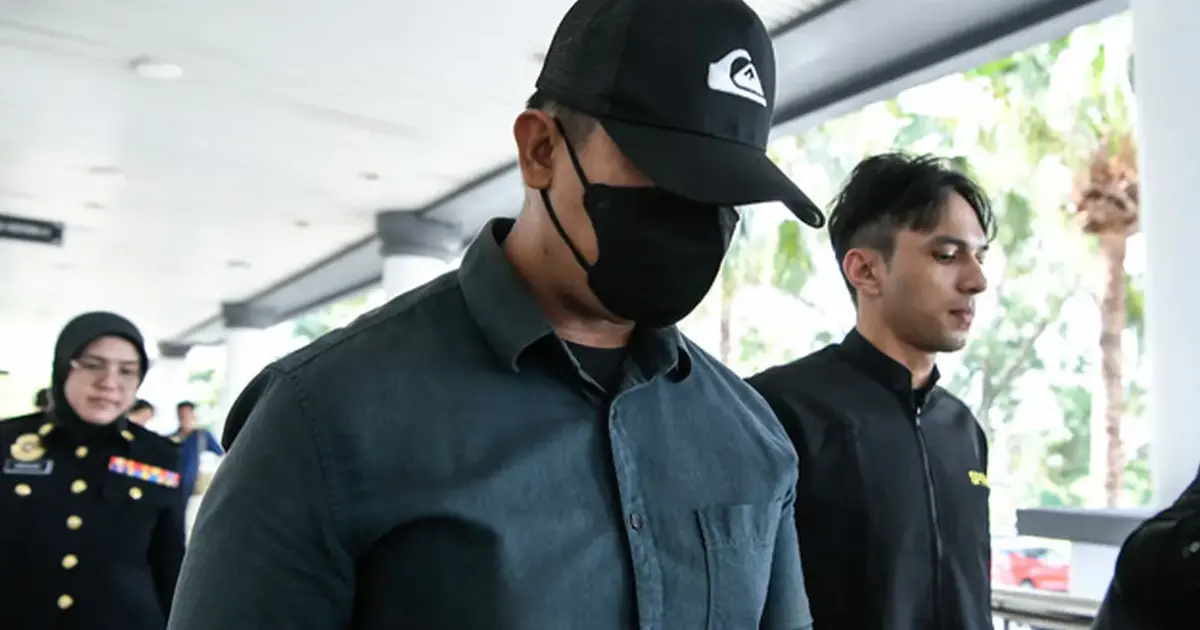
A superintendent with Malaysia's fire and rescue department has been formally charged with accepting bribes totalling RM11,500 from business owners seeking regulatory approval, marking another significant corruption case within the country's safety administration infrastructure.
Johari Bar Azwar stands accused of soliciting and receiving improper payments as incentives to issue official fire and rescue department licensing support letters—critical documents that business operators require to establish and maintain commercial operations. The alleged misconduct spans two separate transactions, with RM1,500 accepted in 2024 and a substantially larger RM10,000 payment received in the preceding year, according to the charges filed against the superintendent.
The case underscores a persistent vulnerability in Malaysia's licensing and regulatory system, where officials responsible for public safety certifications occupy positions of considerable gatekeeping authority. Small and medium-sized enterprises seeking fire safety clearance often depend entirely on these official endorsements to commence business activities or renew operational permits. When public servants exploit this dependency through bribery schemes, they simultaneously compromise fire safety standards and undermine public trust in government institutions responsible for protecting lives and property.
For Malaysian business operators, particularly those in the growing services and retail sectors, such allegations raise troubling questions about the true cost of regulatory compliance. Entrepreneurs have long complained about opaque approval processes and officials' informal demands for expedited processing. This case demonstrates that these frustrations reflect genuine systemic problems rather than isolated grievances. When licensing becomes contingent on unofficial payments rather than legitimate safety compliance, the entire regulatory framework loses credibility and effectiveness.
The timing of these allegations is significant for Malaysia's ongoing anti-corruption efforts. The Malaysian Anti-Corruption Commission, tasked with investigating and prosecuting corruption across the public sector, has intensified scrutiny of licensing officials following previous cases revealing systematic bribery networks within various government agencies. The fire department, responsible for issuing critical safety certifications, naturally attracts attention from those seeking shortcuts around legitimate compliance requirements.
The nature of the charges—bribery rather than extortion—suggests that business owners may have voluntarily offered payments to secure faster processing or guarantees of approval. This distinction is crucial, as it indicates potential collusion between corrupt officials and willing business participants rather than straightforward coercion. Such patterns typically indicate broader institutional problems where unofficial payment practices have become normalised within certain government departments, creating expectations among operators that legitimate compliance alone may be insufficient.
Regionally, Malaysia's experience mirrors challenges across Southeast Asia, where fire safety oversight and building permits remain notorious corruption vulnerability points. Neighbouring jurisdictions have similarly grappled with licensing officials exploiting their regulatory authority for personal gain. The difference lies partly in institutional responses: Malaysia's formal prosecution of such cases through dedicated anti-corruption mechanisms reflects democratic accountability frameworks, though critics argue these mechanisms often respond reactively rather than preventing corruption systematically.
For the fire department itself, the allegations present institutional challenges beyond individual misconduct. Departmental leadership must now address questions about internal oversight, supervisor accountability, and whether other officials have engaged in comparable behaviour. The case will likely prompt internal audits and strengthened documentation requirements for licensing decisions. Such reforms, while necessary, often emerge only after public exposure rather than through proactive institutional design.
The charging of Johari Bar Azwar also carries implications for public confidence in fire safety certifications already issued. Business operators holding fire department letters of support now face lingering uncertainty about whether their approvals reflected genuine safety compliance or potentially compromised decisions. This shadow hanging over legitimate certifications creates second-order damage to institutional credibility beyond the bribery itself.
From a business regulatory perspective, Malaysian policymakers should view this case as evidence supporting broader licensing reform. Digital approval systems with reduced official discretion, transparent criteria publicly accessible to all applicants, and automated documentation trails can significantly diminish opportunities for corruption. Several Malaysian states have begun implementing such systems with measurable success in reducing processing delays and corruption complaints.
The prosecution process will reveal additional details about how these payments were solicited, who initiated contact, and whether other officials or business operators were involved in similar arrangements. These details will prove essential for the fire department to implement targeted reforms preventing recurrence. Simply removing one corrupt individual addresses symptoms rather than underlying systemic incentives that enabled the misconduct.
Ultimately, this case reflects a broader principle: when government officials control access to essential business credentials without robust transparency mechanisms, corruption becomes not merely a temptation but a predictable outcome. Malaysia's response through prosecution is appropriate, but sustained reform of licensing processes themselves offers the only durable solution to such corruption patterns.

