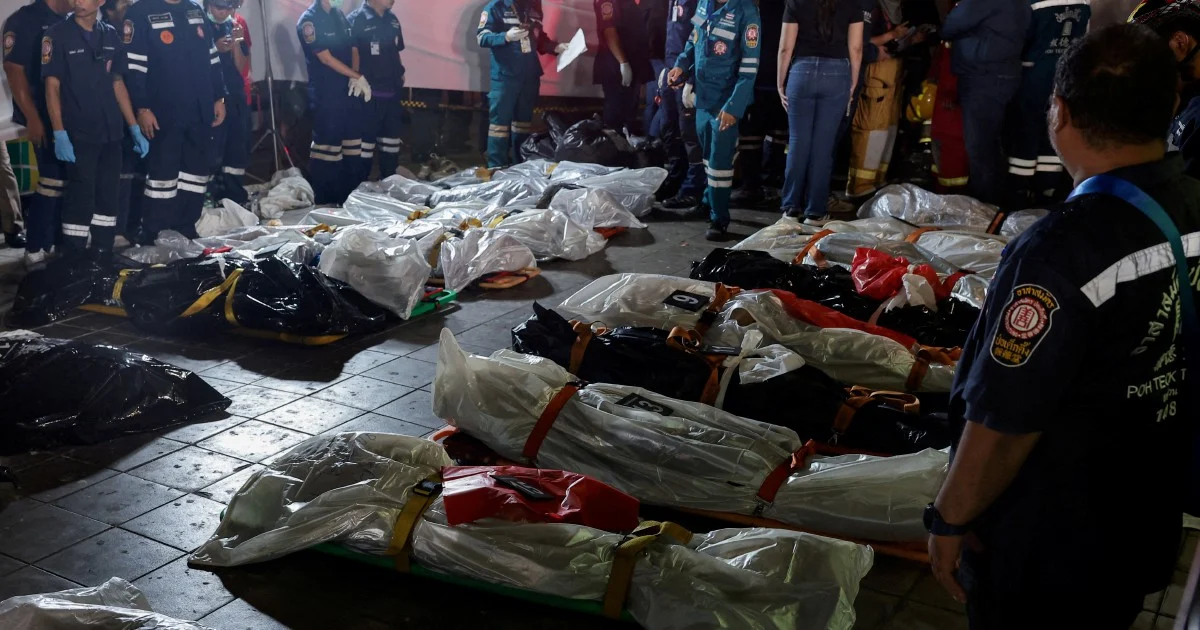
Thailand faces one of its deadliest entertainment venue disasters in recent years following a catastrophic fire that swept through a bar in Bangkok late Sunday night, claiming the lives of at least 27 people. Prime Minister Anutin Charnvirakul confirmed the toll to local media, signalling what officials are treating as a major tragedy that will likely trigger widespread investigations into safety compliance across the kingdom's hospitality industry.
The incident underscores a persistent vulnerability in Southeast Asia's rapid expansion of nightlife and entertainment venues, where rapid urbanisation often outpaces the development of robust safety infrastructure. Thailand's hospitality sector, a cornerstone of its economy attracting millions of international visitors annually, now faces intense pressure to demonstrate that venues meet fire safety standards. The Bangkok fire follows a pattern of similar incidents in the region, including deadly club fires in Malaysia, Indonesia, and Vietnam over the past two decades, each prompting soul-searching about regulatory enforcement.
Prime Minister Charnvirakul's public acknowledgment of the death toll signals that Thai authorities are treating this as a matter of national significance rather than a localised incident. The confirmed casualty count of at least 27 suggests rapid initial emergency response, but also raises questions about the venue's occupancy levels at the time of the fire and whether occupants could have evacuated efficiently. Thai media reports typically accompany such incidents with scrutiny of whether establishments held valid operating licences and complied with fire code requirements.
The timing of the fire—late Sunday night—indicates the venue was likely operating during peak hours when customer numbers would have been substantial. Bangkok's entertainment districts, concentrated in areas such as Patpong, Khao San Road, and the various soi lanes in central commercial zones, often operate establishments in tightly packed urban spaces where fire spread can be rapid and exit routes limited. The architecture of many older bar and karaoke establishments in these districts, often retrofitted into converted shophouses or office buildings, creates inherent challenges for emergency evacuation.
Investigators will almost certainly examine whether the venue had adequate fire exits, functioning emergency lighting, and properly trained staff briefed on evacuation procedures. Thailand's fire code requirements exist on paper, but enforcement varies significantly between large, internationally-managed hotel establishments and smaller, independently operated bars and clubs. The gap between regulatory standards and real-world compliance remains a persistent weakness across the hospitality sector throughout Southeast Asia, where smaller venues often operate with minimal oversight.
The tragedy carries significant implications for Thailand's tourism industry, which directly and indirectly supports millions of Thais and represents a critical source of foreign exchange. International tourists, including Malaysian visitors who form a substantial portion of Bangkok's nightlife economy, may become more cautious about entertainment venue choices following such a high-profile disaster. Hotel concierges and tour operators throughout the region will likely face increased customer inquiries about safety standards at recommended venues.
Regional tourism boards and hospitality associations across Southeast Asia, including those in Malaysia, will probably accelerate their own safety audits in response to this incident. The collective memory of previous tragedies—such as the 2018 nightclub fire in Phuket and earlier incidents in Indonesia—demonstrates that individual countries cannot ignore such catastrophes as isolated events. Safety failures in one jurisdiction create reputational concerns for the entire region's tourism offerings.
Thailand's government response will shape how neighbouring countries approach similar situations. Should Charnvirakul's administration launch comprehensive venue inspections, strengthen fire code enforcement, or introduce new licensing requirements, these measures could serve as models or warnings for Malaysian and other regional authorities. The political pressure on the Thai government to be seen taking decisive action will likely manifest in announcements of enhanced safety protocols within days of this incident.
The human toll extends beyond the confirmed death count. Survivors suffering from burns, smoke inhalation, and trauma will require extended medical care. Families of victims will seek answers about how such a tragedy could occur in a capital city with modern infrastructure. Thai society, like other Southeast Asian countries, will grapple with uncomfortable questions about whether rapid economic development in the hospitality sector has outpaced the safety culture and enforcement mechanisms necessary to protect public welfare.
Longer-term, this incident will likely drive insurance companies throughout the region to re-examine their underwriting practices for entertainment venues. Venues unable to meet enhanced safety requirements may face higher premiums or cancellation of coverage, creating financial pressure for compliance. This economic consequence may ultimately prove more effective than regulatory mandates alone in driving safety improvements across Bangkok's diverse entertainment sector.

