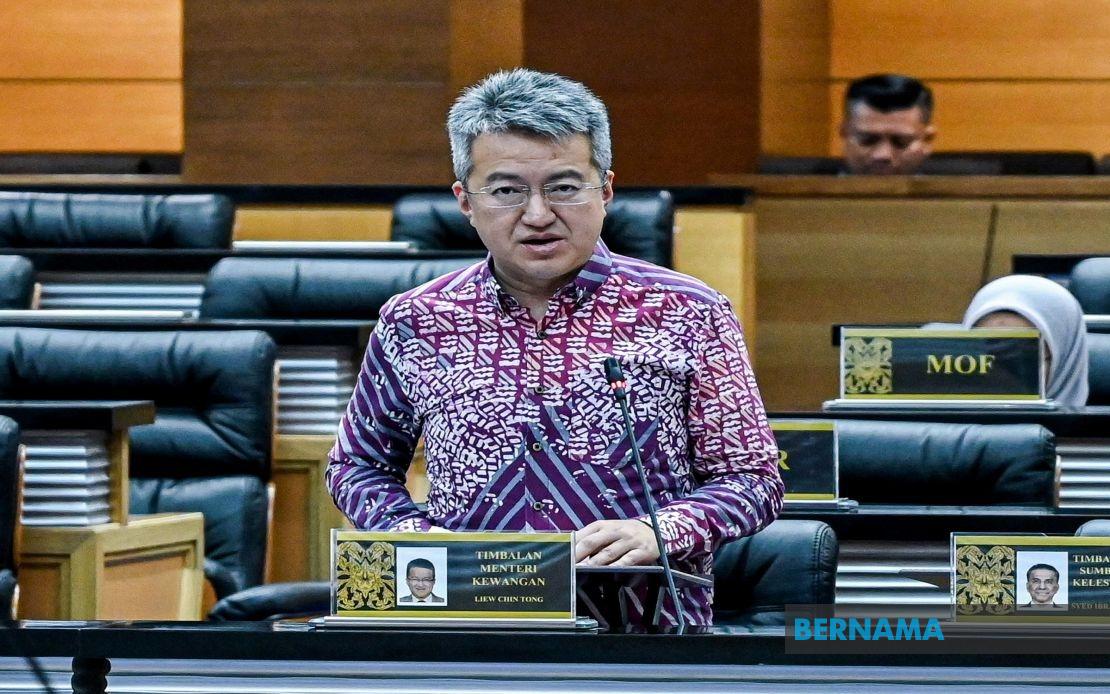
The Malaysian government is actively reviewing whether elderly care centres should be exempted from the Sales and Service Tax, a move driven by mounting pressure from parliamentarians concerned about the financial strain on families with ageing relatives. Deputy Finance Minister Liew Chin Tong disclosed during a Dewan Rakyat session that the Ministry of Finance and the Ministry of Women, Family and Community Development are jointly conducting an in-depth study into the matter, signalling serious governmental consideration of the proposal.
The initiative follows urgent parliamentary representation from Lee Chuan How, who highlighted how the eight per cent service tax has imposed substantial additional costs on ordinary households already grappling with elevated living expenses. Lee pointed out that families utilising registered elderly care facilities often face monthly bills around RM2,500, and the SST compounds their financial difficulties significantly. His plea resonated with broader concerns about the sustainability of aged care arrangements for middle and lower-income Malaysians navigating an increasingly expensive social services landscape.
Central to the government's examination is the need to differentiate between care facilities based on the quality and scope of services they provide. Liew explained that the ongoing study specifically targets a review of existing service tax classifications to distinguish between centres offering basic care and those providing premium services. This granular approach acknowledges that a blanket exemption may not be appropriate, and policymakers are seeking to protect vulnerable groups without creating unintended consequences or unfairly advantaging premium providers.
The decision to pursue deeper investigation rather than implement immediate policy changes reflects the complexity surrounding SST reform. When Malaysia reintroduced the Sales and Service Tax in 2018 after the previous government abolished the Goods and Services Tax, the aged care sector was not explicitly carved out for special treatment. The cumulative effect across thousands of facilities has become a live political issue, particularly as Malaysia's population ages and demand for professional elderly care increases substantially.
Liew's commitment to conduct field visits alongside his ministry's colleagues demonstrates recognition that understanding the ground-level reality is essential before finalising any exemption framework. By engaging directly with care centre operators registered with the Social Welfare Department, the government hopes to gather comprehensive data about operational costs, service diversity, and the actual impact of the eight per cent levy on different facility types. These visits will also provide operators with a platform to articulate their concerns and proposals to decision-makers.
For Malaysia's elderly care sector, this development carries significant implications. The industry has faced sustained pressure since the SST's reimplementation, with operators caught between maintaining service quality and managing higher tax liabilities. An exemption would provide meaningful relief to facilities and reduce the financial burden transmitted to families, potentially making professional elder care more accessible to middle-income households. Conversely, if the government determines that targeted exemptions are more appropriate than a blanket approach, operators may face a more complex tax environment requiring careful classification of their services.
The broader context involves Malaysia's evolving social protection system as the country confronts demographic realities. With an ageing population and increasing numbers of working-age individuals unable or unwilling to provide full-time family care, the professional elderly care sector is expanding rapidly. Tax policy that inadvertently penalises this essential service can distort market outcomes and push families toward informal, potentially lower-quality arrangements. The government's willingness to examine the SST's applicability to aged care reflects this understanding.
Regional observers also note that Malaysia is not alone in grappling with these policy questions. Across Southeast Asia, governments are reassessing how tax systems interact with growing demand for aged care services, particularly in middle-income countries where professional facilities are becoming increasingly essential. Malaysia's approach could establish a precedent, and the outcome of this study may inform discussions in neighbouring economies facing similar demographic pressures and social welfare challenges.
The parliamentary engagement on this issue highlights how even technical tax matters can command political attention when they affect vulnerable constituencies. Lee's advocacy resonated because it connected abstract fiscal policy to the concrete reality of families managing the emotional and financial dimensions of elder care. This parliamentary pressure likely accelerated the government's formal examination of the proposal, underscoring how legislative representation can influence policy priorities.
Stakeholder consultation emerges as a key element of the government's methodology. By inviting input from all affected parties before finalising recommendations, the Finance Ministry signals an intention to base any exemption design on comprehensive feedback rather than assumptions. This approach, while potentially extending the timeline for decision-making, may ultimately produce more durable and effective policy. Operators, families, and advocacy groups will have opportunities to shape the final framework.
The timing of this review remains unclear, but the government's stated commitment to visiting care centres and engaging with operators suggests movement toward a concrete proposal within a reasonable timeframe. For families currently absorbing the full eight per cent service tax cost, any progress represents a step toward potential relief. The exemption would likely apply to facilities registered with the Social Welfare Department, creating a clear administrative mechanism while potentially leaving unregistered providers subject to the standard levy.
Ultimately, whether Malaysia exempts elderly care centres from SST will reflect broader judgments about the appropriate role of taxation in shaping social outcomes. Policymakers must balance revenue considerations against the social imperative of ensuring that essential care services remain accessible and affordable. The government's methodical examination of this proposal suggests policymakers recognise both the urgency and the complexity, and are committed to evidence-based decisions that serve both fiscal responsibility and social equity.

