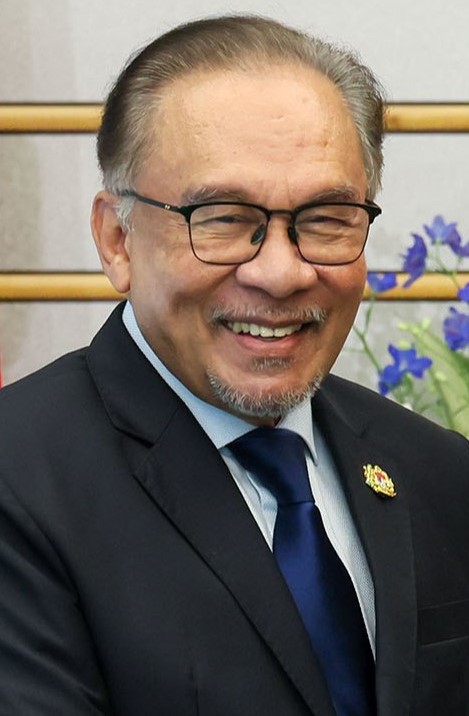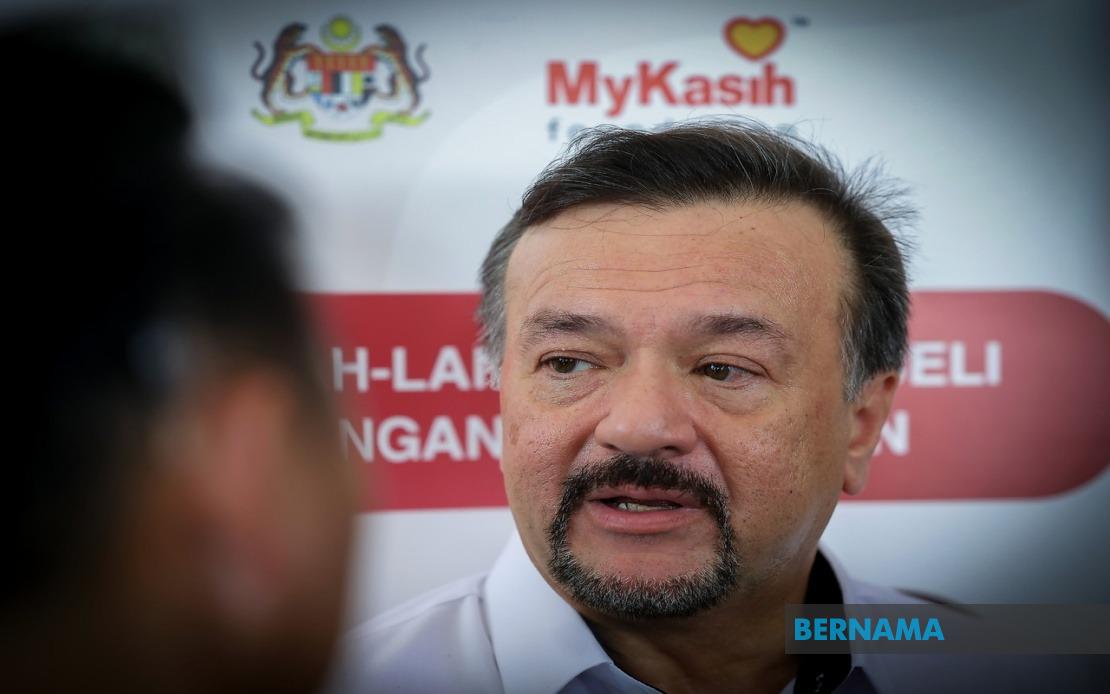
The Ministry of Finance is signalling flexibility in managing the BUDI MADANI Diesel programme, with Finance Minister II Datuk Seri Amir Hamzah Azizan indicating that policymakers remain receptive to recommendations aimed at streamlining operations and maximising effectiveness. Speaking after briefing sessions in Kuching on June 24, Amir Hamzah outlined an evidence-driven approach to potential programme refinements, emphasising that any major alterations—notably expansions to fuel quotas—would depend on verifiable consumption metrics rather than assumptions or preliminary feedback.
The BUDI Diesel initiative represents a crucial component of Malaysia's subsidy reform architecture, designed to ensure efficient resource allocation while protecting vulnerable transportation sectors. Early implementation data proves instructive in this regard. Statistics gathered between January and May demonstrate that merely 0.76 per cent of participating users consumed beyond the 200-litre threshold, suggesting the existing quota structure accommodates the vast majority of legitimate usage patterns. This empirical foundation underpins the government's cautious approach to quota expansion discussions.
Amir Hamzah's framing reflects a deliberate policy philosophy: allowing newly implemented programmes adequate operational runway before implementing structural modifications. The rationale stems from lessons learned across previous targeted subsidy reforms, where initial perceptions of insufficiency sometimes proved unfounded once actual usage behaviours materialised. Rushing to adjust quotas without comprehensive data risks creating unnecessary fiscal burdens and distorting market incentives. By contrast, patient observation of real-world consumption patterns yields more defensible policy decisions grounded in measurable outcomes rather than political pressure or anecdotal complaints.
The Finance Minister drew explicit parallels with the e-hailing sector's subsidy framework, a programme that has evolved substantially since its inception. When e-hailing operators initially raised concerns about quota adequacy, the government responded methodically by examining usage records compiled by ride-sharing companies themselves. This transparent, data-centric review process ultimately justified targeted increases rather than blanket expansions. The resulting tiered structure—offering qualified drivers access to either 600 or 800 litres monthly—reflects genuine differentiation in operational requirements rather than uniform entitlements.
This precedent carries particular significance for Malaysian policymakers grappling with perpetual tensions between subsidy accessibility and fiscal sustainability. The e-hailing adjustment demonstrates that the government possesses mechanisms to refine support without abandoning the programme entirely or expanding it indiscriminately. Similar flexibility characterises the Finance Ministry's current posture towards the diesel subsidy framework. Rather than preemptively scaling quotas, officials are prepared to scrutinise implementation feedback, validate consumption claims against transaction records, and calibrate responses accordingly.
For the transport and logistics sectors dependent on diesel fuel—categories including commercial trucking, public transport fleets, and agricultural operations—this measured approach carries mixed implications. Operators experiencing genuine quota constraints may experience frustration during the observation period, particularly if their seasonal or operational patterns exceed historical averages. However, the government's demonstrated willingness to revisit decisions based on robust evidence suggests that legitimate hardship will eventually prompt targeted relief. The challenge lies in distinguishing authentic supply-side constraints from speculative pressure designed to secure larger entitlements.
The Works Minister Datuk Seri Alexander Nanta Linggi's attendance at the Kuching briefing underscores the cross-ministerial importance of fuel subsidy administration. Transport infrastructure development and fuel pricing reforms interconnect fundamentally, since subsidy structures influence operational costs for logistics companies and public transport providers. Coordination between Finance and Works ministries ensures that infrastructure investments and subsidy policies align rather than working at cross-purposes.
From a Southeast Asian perspective, Malaysia's approach to targeted fuel subsidies offers instructive contrast to practices across the region. While some neighbouring economies maintain broader, untargeted subsidies generating substantial fiscal drain, Malaysia has progressively narrowed subsidy scope to specific user categories deemed socially essential or economically strategic. The BUDI Diesel framework continues this trajectory, concentrating support on transport sectors integral to national economic functioning rather than universalising cheap fuel access. This targeting, combined with periodic data-driven reviews, maximises subsidy effectiveness per ringgit expended.
The government's emphasis on evidence-based policymaking reflects evolving sophistication in subsidy administration. Real-time consumption tracking, enabled by digital transactions and billing systems, permits granular analysis impossible under previous paper-based regimes. This technological foundation enables officials to distinguish patterns from outliers and validate claims against objective records. Consequently, future subsidy adjustments—whether for diesel, electricity, or other essentials—increasingly rest on verifiable usage data rather than bureaucratic guesswork or political convenience.
Looking forward, the Finance Ministry's open-ended commitment to reviewing the BUDI Diesel programme carries broader implications for stakeholder confidence. By publicly signalling that evidence will drive policy adjustments, officials create incentives for accurate reporting and discourage gaming of the system. Simultaneously, they reassure legitimate users that genuine hardship will receive consideration rather than dismissal. This balance between fiscal discipline and programmatic responsiveness represents sophisticated subsidy management.
The timeline for potential programme refinements remains undefined, reflecting the government's preference for adequate observation periods before declaring initial implementation conclusive. Stakeholders seeking quota increases should accordingly prepare comprehensive usage documentation demonstrating quantifiable demand exceeding existing entitlements. Anecdotal appeals carry limited weight in this evidence-driven framework; instead, aggregated consumption records, seasonal patterns, and operational necessities provide the most persuasive foundation for adjustment requests.
Ultimately, Finance Minister Amir Hamzah's remarks signal neither programme entrenchment nor automatic expansion, but rather pragmatic flexibility anchored in measurable outcomes. As the BUDI Diesel scheme matures beyond initial implementation phases, genuine anomalies and systemic gaps may indeed emerge, potentially justifying targeted adjustments. Until such evidence materialises, however, the government appropriately maintains the existing structure whilst remaining attentive to authentic usage patterns that challenge current parameters.