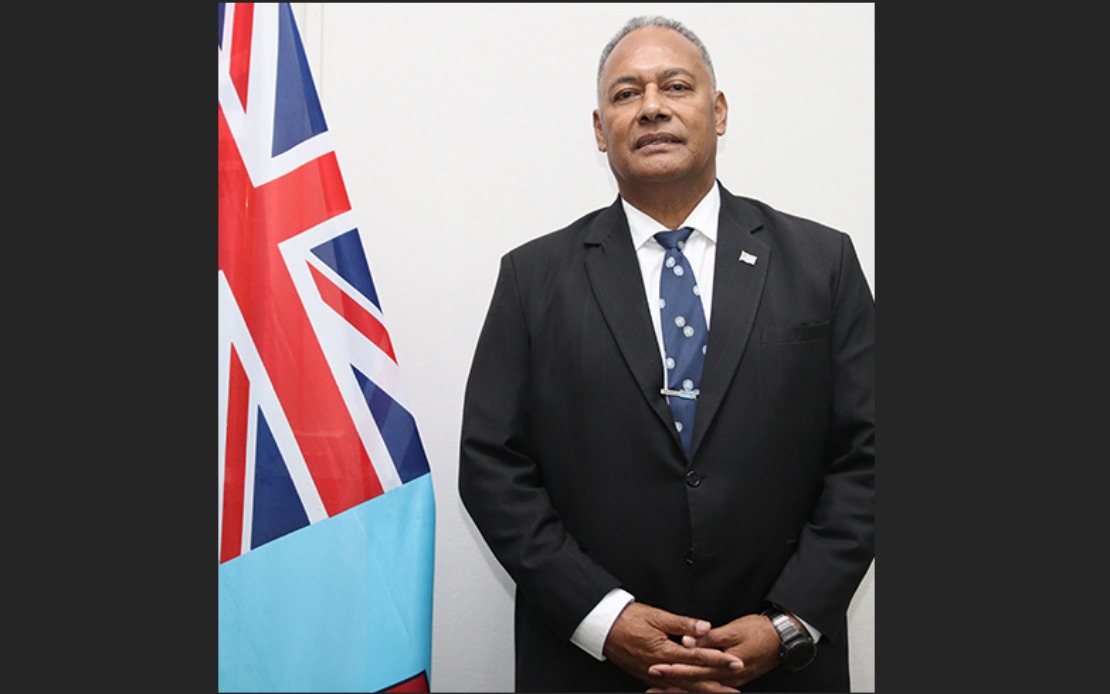
Fijian Foreign and External Trade Minister Sakiasi Raisevu Ditoka is undertaking a working visit to Malaysia from Sunday through Wednesday, signalling renewed commitment to deepening the relationship between the two nations across multiple sectors of mutual interest. The visit, confirmed by Malaysia's Foreign Ministry, underscores the importance both governments place on expanding cooperation in an era of regional economic interdependence and shifting geopolitical dynamics in the Indo-Pacific.
The centrepiece of Ditoka's itinerary involves high-level bilateral discussions with Malaysia's Foreign Minister Datuk Seri Mohamad Hasan, where the two will explore pathways to enhance partnership in several strategic domains. Trade and investment feature prominently in the agenda, reflecting both nations' recognition that economic ties form the bedrock of sustainable diplomatic relationships. Beyond commerce, the ministers plan to examine opportunities for collaboration in capacity building—a crucial area for developing economies seeking to strengthen institutional capabilities and human capital. Discussions will also encompass forestry management and renewable energy development, sectors where Malaysia's technological sophistication and Fiji's resource potential could yield mutually beneficial arrangements.
Cultural exchange represents another significant component of the planned discussions, acknowledging that soft power and people-to-people connections complement formal state relations. The opportunity for both ministers to discuss pressing regional and international issues during their meeting reflects a broader diplomatic strategy wherein bilateral engagements serve as platforms for coordinating positions on matters of wider regional concern. For Malaysia, engaging with Pacific Island nations like Fiji strengthens its profile as a bridge between Asia and the broader Indo-Pacific community, while Fiji benefits from closer association with a major Southeast Asian economy.
Parallel to Foreign Ministry negotiations, Ditoka will engage with Malaysia's Investment, Trade, and Industry Minister Datuk Seri Johari Abdul Ghani to probe deeper into economic cooperation opportunities. This separate channel of dialogue signals the multifaceted nature of modern bilateral engagement, where trade and investment matters receive dedicated ministerial attention distinct from broader foreign policy discussions. By involving multiple cabinet-level officials, both governments are demonstrating their seriousness in pursuing tangible economic outcomes from diplomatic overtures.
A particularly symbolic element of the visit is Ditoka's role in reopening Fiji's High Commission in Kuala Lumpur. This administrative milestone carries substantial significance, as diplomatic representations serve not merely as bureaucratic offices but as anchors for bilateral relations and points of contact for businesses, academics, and citizens seeking to deepen cross-border engagement. The reopening after an apparent closure reflects renewed diplomatic prioritisation and may signal Fiji's decision to strengthen its institutional footprint in Southeast Asia.
The establishment of the Malaysia-Fiji Business Council during this visit represents a concrete institutional achievement aimed at facilitating commercial interaction between the two nations. Such councils typically serve as networking platforms where business leaders, government officials, and entrepreneurs from both countries identify collaboration opportunities, troubleshoot trade barriers, and build relationships that outlast individual political administrations. The formal creation of this body suggests both governments anticipate sustained and growing economic engagement warranting permanent institutional structures.
Bilateral trade figures reveal an asymmetrical but substantive economic relationship. In 2025, total bilateral commerce reached RM880.01 million (US$206.2 million), with Malaysia accounting for the overwhelming majority through exports valued at RM867.92 million (US$203.41 million), while Fiji's exports to Malaysia stood at RM12.09 million (US$2.80 million). This pronounced trade imbalance reflects Malaysia's more developed manufacturing base and export-oriented economy, yet also indicates scope for Fiji to increase shipments of commodities, agricultural products, or processed goods to the Malaysian market. The modest import figures suggest either limited complementarity in current trade structures or untapped potential for Fijian exporters to penetrate Malaysian markets more effectively.
For Malaysian policymakers, strengthening ties with Pacific Island nations like Fiji serves strategic purposes extending beyond immediate economic gain. The Indo-Pacific region increasingly captures attention from major global powers, and Malaysia's engagement with island nations demonstrates its commitment to maintaining presence and influence across a geographically dispersed region. Pacific Island nations, while individually modest in economic scale, collectively represent significant voting blocs in international forums and carry strategic importance due to their maritime territories and positioning.
Fiji's perspective on this engagement reflects its broader diplomatic strategy of diversifying partnerships beyond traditional colonial and Commonwealth relationships. By developing closer ties with Malaysia and other Southeast Asian nations, Fiji positions itself as a bridge between the Pacific and Asia, potentially accessing new development finance, technology transfer opportunities, and market access. For a small island developing state facing climate change vulnerabilities and economic constraints, such strategic partnerships prove essential for long-term development and resilience.
The renewal of diplomatic focus through ministerial visits and institutional establishment also carries implications for Malaysia's broader Indo-Pacific engagement strategy. As a Southeast Asian nation with significant experience in regional institution-building and economic integration, Malaysia can leverage its ASEAN experience to offer Fiji and other Pacific partners models for development cooperation, trade facilitation, and capacity enhancement. The establishment of the Business Council particularly signals Malaysia's readiness to provide concrete mechanisms supporting private sector involvement in bilateral commerce.
Looking forward, the outcomes of this visit will likely set trajectory for Malaysia-Fiji relations over coming years. Successful high-level meetings, reopened diplomatic infrastructure, and new institutional mechanisms may catalyse increased bilateral trade, investment flows, and collaborative projects in identified priority sectors. The visit also provides opportunity for both nations to signal their foreign policy orientations—Malaysia's commitment to meaningful engagement across the Indo-Pacific, and Fiji's strategy of building partnerships with major Asian economies while maintaining historical Commonwealth ties.
The timing and scope of Ditoka's visit reflects a maturing bilateral relationship moving beyond occasional diplomatic exchanges toward sustained, structured engagement encompassing trade, investment, institutional development, and policy coordination. As regional dynamics continue shifting, such strategic partnerships between nations of different sizes but complementary interests increasingly define the architecture of regional stability and prosperity.

