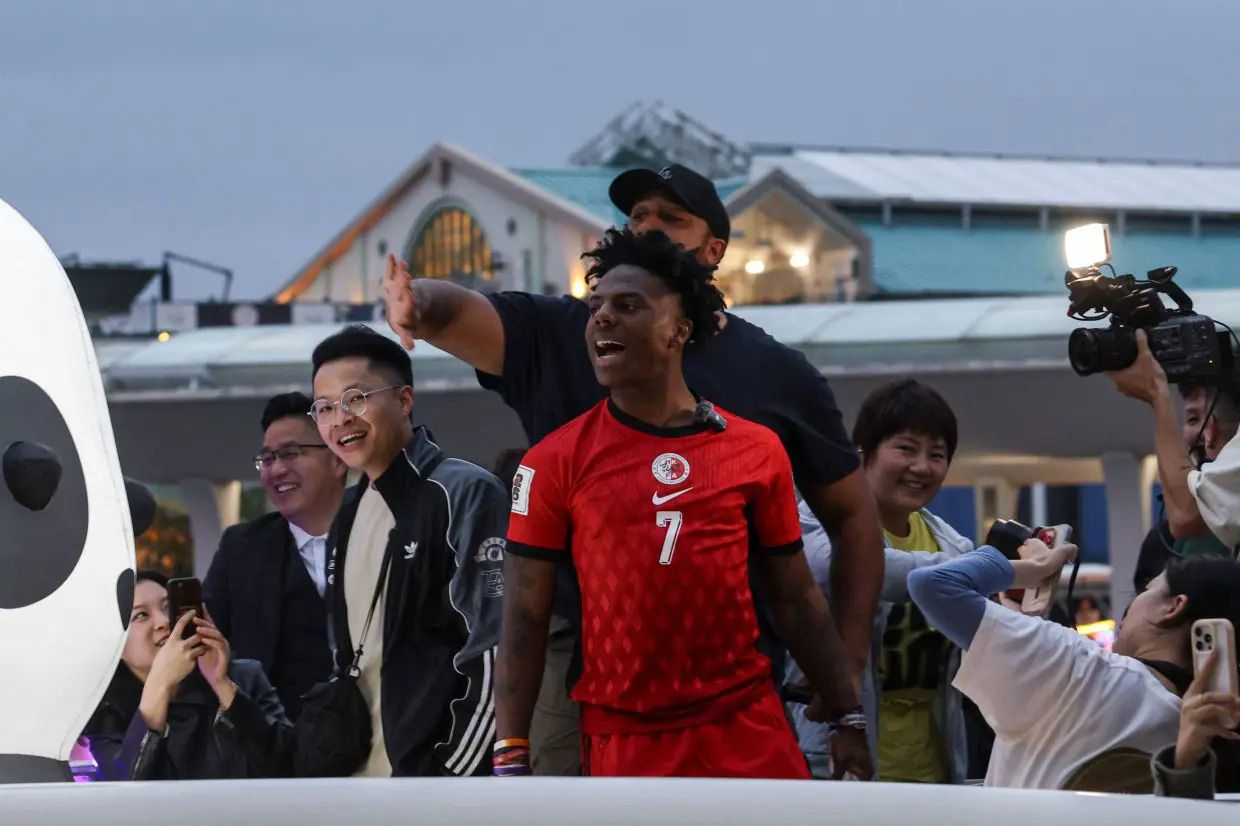
Football's governing body FIFA has opened an official inquiry into racial abuse targeting the content creator IShowSpeed during the ongoing World Cup 2026 tournament in the United States. The organization announced the investigation on Tuesday following an incident at Miami Stadium during the Argentina versus Cape Verde encounter on July 3, 2026, marking an escalation of concerns about discriminatory conduct within stadiums hosting the marquee sporting event.
Darren Watkins Jr, known professionally as IShowSpeed, is a 21-year-old digital media personality commanding an enormous following across streaming platforms. His YouTube channel alone boasts more than 57 million subscribers, with tens of millions additional followers distributed across various social media services, making him one of the world's most influential content creators. This significant reach means that incidents of abuse he encounters during high-profile events gain international visibility, particularly among younger digital-native audiences who follow his activities closely.
The streamer has secured unprecedented access to World Cup 2026 matches through a collaborative arrangement involving FIFA, YouTube, and American broadcaster Fox Sports. This special accreditation allows him to stream live coverage from stadiums, bringing the tournament experience to audiences unable to attend matches in person. His presence at venues has established him as a distinct feature of this year's competition, blending traditional sports coverage with contemporary digital content creation in ways that reflect evolving media consumption patterns.
The specific incident on July 3 at Miami Stadium involved abusive comments with racist overtones directed toward the content creator by a spectator. FIFA's formal response underscores the organization's stated commitment to addressing discriminatory behavior, though the investigation's scope and methodology remain undefined at this stage. The timing of the announcement, occurring days after the initial incident, suggests that evidence collection and witness accounts are ongoing.
Further troubling conduct emerged during Tuesday's match between Argentina and Egypt, when another incident involving an Argentine supporter targeting IShowSpeed was documented. This second occurrence, which included offensive gestures imitative of animal behavior frequently employed as racist intimidation, indicates a pattern rather than isolated misconduct. The recurrence within the space of several days raises questions about stadium security protocols and supporter management procedures at World Cup venues.
The emergence of these incidents at the World Cup 2026 reflects broader tensions surrounding racism within professional football that have persisted despite decades of awareness campaigns and disciplinary measures. Latin American football culture, while rich in passionate support, has historically wrestled with instances of racial abuse directed at players and now, evidently, public figures associated with matches. The fact that such conduct is occurring during an international tournament widely viewed as a celebration of global unity through sport presents a significant challenge to FIFA's anti-discrimination messaging.
For Malaysia and Southeast Asia, these events carry particular relevance as the region prepares for its own evolving relationship with world football governance. Several Southeast Asian nations maintain investments in football development and infrastructure, viewing the sport as a vehicle for national prestige. Incidents occurring at major tournaments inform regional approaches to stadium management, supporter conduct policies, and the integration of digital content creators into official tournament frameworks. The regulatory response FIFA adopts in this instance may influence how regional football bodies address similar situations.
The statement from FIFA emphasizing that racism, hatred, and discrimination have no legitimate place in football represents formal policy alignment rather than novel commitment. However, the organization's willingness to launch a public investigation and explicitly link the misconduct to World Cup participation demonstrates recognition that failure to act decisively invites criticism regarding selective enforcement. The consequences FIFA ultimately determines for identified perpetrators will signal the organization's seriousness in translating condemnatory rhetoric into meaningful enforcement action.
The integration of high-profile content creators into traditional sporting events like the World Cup creates novel dimensions for tournament management. While digital influencers broaden audience reach and engagement, they also become potential targets for abuse within environments where supporter intensity runs high. Stadium operators and security personnel must navigate protocols that protect accredited creators while respecting supporter access and maintaining the spontaneity that characterizes match-day atmosphere.
The incidents involving IShowSpeed occur against a backdrop of intensifying discussions regarding digital media representation within sports governance. His streaming activities generate alternative narratives and direct fan engagement that supplement traditional broadcast coverage, challenging conventional media gatekeeping. This expanded media ecology, however, exposes digital creators to vulnerabilities that traditional journalists and commentators might better navigate through institutional support and security arrangements.
The investigation's outcome will likely include determinations regarding supporter identification, evidence sufficiency, and appropriate disciplinary measures under FIFA's established conduct codes. Whether the organization will implement enhanced protections for accredited digital creators at remaining tournament matches remains uncertain. The broader implications extend to how sports administrators balance regulatory responsibility with inclusive practices that welcome emerging media formats and diverse participants into their institutional structures.
As FIFA progresses through this investigative process, the organization faces pressure to demonstrate that its stated opposition to discrimination translates into consistent enforcement, particularly in contexts where cultural attitudes toward racial conduct may differ from Western institutional norms. The World Cup 2026 represents an opportunity to establish precedents that elevate standards across the sport regarding unacceptable supporter behavior, regardless of the target's prominence or the medium through which they engage with the event. How decisively FIFA acts will communicate volumes about its commitment to the inclusive values it espouses.

