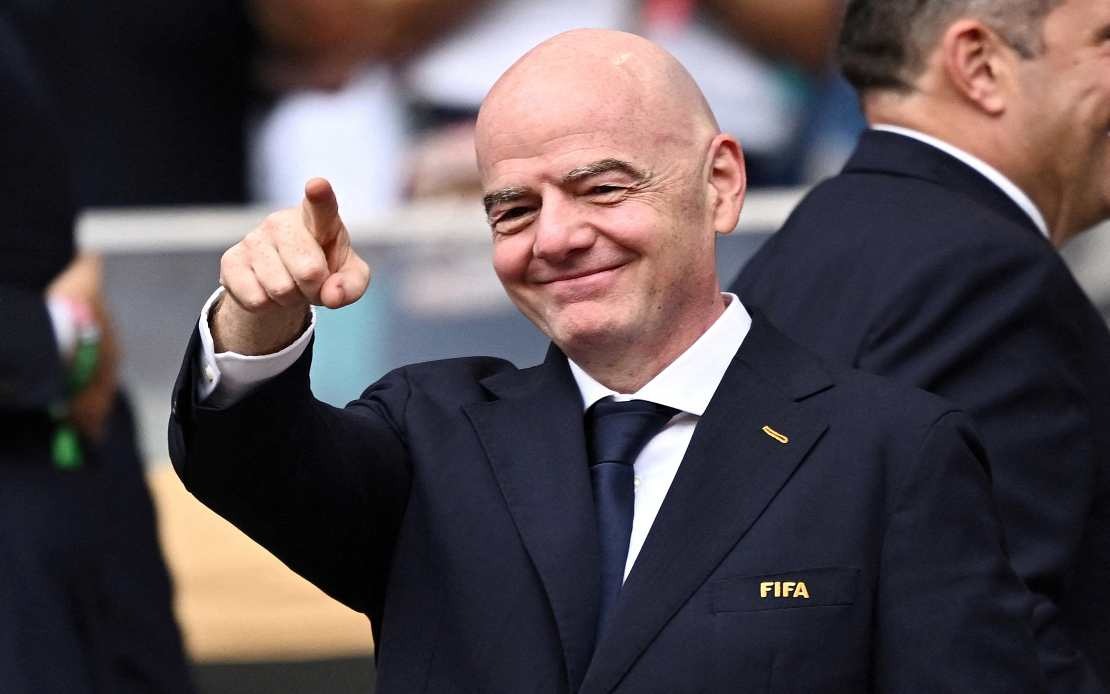
FIFA stands accused of orchestrating a coordinated endorsement campaign by distributing template letters praising President Gianni Infantino to football associations globally, a practice that has intensified scrutiny over the organisation's internal processes and democratic credentials. The pre-written correspondence, which highlighted Infantino's purported achievements in sports infrastructure development and women's football promotion, was systematically sent to national associations ahead of the World Cup tournament scheduled for the United States, Mexico and Canada. What distinguishes this initiative from routine administrative communication is that the letters contained pre-filled names and signatures of association presidents, effectively presenting endorsements without necessarily reflecting the genuine volition of those institutions.
The timing of this campaign carries particular significance given the turbulent backdrop of FIFA's internal politics. Earlier in July, the organisation had announced an ambitious financial restructuring plan worth US$4.2 billion, involving the sale of approximately a 20 per cent stake in a newly created entity that would control FIFA's media and commercial rights portfolio, including valuable World Cup broadcasting and sponsorship agreements. This privatisation strategy immediately attracted controversy and raised uncomfortable questions about the governance implications of ceding partial control of football's most prestigious tournament to external investors.
The proposed investor consortium has been widely identified in media reports as a fund managed by Joshua Kushner, brother of Jared Kushner, the former senior adviser to United States President Donald Trump. The involvement of figures connected to American political circles injected an additional layer of complexity into FIFA's deliberations, inviting speculation about geopolitical dimensions to what ostensibly represented a commercial transaction. For stakeholders across the football world, particularly in regions like Southeast Asia with significant investment in football development, such arrangements raise fundamental questions about where control and decision-making authority ultimately reside.
The distribution strategy behind these templated endorsement letters—partial rather than universal across football associations, with names and signatures already inserted—suggests a carefully calibrated effort rather than organic grassroots support. This selective approach compounds perceptions of manipulation, as it implies FIFA's communications department possessed discretion over which associations would receive such letters and which would not. The fact that not all associations received identical correspondence indicates deliberate targeting, potentially concentrating support among organisations deemed strategically important to Infantino's re-election prospects.
The backlash from European football has been swift and severe. UEFA, the continental governing body representing all European national associations, moved decisively to declare that its member organisations would collectively boycott FIFA tournaments unless the privatisation proposal was entirely abandoned. This represents an extraordinary escalation in intra-football politics, with continental bodies essentially threatening to withdraw from world tournaments—an almost unthinkable scenario that underscores the depth of institutional concern about FIFA's trajectory.
Infantino's position has deteriorated markedly amid mounting pressure from football associations across multiple continents. International media outlets have carried reports suggesting the FIFA president faces genuine jeopardy regarding his tenure, with resignation emerging as a realistic possibility if the political environment continues deteriorating. The convergence of the endorsement letter controversy with the broader financial restructuring dispute has created a perfect storm of governance challenges that strike at FIFA's fundamental legitimacy.
For Malaysian football and regional stakeholders, these developments carry direct implications. FIFA's governance structures shape how resources flow to national associations, how tournament opportunities are allocated, and ultimately how international football development operates across Southeast Asia. Any consolidation of decision-making power at FIFA's apex—whether through privatisation of revenue streams or through manipulated endorsement campaigns—potentially reduces the influence that regional voices can exercise over global football matters. The Association of Southeast Asian Football Federation and its member nations depend on transparent, legitimate FIFA governance to advocate effectively for their interests.
The pre-written letters episode also illuminates broader institutional patterns within FIFA that have long troubled observers of international sport. The organisation's history includes various controversies regarding transparency, accountability, and procedural regularity. This latest incident fits a troubling pattern wherein internal communications and decision-making processes operate according to logics that prioritise leadership consolidation over genuine institutional consultation. The template letter strategy suggests sophisticated public relations management designed to manufacture apparent consensus where none may organically exist.
The financial restructuring proposal itself warrants separate scrutiny beyond questions of Infantino's leadership style. The commercialisation of World Cup media rights through a privatised entity raises profound questions about football's future governance. If external investors acquire stakes in these commercial rights, their interests may increasingly diverge from football development objectives. For developing football nations, particularly those in Southeast Asia still building competitive infrastructure, such arrangements could disadvantage regions with less immediate commercial appeal to international investors.
Football associations within Malaysia and the broader region face a crucial juncture. The current controversy provides an opportunity to advocate for governance reforms ensuring transparent, democratically-accountable FIFA structures. The template endorsement letter controversy demonstrates that without vigilant oversight, even FIFA's electoral processes can become subject to manipulation. Regional associations should coordinate positions emphasising that FIFA's legitimacy depends fundamentally on institutional practices reflecting genuine consultation with member organisations rather than manufactured consensus from above.
The path forward remains uncertain, but the immediate political environment suggests significant upheaval ahead. Whether Infantino ultimately survives this convergence of crises—the privatisation backlash, the governance concerns, and the endorsement letter revelations—will shape FIFA's institutional trajectory for years to come. What remains certain is that global football's governing structures require fundamental recalibration to restore confidence among member associations and ensure that decision-making authority genuinely reflects the diverse interests of the international football community rather than concentrating power among an insulated leadership circle.

