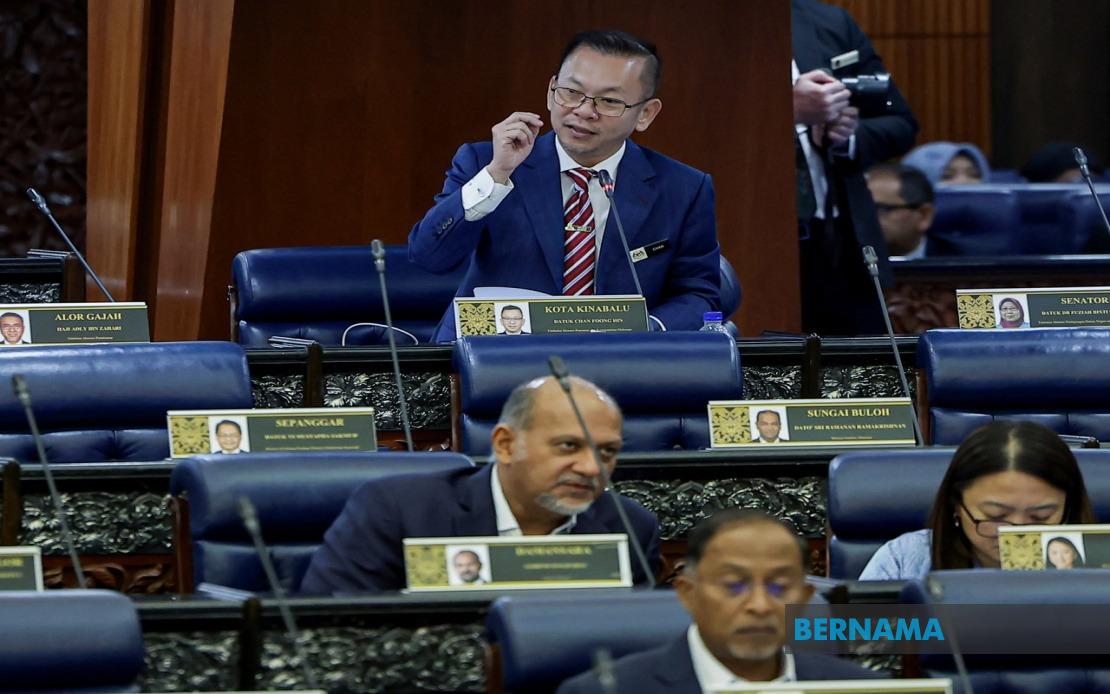
Malaysia's push to establish comprehensive fertiliser legislation has reached an advanced stage, with the Ministry of Agriculture and Food Security confirming that drafting of the Fertiliser Bill is between 70 and 80 per cent complete. Deputy Minister Datuk Chan Foong Hin disclosed the progress during parliamentary proceedings on June 22, signalling that MPs could expect the proposed law to be tabled within a reasonable timeframe. The legislation represents a significant policy pivot toward protecting agricultural interests through standardised regulations governing product quality, market distribution mechanisms and supply chain resilience.
The impetus behind this legislative push reflects mounting concerns from Malaysia's farming community about market vulnerabilities. Parliamentarian Cha Kee Chin raised a supplementary question highlighting farmer complaints that fertiliser availability sometimes becomes compromised during international crises, leaving producers unable to access suitable products. This recurring problem has motivated the government to implement formal controls that would prevent opportunistic price manipulation and ensure consistent access to quality inputs. By establishing statutory frameworks rather than relying on voluntary compliance, policymakers aim to create enforceable protections that safeguard agricultural productivity across seasons and geopolitical circumstances.
The timing of this initiative reflects Malaysia's exposure to global commodity shocks. Recent regional conflicts, particularly in West Asia, have demonstrated how quickly international disruptions cascade into domestic agricultural costs. Rising fuel prices translate directly into elevated expenses for fertiliser production and transportation, compressing farmer margins and threatening food security. The Ministry has identified fertilisers and pesticides as critical inputs whose pricing volatility poses genuine risks to the nation's food production capacity. Recognising this vulnerability, the government has adopted a multi-pronged approach combining immediate relief measures with structural reforms.
Chan outlined several immediate interventions already implemented to mitigate crisis impacts on the farming sector. Temporary sales tax exemptions on fertiliser purchases provide short-term price relief, while expanded special assistance schemes specifically target padi farmers facing elevated input costs. These measures aim to stabilise planting decisions and maintain production levels despite external economic pressures. However, officials acknowledge that temporary interventions cannot substitute for permanent structural solutions, hence the emphasis on completing the Fertiliser Bill and developing longer-term food ecosystem resilience.
Beyond legislation, the Ministry is undertaking a comprehensive review of agricultural infrastructure and supply chain architecture. Plans include establishing emergency stockpile storage facilities designed to buffer against supply disruptions and price volatility. These facilities would function as strategic reserves, allowing government intervention during market crises to stabilise prices and ensure farmer access to essential inputs. The concept parallels strategic petroleum reserves maintained by many nations, adapting that model to agricultural inputs critical for food production. Such infrastructure investments represent substantial capital commitments but address legitimate concerns about Malaysia's dependence on imported fertiliser during periods of global instability.
The proposed legislation addresses specific vulnerabilities within the existing distribution network. Without formal quality standards embedded in law, unscrupulous actors can introduce substandard products into supply chains, particularly during disruption periods when oversight mechanisms weaken. By mandating specific quality parameters and establishing enforcement mechanisms, the bill would protect farmers from purchasing ineffective or potentially harmful inputs. The regulatory framework would also create transparency obligations throughout the distribution chain, making it easier to trace origin, verify authenticity and prevent counterfeiting. Chan emphasised that this quality control dimension forms the cornerstone of broader supply chain protection.
The legislative approach reflects lessons learned from recent commodity crises affecting Southeast Asian economies. Indonesia and Thailand, regional food exporters facing similar pressures, have strengthened agricultural input regulations to ensure domestic producer stability. Malaysia's initiative aligns with these regional trends toward more active government involvement in securing critical agricultural supply chains. Rather than maintaining purely market-driven approaches, policymakers increasingly recognise that strategic food security requires deliberate state intervention during vulnerable periods. The Fertiliser Bill represents Malaysia's formal acknowledgment of this principle and commitment to implementing mechanisms that prevent farmer distress during global turbulence.
Deputy Minister Chan called for parliamentary unanimity in supporting the forthcoming bill, framing it as essential infrastructure for protecting agricultural industry stakeholders. His appeal for cross-party backing suggests the government views fertiliser regulation as a fundamental policy matter transcending partisan differences. The emphasis on unified support reflects recognition that agricultural stability serves national interests irrespective of political affiliation. Farmers and rural communities represent diverse constituencies that benefit from supply chain protections, making the bill's passage a practical priority alongside its symbolic significance.
For Malaysian agricultural stakeholders, the bill's completion would represent a significant regulatory milestone. Farmers operating in increasingly uncertain global commodity markets would gain statutory assurances regarding input quality and availability. Legitimate fertiliser distributors would benefit from clearer regulatory frameworks that eliminate unfair competition from operators willing to market substandard products. Consumers ultimately gain from maintained agricultural productivity and food price stability. The legislation also positions Malaysia more favourably for regional agricultural cooperation, demonstrating institutional commitment to food system resilience that neighbouring countries can trust when negotiating trade and supply arrangements.
The government's timeline for introducing the Fertiliser Bill remains undisclosed, though the 70-80 per cent completion rate suggests parliamentary submission within months rather than years. Once tabled, the bill will enter standard legislative procedures including committee review and floor debate. Given Chan's emphasis on securing parliamentary support, the government appears confident of passage without significant obstruction. Implementation would likely occur gradually, allowing industry stakeholders time to adjust operations to new regulatory requirements while government agencies build enforcement capacity. The entire process—from current drafting completion through parliamentary approval to operational implementation—will require coordination across multiple government departments and engagement with agricultural industry representatives.