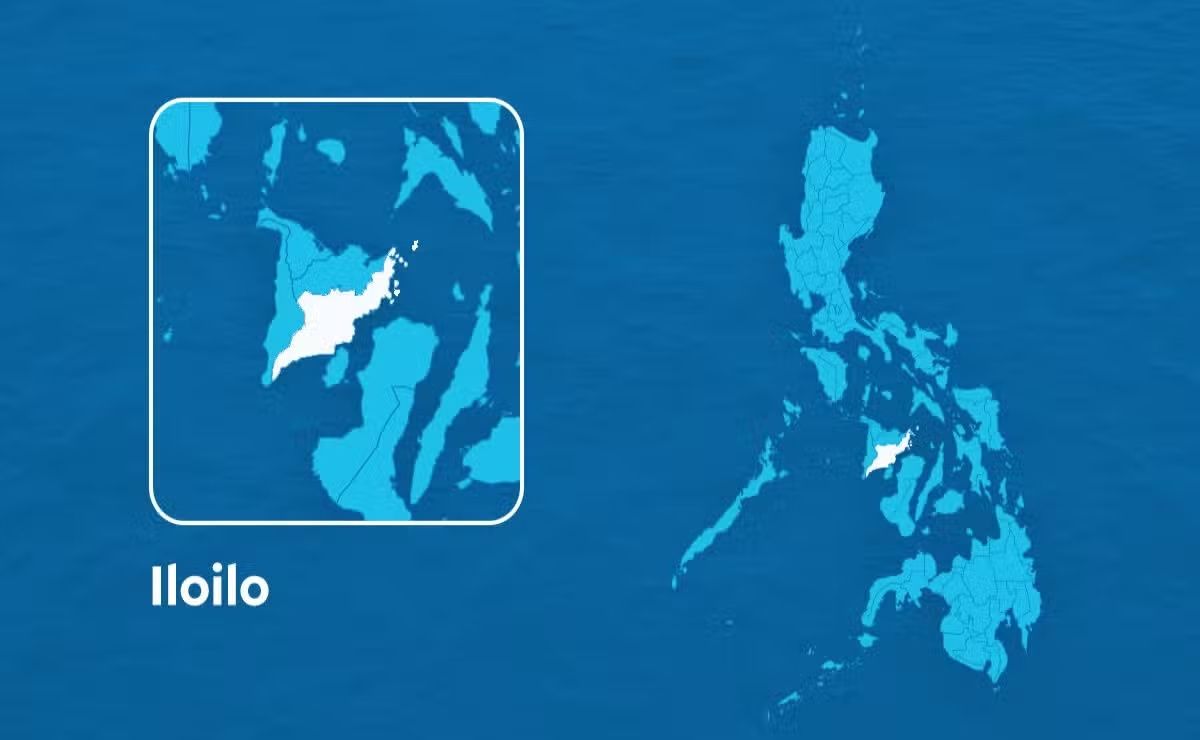
An Iloilo-based businessman has surfaced in the spotlight after being added to the Federal Bureau of Investigation's Most Wanted Fraudsters list, prompting his family to step forward with information about his whereabouts and medical condition. Rey Grabato II, whose case involves allegations of conspiracy to commit securities fraud, wire fraud, and tax-related offences, remains in his home province despite the high-profile listing announced by the FBI on Thursday, August 13. The confirmation came from multiple family members, including his father Rey Grabato, the town mayor of Mina in Iloilo, who acknowledged his son's presence in the region but refrained from elaborating further on the matter.
The family's disclosure appears calculated to manage public perception during a vulnerable period. Rather than remaining silent, the Grabato household released coordinated statements explaining their position and drawing attention to circumstances that, in their view, warrant consideration. Christopher Rey Grabato, the businessman's younger brother, issued a detailed family statement through social media on Friday evening, deliberately framing the narrative around medical emergency rather than legal culpability. This approach suggests a strategy to humanise the accused individual while gently pushing back against the severity of the federal charges.
According to the FBI's announcement, Rey Grabato II faces multiple serious allegations spanning financial crimes. The charges include conspiracy to commit securities fraud, substantive securities fraud violations, conspiracy to commit wire fraud, wire fraud itself, and conspiracy to defraud the United States with respect to tax matters. These are not minor infractions; collectively, they suggest involvement in a sophisticated scheme to manipulate financial markets and defraud both investors and the American government. The specificity of the FBI's accusations indicates a substantial investigation preceded the public designation, likely involving cooperation from financial regulators and prosecutors.
The family has maintained that neither Rey Grabato II nor any authorised representatives have received formal notification from Philippine or American authorities. This assertion carries legal significance, as it potentially affects the timeline for compliance and formal proceedings. For Malaysian observers, this situation mirrors complexities that sometimes arise when individuals with alleged connections to white-collar crimes across multiple jurisdictions attempt to navigate legal systems from a distance. The absence of formal service raises questions about whether Philippine authorities have been apprised of the FBI listing and what mechanisms exist for cooperation between the countries' law enforcement agencies.
Central to the family's defence is Rey Grabato II's medical condition, which they describe as severe and debilitating. Following a stroke, they claim he is now partially paralysed and suffers significant limitations in mobility, communication, and cognitive function. Christopher Rey's statement emphasised that ongoing medical care, rehabilitation, and recovery constitute the family's immediate priorities. While such health circumstances may be genuine, the timing of this revelation—immediately following the FBI designation—invites scrutiny about whether the health claims are being deployed strategically to manage expectations about his ability to face charges or cooperate with authorities.
The allegations centre on Rey Grabato II's involvement with National Realty Investment Advisors (NRIA), an entity that has become the focus of federal investigation. However, the family introduced a crucial distinction regarding his actual operational role. Christopher Rey cited reporting from Barron's, the financial publication owned by Dow Jones & Company, which referenced federal prosecutors describing Rey Grabato II's leadership position at NRIA as merely "titular." This characterisation, if accurate, would suggest that while he held a nominal title, actual control and decision-making resided elsewhere within the organisation. Such a distinction carries weight in fraud cases, where prosecutors typically target individuals with operational authority and knowledge of illicit schemes.
To bolster this argument, the family pointed to Thomas Nicholas Salzano as the individual who genuinely wielded governance authority at NRIA. According to the Grabato family's account, Salzano held the substantive management position and has already been apprehended by federal authorities. By highlighting another person's involvement and prior arrest, the family strategy appears designed to redirect investigative attention and suggest that Rey Grabato II may have been a figurehead rather than an architect of whatever wrongdoing occurred. This narrative construction attempts to create ambiguity about culpability and decision-making responsibility.
For Malaysian and Southeast Asian readers, this case illustrates the increasingly borderless nature of financial crime investigation. The FBI's reach extends globally, and designations like Most Wanted status can significantly impact individuals' freedom of movement and commercial opportunities. The Philippines' relationship with American law enforcement, including mutual legal assistance treaties and extradition arrangements, means that individuals implicated in United States-based fraud schemes cannot assume indefinite sanctuary by remaining in Southeast Asia. Recent years have witnessed multiple instances of high-profile financial crime suspects being apprehended or extradited from the region to face American justice.
The family's public relations approach also reflects broader patterns in how accused individuals manage reputational damage in an age of digital communication and immediate information dissemination. By releasing statements through social media and courting media attention, the Grabato household has effectively seized narrative control, at least temporarily, presenting their version of events before prosecutors or the FBI could frame the story publicly. This proactive disclosure strategy differs markedly from remaining silent, though it also carries risks by inviting further scrutiny and establishing positions that may prove legally problematic if inconsistent with eventual evidence presentation.
The case raises important questions about how Philippine authorities will respond to the FBI listing. Will the Philippine National Police or the National Bureau of Investigation independently pursue investigation or arrest, or will they await formal extradition requests? The protocols governing such situations reflect sovereignty concerns and bilateral relationships. For ordinary Malaysians and regional citizens, such cases underscore the importance of financial sector transparency and the consequences of involvement in cross-border schemes targeting investors or governments. Even family connections to prominent local figures—such as the relationship to a sitting municipal mayor—cannot shield individuals from federal prosecution when serious financial crimes are involved.
The immediate period ahead will likely determine whether Rey Grabato II voluntarily submits to authorities or attempts to manage his situation through legal proceedings in the Philippines. The family's stated commitment to addressing matters through proper legal forums suggests they may be exploring options within Philippine courts or negotiating potential surrender terms. Meanwhile, his medical condition will remain a focal point of discussion, with both defence and prosecution potentially viewing his stroke as either mitigation or a complicating factor in case processing. The case serves as a stark reminder of how rapidly an individual's circumstances can change with a federal designation and the importance of transparent financial practices in an increasingly interconnected global economy.

