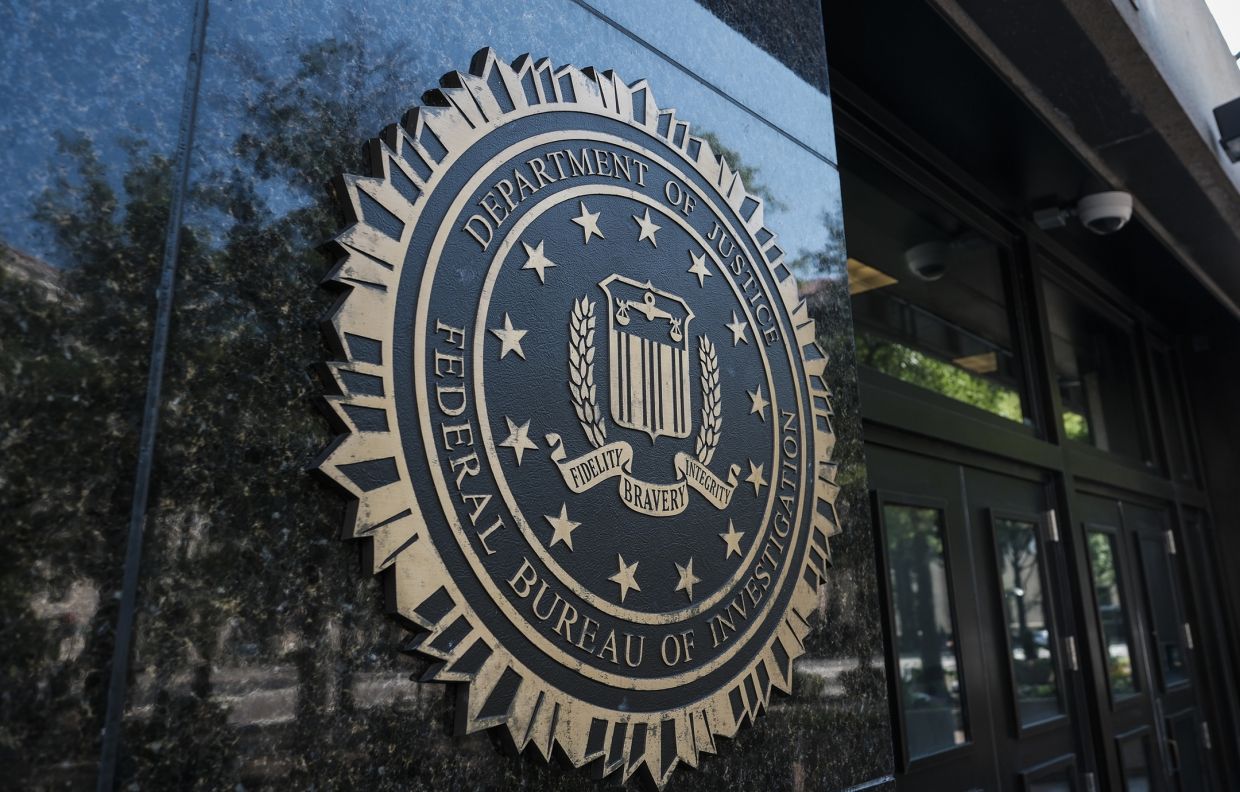
A supervisory Federal Bureau of Investigation agent working in Washington has confessed to unlawfully taking cryptocurrency from a criminal investigation, marking a significant breach of trust within one of America's premier law enforcement agencies. Patrick Yaroch made the admission after experiencing what court documents describe as a crisis of conscience, finally disclosing his actions to an unnamed Justice Department employee because the guilt was, according to an affidavit, "eating him up inside." The disclosure represents a rare moment of self-reckoning within federal law enforcement, though it raises serious questions about oversight mechanisms and the vulnerabilities inherent in investigations involving digital assets.
The scale of the alleged theft came into sharper focus once authorities conducted a thorough examination of Yaroch's cryptocurrency wallet. While the agent initially downplayed the amount, suggesting it fell below US$1 million (RM4.09 million), investigators discovered approximately one million dollars stored in the digital account. This discrepancy between Yaroch's own recollection and the actual funds discovered underscores the nature of cryptocurrency holdings, where digital assets can be difficult to track and account for, particularly when mingled with legitimate personal finances.
According to charging documents, Yaroch's theft occurred in a remarkably brazen manner. The agent utilised a pass phrase to access the suspect's cryptocurrency account that the FBI itself had legitimately obtained during its investigation of the individual under suspicion. Between late 2024 or early 2025, Yaroch conducted between ten and twelve separate withdrawals, systematically draining the account over several months. This methodical approach suggests premeditation rather than an impulsive act, complicating any narrative of momentary weakness or poor judgment.
Yaroch's stated motivations, as documented by investigators, reveal a complex psychological profile. The agent told colleagues he had been "spinning out of control" and expressed deep frustration that the FBI either could not or would not take action against what he characterised as adversarial cryptocurrency accounts. This grievance appears to have festered, eventually manifesting in direct action. His expressed frustration with institutional constraints reflects broader tensions within law enforcement regarding the handling of cryptocurrency-related crimes, a domain that continues to challenge traditional investigative approaches and inter-agency coordination.
The circumstances surrounding Yaroch's arrest reveal the speed with which authorities moved once his misconduct came to light. Despite indicating his willingness to continue cooperating with investigators and scheduling a meeting for August 3 after consulting with legal counsel, the FBI moved decisively over the preceding weekend. Agents executed a search warrant on his residence and took him into custody on charges of possession of stolen property. This rapid action, while protecting evidence and preventing potential flight, also meant Yaroch was detained before fully engaging with a defence attorney, a procedural reality that may shape legal proceedings ahead.
Notably, charging documents do not yet indicate that Yaroch faces formal theft accusations, a decision that may reflect the investigative timeline's compressed nature. Authorities prioritised securing his arrest and controlling evidence before pursuing comprehensive charges, suggesting prosecutors are still building their case or may be considering a negotiated resolution. The absence of a named lawyer in court records at this preliminary stage indicates Yaroch has not yet formally secured legal representation, a critical juncture in any federal criminal proceeding.
Internal communications regarding Yaroch's digital behaviour provide additional insight into his state of mind during the relevant period. Internet activity logs reveal that in May, he queried ChatGPT seeking investment advice for approximately US$1 million, specifically articulating aspirations toward early retirement around age forty and an idyllic vision of establishing a vineyard or agricultural lifestyle in regions like Cilento, Italy or Portugal's Dao valley. These searches illustrate the tension between Yaroch's legitimate professional standing and his apparent dissatisfaction with his financial trajectory, suggesting the stolen funds were earmarked for personal enrichment rather than other motives.
The case presents particular concern for Malaysian and Southeast Asian readers given the region's increasing prominence in digital asset markets and cryptocurrency adoption. Investigations into financial crimes increasingly involve cryptocurrency holdings, and this incident highlights vulnerabilities in how law enforcement agencies manage evidence and access to digital assets. The ability of a federal officer to exploit his investigative access represents precisely the kind of insider threat that emerging digital economies must guard against, particularly as cryptocurrency use expands across Asia.
Beyond the specific conduct at issue, the episode raises systemic questions about oversight and compartmentalisation within federal investigations. How Yaroch accessed the account, whether multiple approvals were required, and what audit trails existed to monitor such access represent operational concerns that reverberate throughout the intelligence and law enforcement community. Particularly troubling is the suggestion that months elapsed before his activities were discovered, raising questions about the detection mechanisms supposedly in place to prevent exactly this scenario.
The distinction between Yaroch's candid admission and the lack of formal theft charges may also signal broader prosecutorial strategy. Federal authorities might be using the current charges as leverage to secure fuller cooperation, or they may be building a more comprehensive case involving additional charges related to wire fraud, money laundering, or violations of the Computer Fraud and Abuse Act. The decision to proceed with possession of stolen property charges initially suggests prosecutors view that pathway as the most straightforward approach given the circumstances and evidence currently available.
This case arrives amid renewed scrutiny of cryptocurrency's role in crime and its exploitation by bad actors operating from multiple jurisdictions. That law enforcement itself becomes implicated in misappropriation only complicates the broader narrative around digital asset security and legitimacy. For Malaysian regulators and law enforcement agencies increasingly tasked with addressing cryptocurrency-related crimes, the Yaroch incident offers an uncomfortable lesson about the importance of robust internal controls, transparent evidence management procedures, and the fundamental risks posed when access to valuable digital assets is insufficiently monitored and constrained by institutional safeguards.

