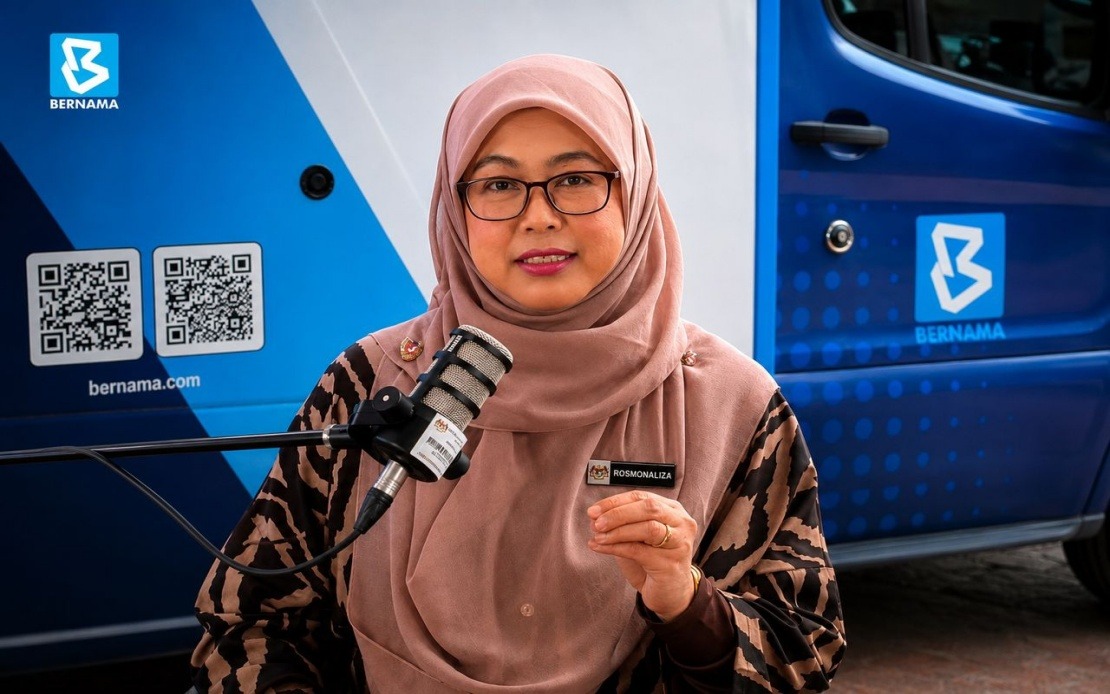
The traditional notion of fatherhood as purely economic provision is increasingly outdated in contemporary Malaysian society, according to the National Population and Family Development Board (LPPKN). Speaking on the KASIH Lensa Keluarga podcast, Rosmonaliza Abdul Ghani, director of LPPKN's Family Well-being Division, stressed that fathers today must assume multifaceted responsibilities encompassing emotional communication, psychological support, and direct involvement in their children's educational journeys. This paradigm shift reflects broader transformations in how families function and interact within Malaysia's rapidly evolving social landscape.
The shift from viewing fathers solely as financial providers to recognizing them as catalysts for building cohesive family units marks a significant evolution in how Malaysian society understands masculine responsibility within households. Rosmonaliza articulated that fathers now serve as fundamental agents of change, instrumental in creating the stable, emotionally secure environments that allow families to withstand modern pressures. This reconceptualization does not diminish the importance of economic contribution but rather situates it alongside equally vital emotional and relational dimensions that sustain family resilience over time.
Effective family communication has become indispensable in ensuring that fathers remain engaged and relevant throughout their children's developmental stages. The ability to articulate feelings, listen actively, and respond with empathy represents a skill set that many fathers must consciously cultivate, departing from patterns inherited from previous generations where emotional restraint was often valorized. LPPKN emphasizes that developing these communicative competencies strengthens the fabric of family relationships, creating pathways for children to internalize healthy relationship models they will carry into their own adult lives.
The willingness of Malaysian men to seek professional guidance has notably increased, reflecting growing recognition that fatherhood encompasses psychological dimensions requiring expertise and external support. Men increasingly attend counselling sessions both individually and alongside their spouses and children, dismantling stigmas that once discouraged male participation in therapeutic processes. This trend demonstrates a maturation in how Malaysian society conceptualizes masculine strength, understanding it not as stoic self-reliance but as the wisdom to recognize when professional assistance can strengthen one's capacity to serve family members effectively.
LPPKN's comprehensive support infrastructure addresses the multifaceted challenges fathers encounter in contemporary life. The organization provides counselling services, therapeutic interventions, and personality assessments specifically tailored to help fathers navigate financial stress, mental health struggles, and the cumulative pressures of modern existence. By establishing safe spaces where men can articulate vulnerabilities without judgment, LPPKN acknowledges that isolated suffering frequently precedes family breakdown and that preventive support directed toward fathers ultimately protects entire family systems.
The absence of engaged father figures in households cascades through generations, perpetuating cycles of social dysfunction that extend far beyond individual families. Through extensive work with urban communities and vulnerable populations, practitioners have observed that parental disengagement, substance abuse, and economic hardship frequently converge to erode family stability. These interconnected challenges demand interventions rooted in compassion rather than punishment, recognizing that many fathers caught in these circumstances require pathway reconstruction rather than moral condemnation.
Approaches that integrate religious and cultural values have demonstrated particular effectiveness in encouraging fathers to reclaim their household leadership roles with renewed purpose. When outreach strategies honor the dignity of individuals struggling with personal challenges, they create psychological openings where men become receptive to behavioral transformation. This compassion-centered methodology proves more effective than punitive frameworks in motivating sustained behavioral change, particularly among individuals whose circumstances have previously reinforced defensiveness or social withdrawal.
The interdependence between fathers and their support systems—particularly spouses and children—represents a crucial mechanism through which men can process life pressures and prevent psychological deterioration. When family members actively recognize paternal sacrifices and offer emotional reciprocity, they create mutual support networks that buffer against isolation and despair. Conversely, when fathers feel unappreciated or disconnected from family acknowledgment of their contributions, psychological vulnerability intensifies, potentially leading to problematic coping mechanisms.
Quality time investment yields returns far exceeding material provision in shaping children's psychological well-being and attachment security. Rosmonaliza underscored that children's memories of paternal presence—characterized by attentive interaction, genuine interest in their development, and consistent emotional availability—ultimately outweigh accumulated possessions in determining their sense of being valued and secure. This distinction carries profound implications for how Malaysian fathers allocate their finite time and energy, suggesting that some reordering of priorities from material accumulation toward relational presence yields significantly enhanced family outcomes.
The transition toward expanded fatherhood roles aligns with broader Southeast Asian social movements recognizing that gender flexibility within families strengthens rather than undermines household stability. As Malaysian families navigate economic pressures, educational competition, and rapid urbanization, fathers who can competently manage emotional landscapes while supporting educational aspirations become essential anchors. This evolution does not represent a rejection of traditional masculine contributions but rather their integration within a more comprehensive vision of paternal responsibility suited to contemporary family realities.
For Malaysian fathers themselves, this emerging framework offers liberation from the constraining identity of mere provider, creating permission to develop fuller emotional and relational capacities. The implicit message from LPPKN and allied practitioners is that modern fatherhood represents an opportunity for personal growth and psychological maturation, not an additional burden. When framed as self-development rather than obligation, these expanded responsibilities become more readily embraced by men seeking greater meaning and connection within family systems.

