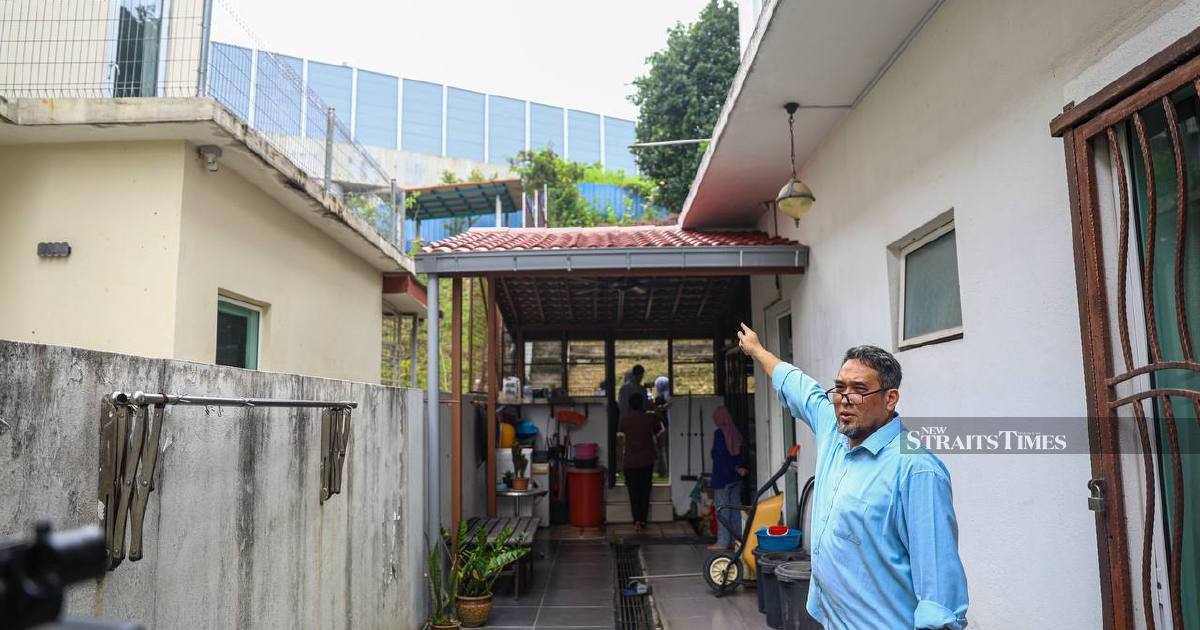
A Malaysian family has initiated legal action seeking RM1.33 million in compensation from three entities associated with the East Coast Rail Link (ECRL) project, contending that ongoing construction activities have placed their residence at serious structural and safety risk. The lawsuit underscores growing concerns about how major infrastructure initiatives in Malaysia navigate their obligations towards nearby residential communities and property owners who may be adversely affected by project operations.
The ECRL represents one of Southeast Asia's most significant rail infrastructure undertakings, designed to enhance connectivity along Malaysia's eastern corridor by linking Kuala Lumpur with Kota Bharu in Kelantan. Spanning approximately 665 kilometres, the project has involved substantial earthworks, tunnelling, and construction activity across multiple states. While such megaprojects bring promised economic benefits through improved transportation efficiency and trade facilitation, they frequently generate challenges for residents in proximity to construction zones who face dust, vibration, noise, and potential structural impacts on their properties.
The family's grievance centres on allegations that the defendants' construction methodologies and operational practices have compromised the fundamental structural integrity of their dwelling. This raises pertinent questions about the adequacy of baseline surveys and ongoing structural monitoring protocols that project contractors implement before commencing heavy construction activities near residential areas. In Malaysia, establishing documented baseline conditions is crucial for defending against claims that pre-existing defects rather than construction activities caused property damage.
Property owners affected by major infrastructure development often face considerable difficulty in proving causation between specific construction activities and damage to their homes. The burden typically falls on the complainant to demonstrate that construction works were the direct cause of deterioration, not age-related wear or pre-existing vulnerabilities. This legal and technical challenge means families must often engage independent structural engineers and geotechnical experts to build evidence-based claims, incurring substantial costs in the process.
The compensation quantum of RM1.33 million suggests the family has sought to quantify not only direct structural repair costs but potentially additional damages including property devaluation, temporary relocation expenses, and the cost of protective remedial measures undertaken to prevent further deterioration. Such claims typically require detailed assessments of repair estimates from qualified structural engineers, comparative property valuations, and documented expenses incurred in attempting to mitigate ongoing risks.
Infrastructure projects of ECRL's complexity generate inherent risks for surrounding properties through vibration from pile-driving and heavy machinery, settlement caused by ground displacement during tunnelling, and increased truck traffic from material transport operations. While modern construction standards mandate environmental and social impact assessments before project commencement, implementation gaps sometimes emerge between theoretical protections outlined in planning documents and actual site-level practices during the extended construction phase.
The lawsuit highlights the importance of robust community relations and grievance mechanisms within major project frameworks. Establishing clear protocols for property impact documentation, proactive engagement with affected residents, and transparent dispute resolution pathways can prevent costly litigation and preserve community confidence in large-scale development initiatives. When these mechanisms function inadequately, residents may feel compelled to pursue legal remedies as their only avenue for addressing legitimate concerns.
For Malaysia's broader infrastructure development agenda, this case carries implications for how subsequent megaprojects approach community safeguarding. As the nation advances plans for rail corridors, urban development, and transportation networks, establishing best-practice standards for pre-construction baseline surveys, continuous structural monitoring, and proactive compensation mechanisms could reduce litigation risks and enhance project sustainability. Neighbouring countries in Southeast Asia grappling with similar infrastructure expansion likewise face comparable challenges in balancing development imperatives with resident protection.
The defendants' perspective and their specific responses to the structural safety allegations remain important to the case's ultimate resolution. Project entities typically contend that construction has proceeded according to approved methodologies and regulatory requirements, with any property issues resulting from pre-existing conditions or causes unrelated to project activities. The courts will ultimately weigh evidence from both parties, including expert testimony regarding construction practices, structural assessments, and causation analysis.
This dispute also reflects broader patterns whereby property owners in Malaysia increasingly assert their rights through litigation when they perceive inadequate protection from statutory authorities or insufficient responsiveness from project developers. As development pressure intensifies across the region, the legal and financial implications of property damage claims associated with major infrastructure work merit careful attention from both private developers and government agencies tasked with project oversight and community protection.
The case's progression through Malaysia's courts will likely provide useful precedent regarding evidentiary standards for causation in construction impact cases and the scope of responsibility that project entities bear towards nearby residential properties. Depending on the outcome, this litigation may influence how future megaprojects in Malaysia structure their community engagement frameworks and engage with residents reporting structural concerns during the active construction phase.

