Penang's durian sector is receiving renewed policy attention as the Federal Agricultural Marketing Authority launches an intensified intervention programme designed to stabilise prices and improve market access during this year's peak harvest. The 2026 Seasonal Fruits Marketing and Intervention Plan, unveiled at the Penang Durian Festival in Nibong Tebal, reflects growing recognition that effective market coordination is essential to protecting farmer incomes when production volumes surge across Malaysia's leading durian states.
According to Penang FAMA director Mohd Hafiz Nurulhuda, local output is forecast to exceed 18,000 metric tonnes this year, marking a modest increase from approximately 17,000 metric tonnes in the previous season. This production growth, while economically significant, does present real challenges for market stability, particularly when combined with rising yields in other major producing regions such as Pahang and Johor. However, Penang's vulnerability to oversupply pressures is tempered by its product composition and premium positioning, factors that distinguish it from states relying more heavily on commodity-grade varieties.
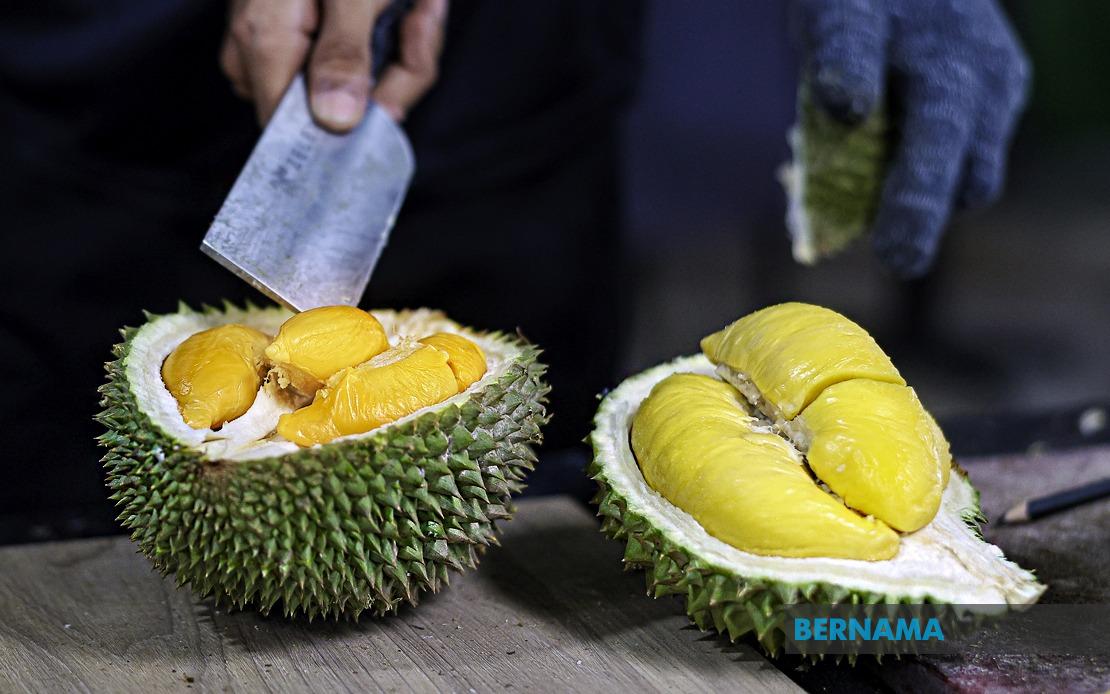
A critical structural advantage protecting Penang growers is the composition of local output. Roughly 70 per cent of Penang's durian production comprises premium-grade cultivars, with only about 30 per cent consisting of kampung varieties that compete in the lower-priced segment. This skew toward high-value exports means the state is less exposed to the worst effects of downward price pressure that can devastate growers producing commodity durians. Premium varieties such as 'Black Thorn' and 'Musang King', which command commanding premiums in both domestic and export markets, have maintained stable pricing between RM30 and RM40 per kilogramme throughout the marketing period, reflecting sustained consumer demand.
FAMA's intervention strategy pivots on direct market support mechanisms designed to prevent price collapse for lower-grade fruit. The authority is implementing a forward agreement to purchase approximately 85 metric tonnes of durians from local growers, functioning as a stabilising buyer when market conditions weaken. More substantially, FAMA has established a price floor mechanism guaranteeing growers a minimum of RM2.70 per kilogramme for kampung durian, a safety net that aims to sustain farmer income and prevent forced sales at distress prices during periods of temporary oversupply.
Distribution infrastructure has been expanded to enhance market access and reduce the logistical friction that can impair price realisation. Two temporary collection centres established in Balik Pulau and Seberang Jaya have already channelled approximately 50 metric tonnes of durian through formal marketing networks this season. Beyond these collection points, FAMA has supplied 310 metric tonnes to its existing retail and wholesale outlets across Malaysia, while simultaneously pursuing direct sales expansion into the Klang Valley, the country's largest metropolitan consumption centre and a natural market for Penang's premium output.
The intensified marketing effort reflects a broader strategic reorientation toward positioning Penang as a destination for premium durian experiences, transcending simple commodity distribution. FAMA is actively developing agro-tourism projects and upgrading orchard infrastructure, investments that serve multiple purposes: they support higher-value processing and experiential marketing, strengthen farmer resilience by diversifying income streams beyond fresh fruit sales, and reinforce Penang's brand identity as a gateway to Malaysia's elite durian sector. These projects align with broader Southeast Asian trends toward value-added agricultural tourism, where consumer experiences and product quality command significant price premiums.
The policy initiative was formally launched at the Penang Durian Festival by Chief Minister Chow Kon Yeow alongside the broader 'Road to MAHA 2026' programme, signalling state-level political commitment to agricultural development. This layered endorsement underscores the economic and social significance of the durian sector to Penang, where fruit farming remains a substantial source of rural employment and export revenue. The integration of durian marketing support within a state-level agricultural advancement agenda reflects recognition that competitive positioning in regional and international markets requires coordinated public investment.
For Malaysian consumers, particularly those in urban centres like Kuala Lumpur and Selangor, the expanded distribution channels and marketing initiatives promise improved access to Penang durians at more stable prices. The strategy aims to reduce price volatility that often frustrates retail purchasers and ultimately depresses consumption. By ensuring reliable supply channels and protected farm-gate prices, FAMA's intervention indirectly benefits downstream consumers by supporting the sustainability of production and preventing the supply chain disruptions that can spike retail prices or create seasonal shortages.
From a regional perspective, Penang's durian marketing consolidation occurs within a competitive context where Thailand and Indonesia increasingly challenge Malaysia's traditional dominance in premium durian exports. Strategic investments in quality infrastructure, agro-tourism, and brand development represent prudent positioning to sustain market share against emerging competitors. The emphasis on premium varieties and experiential marketing reflects global consumer preferences that increasingly favour authenticity and origin stories over commodity competition based purely on price.
The intervention framework also illustrates how Malaysian agricultural policy is evolving toward more sophisticated market management rather than simple subsidy approaches. Price floors, forward purchasing agreements, and infrastructure investment represent targeted support that encourages efficiency and competitive improvement while providing genuine income protection. This approach contrasts with blanket subsidies that can create market distortions and encourage inefficient production.
Looking forward, the success of Penang's durian marketing strategy depends partly on factors beyond immediate FAMA control, including regional harvests, export market conditions, and consumer demand patterns. However, the multi-faceted intervention programme—combining price support, distribution expansion, and value-addition through agro-tourism—substantially strengthens the sector's ability to weather market volatility. As Malaysian agriculture increasingly faces competition from regional producers and changing consumer preferences, such coordinated and comprehensive support mechanisms may become essential to sustaining viable farm incomes and securing Malaysia's position in premium fruit markets.

