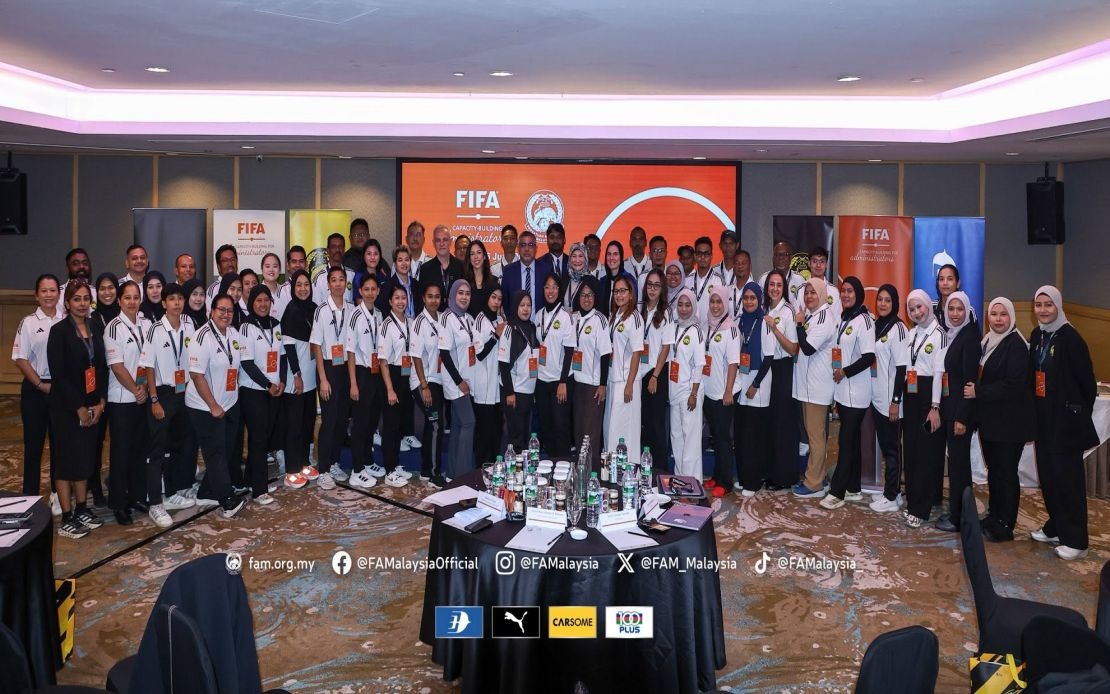
The Football Association of Malaysia (FAM) has initiated a significant capacity-building effort designed to elevate the professionalism and organisational strength of women's football through enhanced administrative practices and management expertise. The FIFA Capacity-Building For Administrators 2026 programme, which commenced on June 23, represents a strategic pivot toward developing the off-field infrastructure that underpins competitive success in the sport across the nation.
This four-day programme distinguishes itself by positioning institutional development as equally vital to technical advancement in women's football. Rather than concentrating solely on player development and tactical training—the traditional focus of sports development initiatives—FAM has recognised that sustainable growth requires competent managers, skilled administrators, and effective governance structures. The distinction reflects a maturing approach to women's sports development globally, where countries are increasingly recognising that elite performance depends fundamentally on capable operational systems and well-trained personnel managing competitions, clubs, and player welfare.
The curriculum addresses four interconnected domains essential to modern football administration. The Women's Leadership module aims to cultivate confidence and capability among female decision-makers in the football ecosystem, addressing persistent gender imbalances in sports management roles across Asia. Women's Competition examines how tournament structures, regulations, and scheduling directly impact player development pathways and fan engagement. The Club and Players' Rights component ensures participants understand contractual protections, welfare standards, and professional obligations that safeguard athletes while enabling clubs to operate sustainably. Strategic Planning provides frameworks for long-term thinking beyond individual seasons, helping administrators chart coherent development trajectories aligned with national objectives.
FAM has partnered with FIFA's Women's Football Development Experts Safia Abdeldayem and Pema Choden Tshering to deliver this initiative. The selection of international expertise reflects FIFA's systematic approach to elevating women's football standards globally, particularly in emerging markets where administrative infrastructure may lag behind playing development. Expert facilitation ensures participants benefit from international best practices and evidence-based approaches rather than relying solely on domestic experience, which may be limited in newly professionalised women's football contexts.
The programme's timing and scope signal FAM's commitment to positioning Malaysian women's football competitively within Southeast Asia and beyond. Thailand, Vietnam, and other regional competitors have invested substantially in women's football development, creating competitive pressure that extends beyond match performance to organisational capability. Countries fielding professionally managed national teams and club systems attract better sponsorships, international investment, and media coverage—creating virtuous cycles of growth. Malaysian women's football risks falling behind if administrative capacity fails to match regional peers' institutional sophistication.
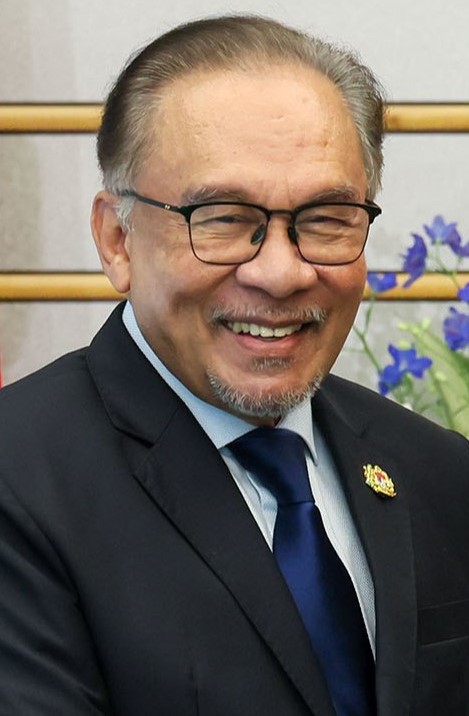
FAM leadership's visible participation underscores institutional priority. Datuk Noor Azman Rahman, FAM Secretary-General, alongside Datuk Suraya Yaacob—who serves on both FIFA's Women's National Team Competitions Committee and the Asian Football Confederation's Women's Football Committee—and Soleen Al-Zoubi, FAM Women's Football Technical Director, participated in the programme launch. This alignment of senior decision-makers signals that women's football administration development receives genuine strategic commitment rather than tokenistic attention, a distinction that shapes organisational follow-through and resource allocation.
FAM explicitly frames this initiative as foundational to sustainability and ecosystem strength. The federation acknowledges that expanding the cadre of skilled team managers, club administrators, and women leaders in football governance creates multiplier effects across the sport. When more women occupy positions of authority and expertise in football administration, they model possibilities for younger generations, establish networks that facilitate information-sharing and best-practice adoption, and bring diverse perspectives to decision-making. This demographic diversification of leadership strengthens institutional resilience and decision quality.
The programme aligns with FIFA's strategic objective of advancing women's football development worldwide. FIFA has committed substantial resources to building administrative capacity in emerging markets, recognising that globalisation of women's football requires participants across all organisational levels—not merely elite players and coaches. By partnering with FIFA, FAM gains access to proven curriculum frameworks, international expertise, and networks connecting Malaysian administrators to peers elsewhere navigating similar development challenges. These networks facilitate ongoing learning and knowledge exchange beyond the four-day programme.
For Malaysian women's football, the initiative addresses a critical development gap that often goes unrecognised in public discourse focused on match results. Tournament organisation, player contract administration, club financial management, and competition regulation quality profoundly influence whether players pursue professional careers domestically or migrate to better-administered systems abroad. Improving administrative standards helps retain domestic talent while attracting international players, both outcomes essential to competitive team performance. Strong administration also facilitates female participation at grassroots levels by ensuring child safeguarding protocols, fair competition structures, and clear pathways from youth to professional football.
The programme's emphasis on strategic planning carries particular significance for Malaysian women's football, which operates within competitive and budgetary constraints. Strategic planning disciplines force administrators to prioritise investments, align short-term activities with long-term visions, and measure progress systematically. Rather than reacting opportunistically to immediate challenges, strategically-minded administrators can construct logical progressions: developing youth infrastructure today to produce competitive senior teams tomorrow, investing in administrative systems now to reduce inefficiencies and costs later.
Regional context adds urgency to FAM's capacity-building emphasis. Southeast Asian women's football has experienced explosive growth in recent years, with increased commercial investment, media coverage, and international participation. Malaysia's ability to capitalise on this regional momentum depends partly on having administrators capable of negotiating sponsorship agreements, managing media relations, coordinating international matches, and maintaining compliance with AFC and FIFA regulations. Institutions that fail to develop these capabilities risk marginalisation despite having talented players.
Looking forward, FAM's commitment to systematic administrator development should extend beyond this single programme. Building lasting administrative capacity requires ongoing investment in training, mentorship, career pathways, and knowledge-management systems that retain organisational learning even as individual staff transition. FAM's framing of this initiative as part of broader women's football ecosystem strengthening suggests recognition that sustainable advancement requires patient, multi-year institutional development complementing parallel investments in playing development, commercial partnerships, and grassroots participation.