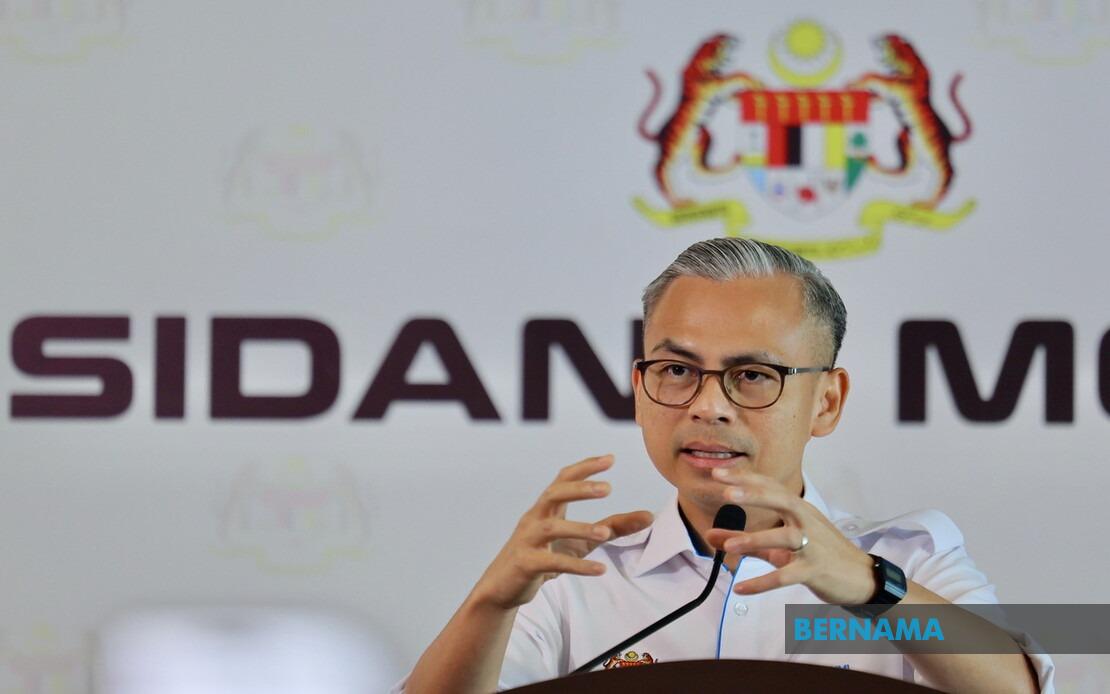
Communications Minister Datuk Seri Fahmi Fadzil has appealed to Malaysians to unite across ethnic, religious and cultural lines as the nation approaches its annual celebrations of sovereignty and self-determination. In his 2026 National Day and Malaysia Day message, Fahmi reflected on the historical sacrifices that secured Malaysia's independence, framing the freedoms and institutions Malaysians enjoy today as a direct inheritance from struggles undertaken by previous generations whose contributions must not be forgotten or undervalued.
Fahmi's message emphasises that preserving national cohesion represents an active responsibility rather than a passive inheritance. By calling on citizens to transcend demographic divisions, he positions unity as both a moral imperative and a practical necessity for continued development. His framing suggests that Malaysia's strength derives not from demographic homogeneity but from deliberate, sustained commitment to mutual respect and collaborative nation-building across all segments of society.
The minister specifically invoked the 2026 celebration theme, "Malaysia MADANI: Kesejahteraan Dinikmati," which translates to prosperity that is genuinely enjoyed and experienced. This thematic focus signals a shift in emphasis from abstract national ideals toward tangible improvements in living standards and quality of life for ordinary Malaysians. The theme's language suggests that national progress should manifest in measurable, everyday improvements rather than remaining confined to policy documents or political rhetoric.
Crucially, Fahmi framed development and prosperity as a collective responsibility requiring shared commitment rather than outcomes that government alone can deliver. This rhetorical approach acknowledges that national development depends on contributions from civil society, the private sector, community organisations and individual citizens. The emphasis on shared responsibility potentially signals government recognition that sustainable progress requires buy-in and active participation across society rather than top-down implementation of policies.
The minister's call for development benefits to reach all Malaysians directly addresses concerns that economic growth may concentrate wealth among particular groups or regions. For a diverse, multi-ethnic nation with significant socioeconomic disparities, ensuring equitable distribution of development gains remains politically sensitive and practically challenging. Fahmi's emphasis suggests awareness that inclusive prosperity represents essential foundation for maintaining the social cohesion necessary for long-term stability.
The appeal to patriotism carries particular significance in contemporary Malaysian context. Patriotism framed around shared national identity potentially offers counterweight to communal or partisan loyalties that sometimes dominate public discourse. By invoking patriotic sentiment, Fahmi appeals to sense of common stake in national wellbeing that theoretically transcends immediate political or factional interests.
Fahmi's aspirations for Malaysia to "continue to progress as a united nation and command respect on the global stage" position national unity as prerequisite for international standing. This linkage between domestic cohesion and external influence underscores that Malaysia's capacity to defend interests and shape regional outcomes depends fundamentally on internal stability and consensus. For a nation navigating complex regional geopolitics and global economic pressures, projecting unified national purpose becomes strategically important.
The timing of such appeals during National Day and Malaysia Day celebrations follows established tradition of senior officials using these occasions to reinforce national narratives and mobilise patriotic sentiment. These annual milestones provide structured opportunities for political leaders to emphasise continuity, shared identity and common purpose while setting expectations for national conduct over ensuing months.
For Malaysian readers, Fahmi's message reflects broader government preoccupation with maintaining social stability amid economic pressures, demographic changes and evolving geopolitical challenges. The emphasis on inclusive prosperity and shared responsibility suggests recognition that social cohesion cannot be assumed but requires continual reinforcement and substantive commitment to equitable development. The Communications Ministry's role in amplifying such messages underscores official assessment that maintaining public consensus around core national values demands sustained, deliberate effort rather than taking such consensus for granted.

