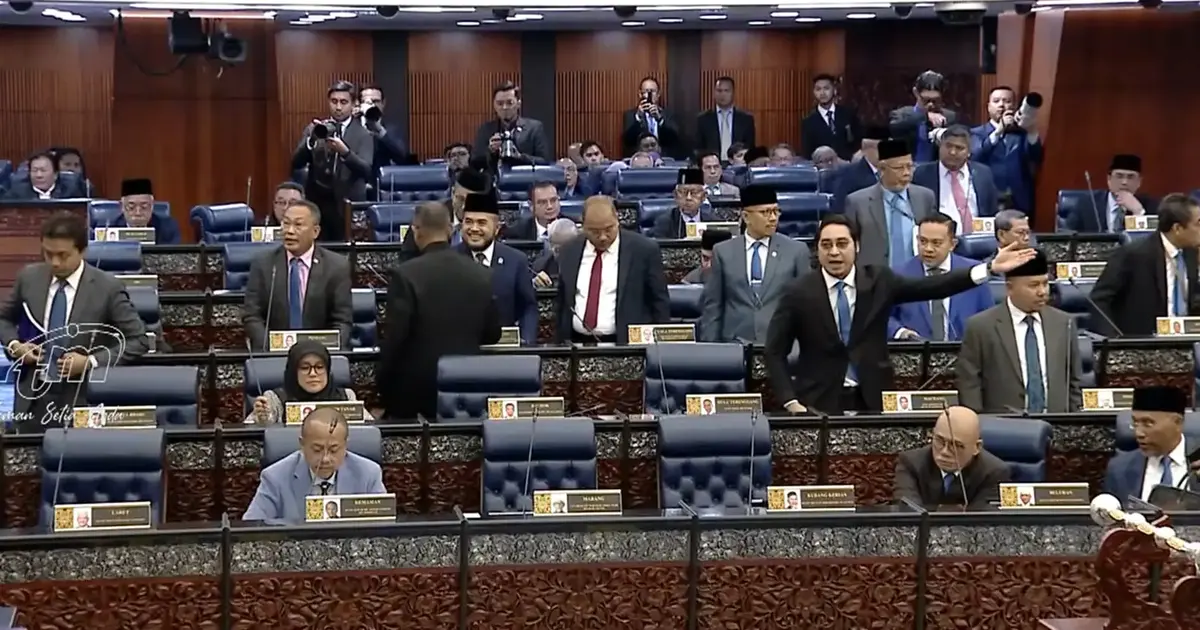
Communications Minister Fahmi Fadzil has publicly recognised Bersatu members of parliament for their willingness to engage with the Tabung Haji Royal Commission of Inquiry process, marking a notable divergence within the Perikatan Nasional coalition. The minister's remarks underscore deepening fractures within the opposition alliance, with competing approaches to accountability mechanisms increasingly visible across different component parties. Fahmi's acknowledgment of Bersatu's cooperation carries particular weight given the current political tensions surrounding the pilgrimage fund's governance and the broader credibility of institutional oversight in Malaysia.
The distinction Fahmi drew between Bersatu's attendance and the walkout orchestrated by other Perikatan Nasional members represents a significant public commentary on party discipline and political priorities within the opposition umbrella. While the Royal Commission has proceeded with its mandate to investigate the fund's operations, the fragmented response from opposition lawmakers signals internal disagreement about the strategic implications of participating versus boycotting such proceedings. This split reflects deeper ideological and tactical divisions that have been simmering beneath the surface of PN's coalition unity, particularly regarding how aggressively parties should challenge government-initiated accountability exercises.
Tabung Haji, formally known as the Pilgrims Management and Fund Board, has faced sustained scrutiny over management practices, investment decisions, and the adequacy of safeguards protecting the savings of nearly three million Malaysian pilgrims. The Royal Commission's establishment represented an official acknowledgment that governance questions warranted structured investigation, yet the process itself became contested political terrain. For Bersatu parliamentarians to maintain engagement with the RCI proceedings while coalition partners withdrew demonstrated a calculation that cooperation and scrutiny were not mutually exclusive strategies.
The attendance by Bersatu representatives provided the commission with direct testimony and input from opposition perspectives, ensuring that alternative viewpoints about the fund's administration received formal documentation and public airing. This approach contrasts with boycott strategies that aim to delegitimise proceedings by withholding opposition participation. Fahmi's commendation suggests that the government values the inclusion of opposition voices even when those voices are fundamentally critical, viewing the robustness of inquiry processes as enhanced rather than diminished by cross-party engagement.
For Malaysian observers tracking governance reform and institutional accountability, the Bersatu position illustrates a pragmatic recognition that being excluded from investigative processes forfeits opportunities to shape findings and recommendations. By participating, Bersatu MPs could ensure their concerns and interpretations became part of the official record, potentially influencing how the commission's eventual report characterises various management decisions and recommends future reforms. This participation strategy carries longer-term value if the RCI's recommendations eventually inform legislative changes or administrative reforms affecting the fund.
The Perikatan Nasional boycott reflects a different calculation rooted in opposition solidarity and scepticism about government-controlled processes. Some PN members likely viewed the RCI as a political initiative where participation would inadvertently legitimise conclusions reached through processes they distrusted. This defensive posture has historical precedent in Malaysian politics, where opposition parties have historically questioned the independence of government-appointed commissions. However, this stance risks surrendering influence over how inquiries characterise events and motives, leaving government-aligned voices to dominate proceedings unchallenged.
Fahmi's public recognition of Bersatu's stance may serve broader political purposes beyond simply acknowledging attendance. By highlighting Bersatu's cooperation, the communications minister creates differentiation within the opposition coalition, potentially signalling to voters that not all PN components approach governance issues identically. For Bersatu, which has undergone significant repositioning since its formation and breakaway from UMNO, such government acknowledgment might reinforce its positioning as a pragmatic political force willing to engage across partisan lines on matters affecting public institutions.
The episode also reflects the complex choreography of Malaysian parliamentary politics, where formal institutions like royal commissions operate against backdrops of coalition management, strategic positioning, and competing narratives about legitimacy and accountability. Opposition parties must navigate between maintaining internal coalition unity and pursuing individual party interests, between principled boycotts and pragmatic engagement. Bersatu's choice to participate suggests calculations about long-term party advantage outweighing short-term coalition solidarity on this particular issue.
Tabung Haji's governance challenges have affected working-class and middle-class Malaysians dependent on the fund for retirement savings and pilgrimage financing, making the inquiry's outcomes potentially consequential for these constituencies. Political parties recognising this significance face pressure to demonstrate serious engagement with reform possibilities. Bersatu's participation allowed the party to publicly position itself as concerned with protecting pilgrims' interests, a framing that could resonate with their voter base even while parts of the opposition questioned the legitimacy of the entire RCI process.
The divergent responses from within Perikatan Nasional ultimately highlight that coalition politics in Malaysia remains elastic and contested, with constituent parties maintaining substantial autonomy in determining their positions on significant issues. Fahmi's commendation reflects government satisfaction with the inclusivity of the inquiry process, while implicitly acknowledging that opposition engagement strengthens rather than compromises the legitimacy of official investigations. As the Tabung Haji matter progresses toward eventual commission findings and recommendations, the varying degrees of opposition party engagement will likely influence how those findings are received across different political constituencies and voter communities.

