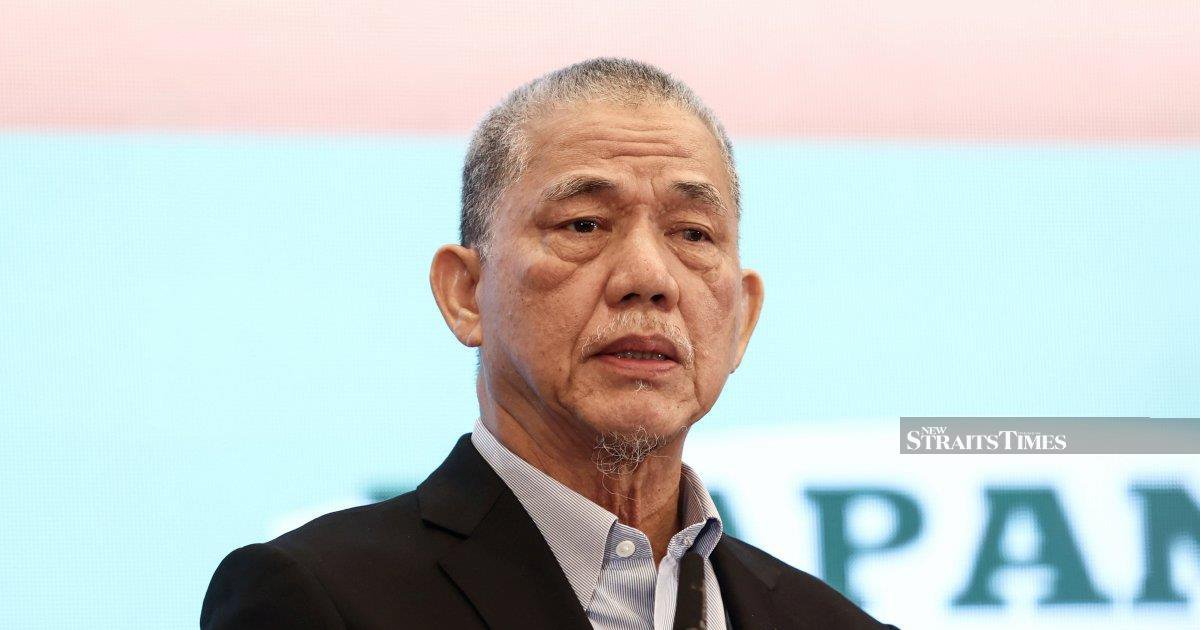
Deputy Prime Minister Datuk Seri Fadillah Yusof is making steady progress in his recuperation after undergoing a coronary artery bypass grafting procedure at Kuala Lumpur's National Heart Institute on August 12. The surgical intervention, aimed at restoring proper blood flow to his heart, has proceeded without complications, according to medical updates from the cardiac care facility.
The National Heart Institute, one of Southeast Asia's leading cardiac centres, specialises in complex coronary interventions and has handled numerous high-profile cases across the region. Coronary artery bypass grafting represents a significant surgical undertaking, involving the creation of alternative blood vessel pathways around narrowed or blocked coronary arteries. The procedure requires substantial recovery time and close medical monitoring in the immediate post-operative period.
Fadillah's health situation brings into sharp focus the cardiovascular health challenges affecting senior political figures in Malaysia and the broader region. Coronary artery disease remains a leading cause of mortality globally, and even individuals in positions of national leadership are not immune to its effects. The Deputy Prime Minister's case underscores the importance of comprehensive health screening and proactive medical intervention among high-risk populations.
The timing of the surgery during the mid-August period coincided with Malaysia's recovery phase from monsoon season weather patterns, a period when the nation's political and administrative machinery continues normal operations with necessary adjustments made for the absence of senior leaders undergoing medical treatment. The government's continuity protocols ensured that ministerial responsibilities were appropriately delegated during Fadillah's hospitalization and early recovery phase.
Coronary artery bypass grafting has demonstrated efficacy rates exceeding 90 percent for symptom relief and improved quality of life in appropriate patient populations. Recovery trajectories vary significantly based on individual health profiles, age, and pre-existing medical conditions. The typical post-operative recovery spans several weeks, with gradual resumption of physical activity under medical supervision. Cardiac rehabilitation programmes play a crucial role in restoring functional capacity and preventing complications during this critical period.
Fadillah's recovery represents not merely a personal health matter but also a question of governmental continuity and public confidence in institutional leadership. The Malaysian government, structured with clear lines of succession and delegation protocols, ensures that administrative functions continue uninterrupted during periods when senior officials require extended medical leave. The clarity of these arrangements helps maintain investor confidence and policy momentum during transitions of executive responsibility.
The medical team at the National Heart Institute would likely be implementing comprehensive post-operative protocols, including anticoagulation therapy to prevent thrombosis, cardiac medications to optimise heart function, physiotherapy to restore strength and mobility, and psychological support to address the emotional dimensions of major cardiac surgery. These multimodal approaches significantly improve outcomes and facilitate faster functional recovery compared to surgical intervention alone.
Fadillah's position as Deputy Prime Minister places him in a high-stress governmental role involving substantial decision-making responsibilities and demanding schedules. Returning to full official duties following cardiac surgery typically requires a phased approach, with initial resumption of light administrative work before progression to the full rigours of high-level governance. Medical teams generally recommend several months of graduated activity increases before unrestricted return to demanding professional roles.
The incident also highlights Malaysia's healthcare infrastructure capabilities, particularly in advanced cardiology. The National Heart Institute's reputation for surgical excellence and post-operative care management reflects substantial investment in medical infrastructure and human capital development. Regional policymakers increasingly recognise that world-class healthcare facilities enhance a country's competitive positioning and bolster confidence among both domestic and international stakeholders.
Public updates regarding Fadillah's recovery contribute to transparency in government and help manage public expectations about his return to full duties. While the Deputy Prime Minister's health remains a personal matter, the intersection of his role in national governance creates legitimate public interest in his wellbeing and recovery timeline. Clear, factual communication from official sources helps counter speculation and maintains public confidence in institutional stability.
Cardiovascular diseases affecting senior leaders across Southeast Asia have prompted increasing discussion about preventive health strategies, regular screening protocols, and lifestyle modifications among high-risk populations. Fadillah's case, while specific to his circumstances, aligns with broader regional health trends affecting political and business leadership cohorts aged 60 and above. Early detection and intervention in coronary artery disease can significantly alter health trajectories and quality of life outcomes.
Looking ahead, the Deputy Prime Minister's complete recovery and return to full official responsibilities will depend on continued progress through the rehabilitation phase and clearance from his medical team. The Malaysian government's ability to manage this transition smoothly while maintaining governance effectiveness will be monitored closely by political observers and investors alike. Successful navigation of executive health challenges, coupled with transparent communication, reinforces institutional confidence and demonstrates the robustness of governmental succession mechanisms.

